In the quiet moments In an age of constant acceleration, “arrival” has become easier than ever. Distances between cities are compressed, and the flow of information rarely pauses. Yet “dwelling,” as a slower way of staying—one that is bound up with space, time, and perception—may be all the more worth revisiting at this moment.
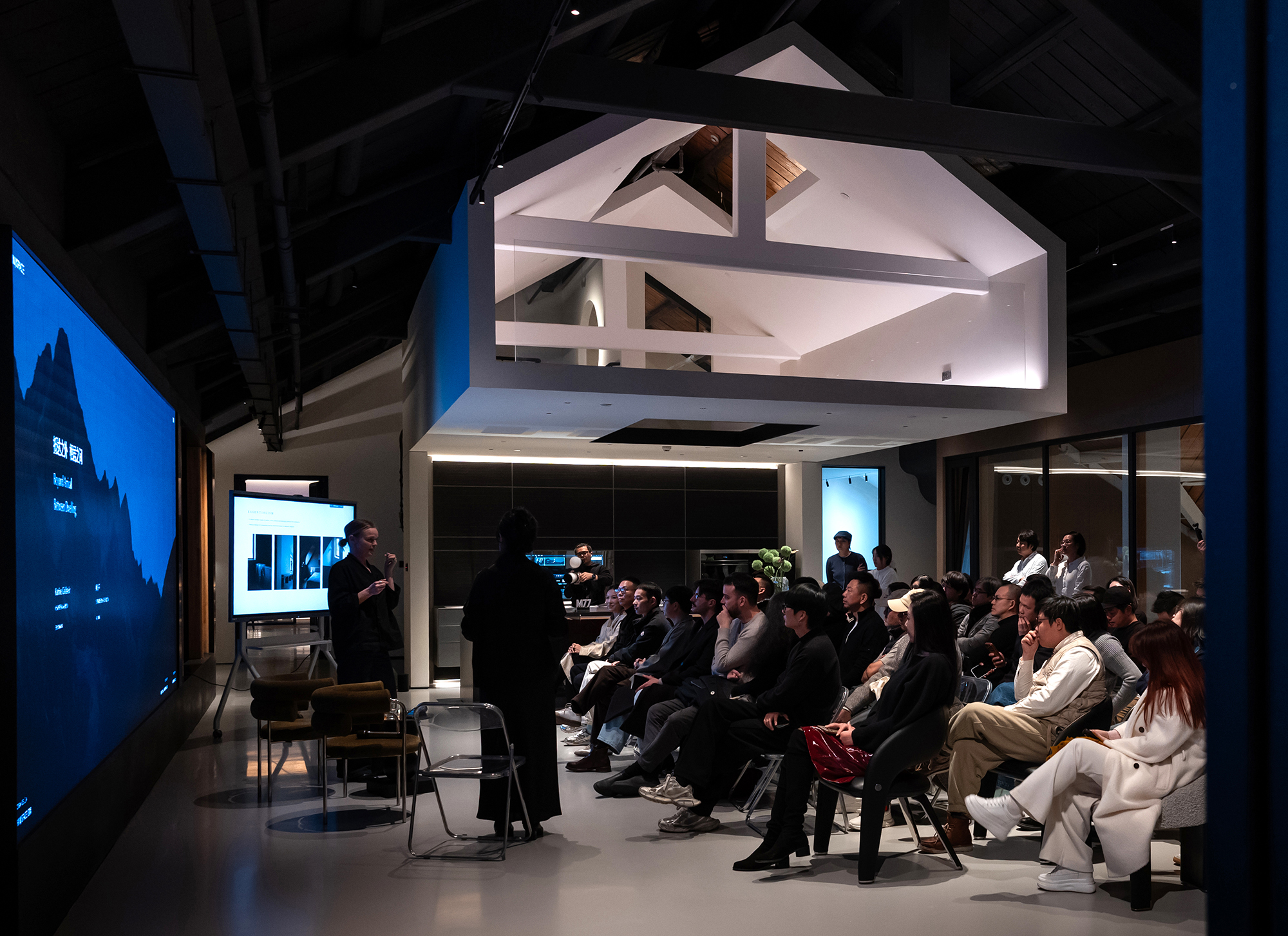
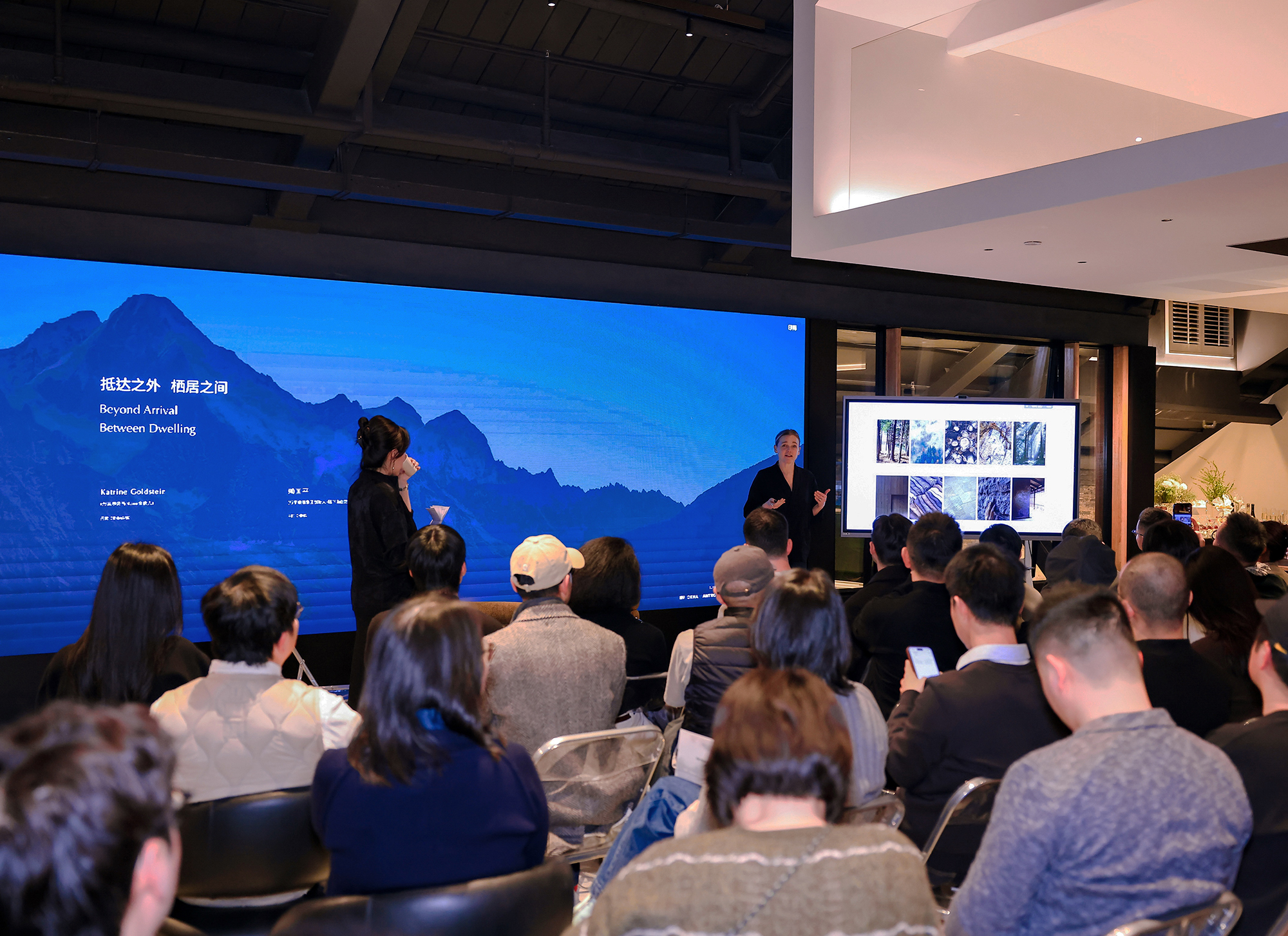
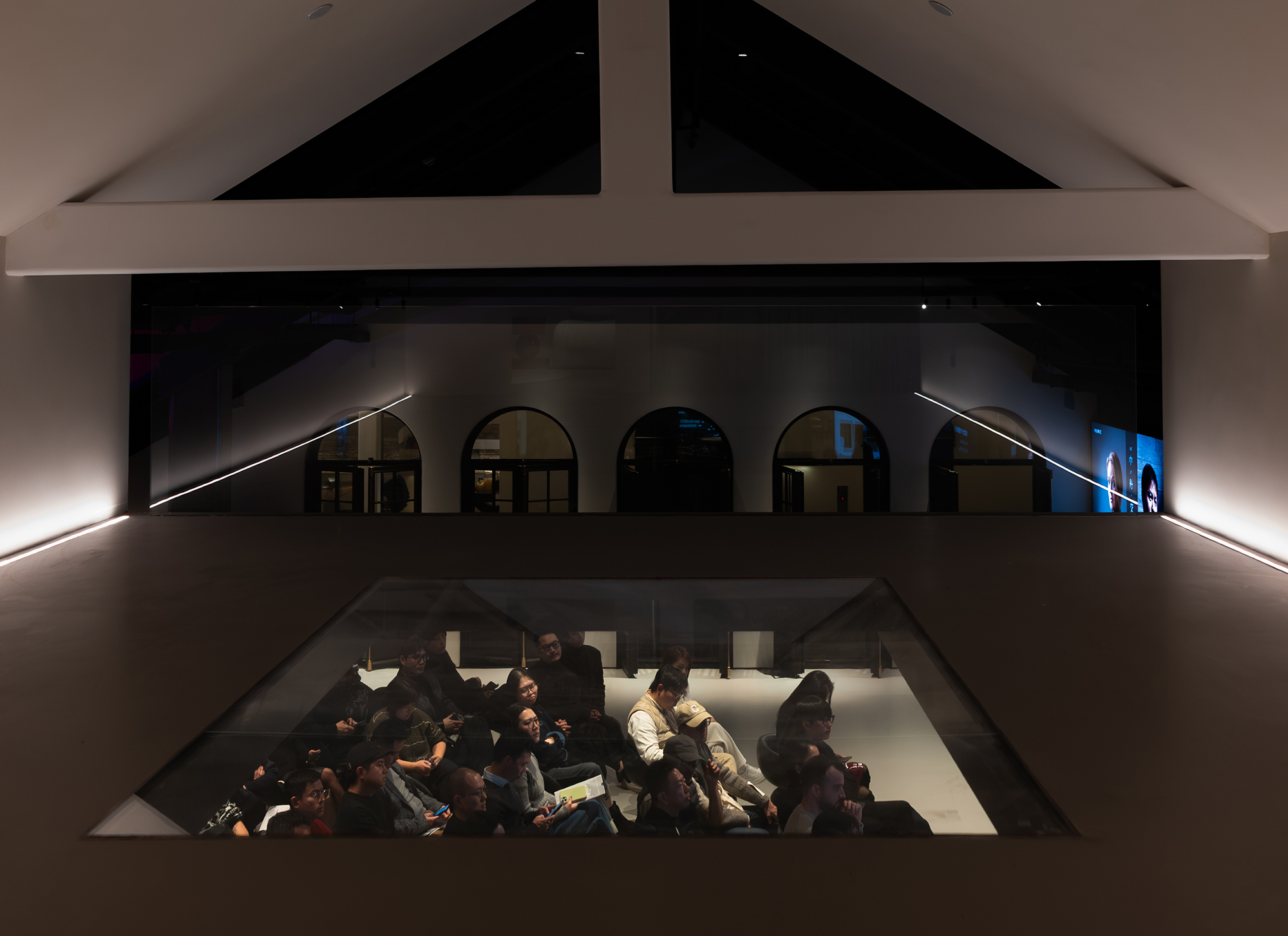
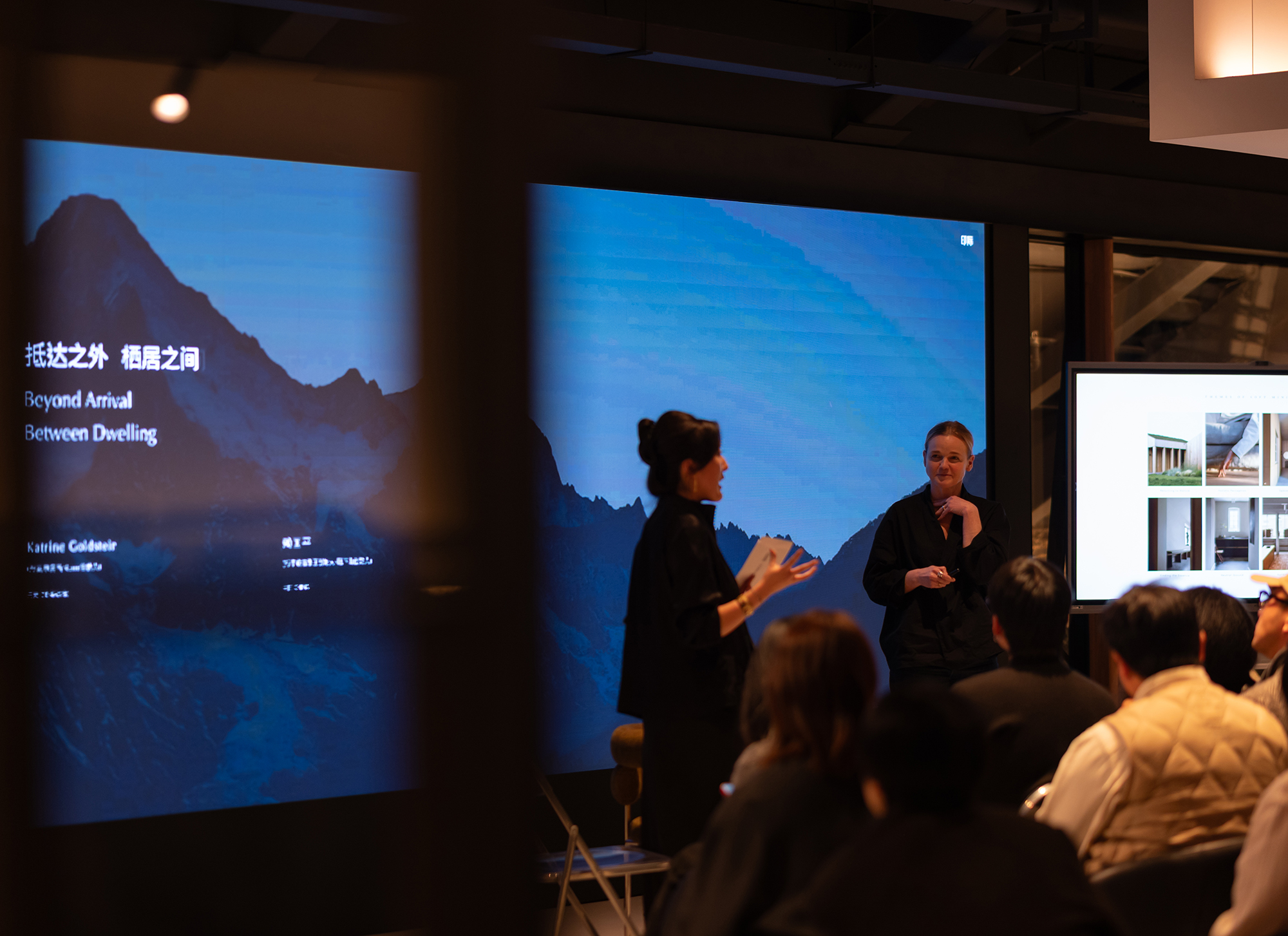
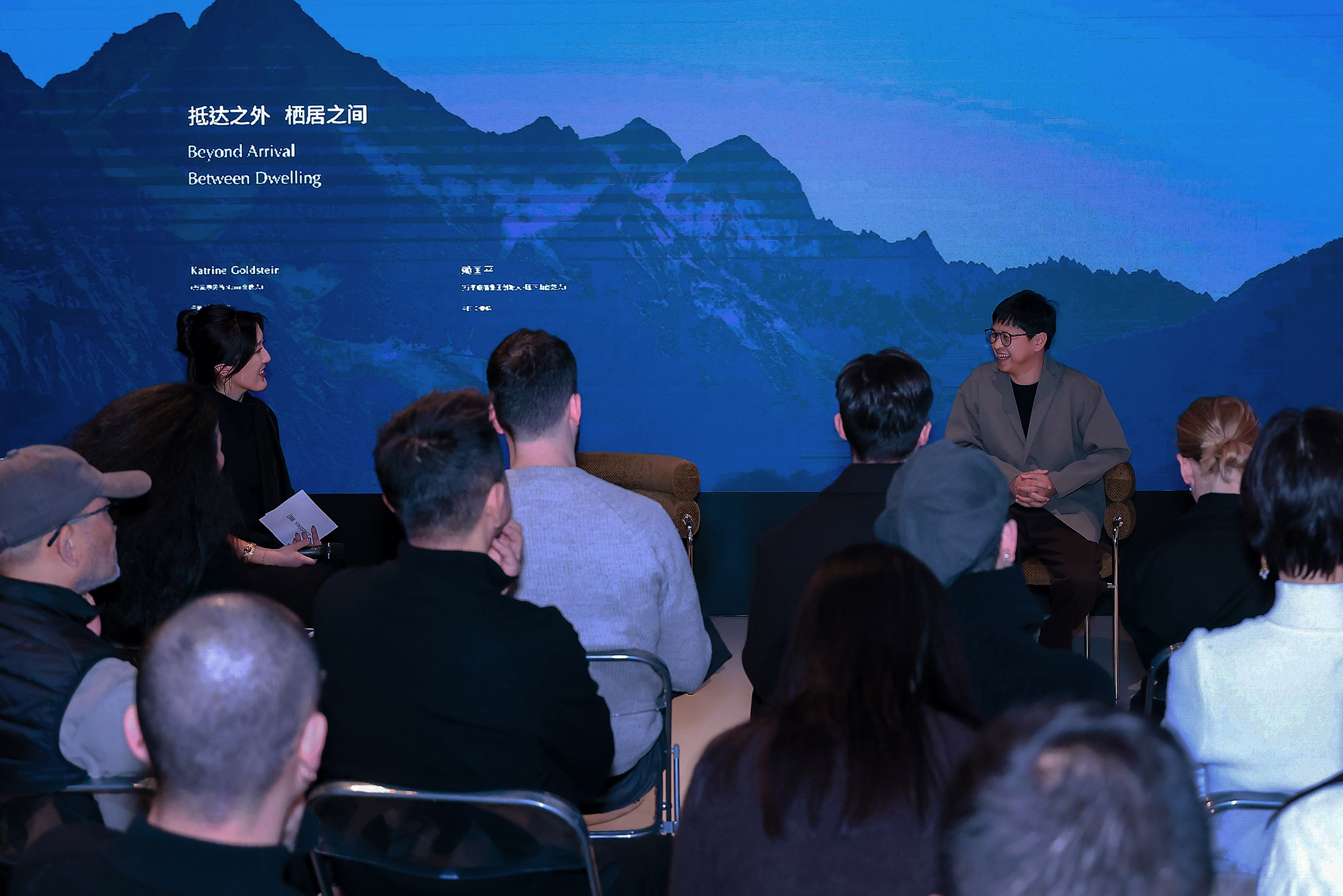
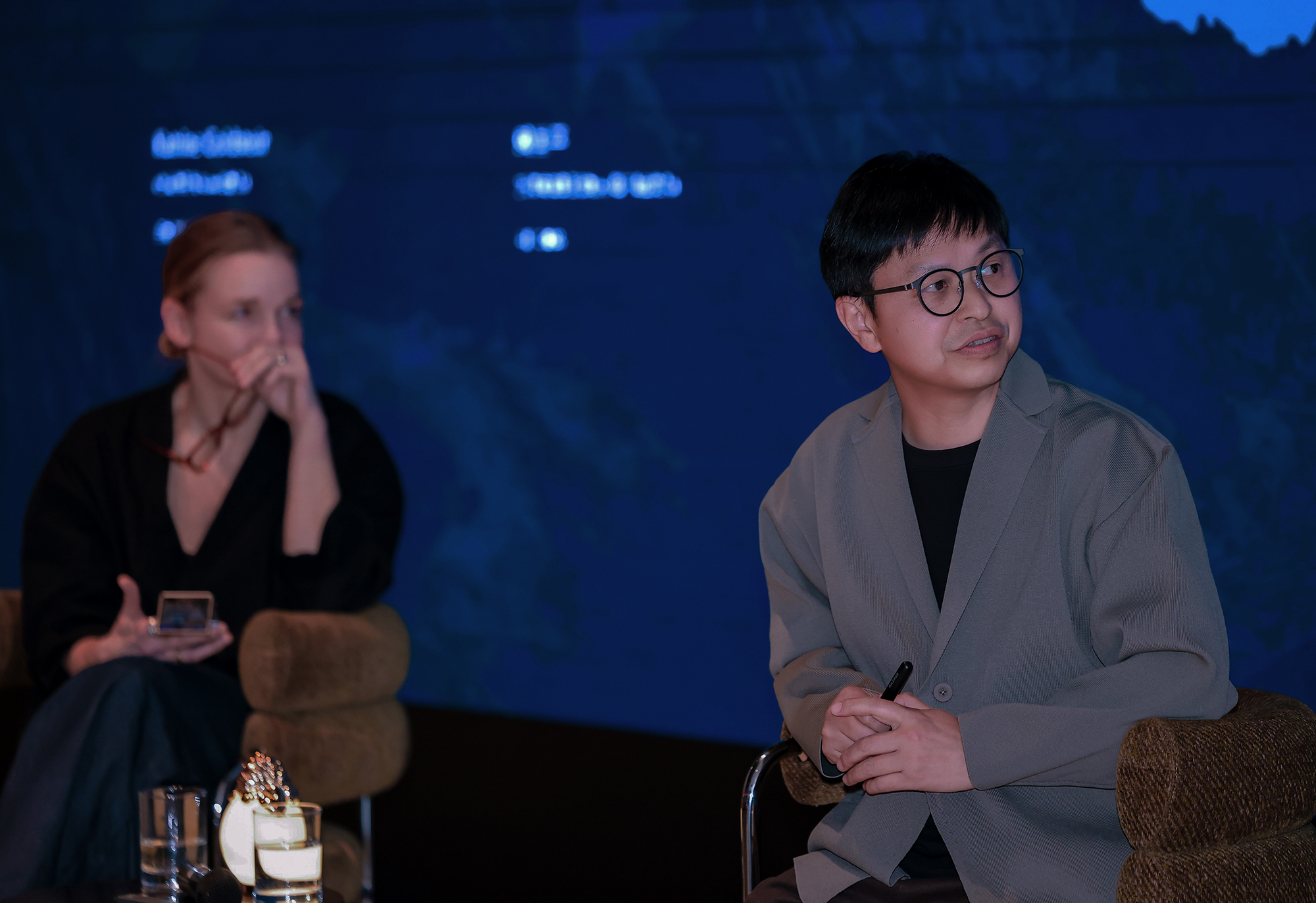
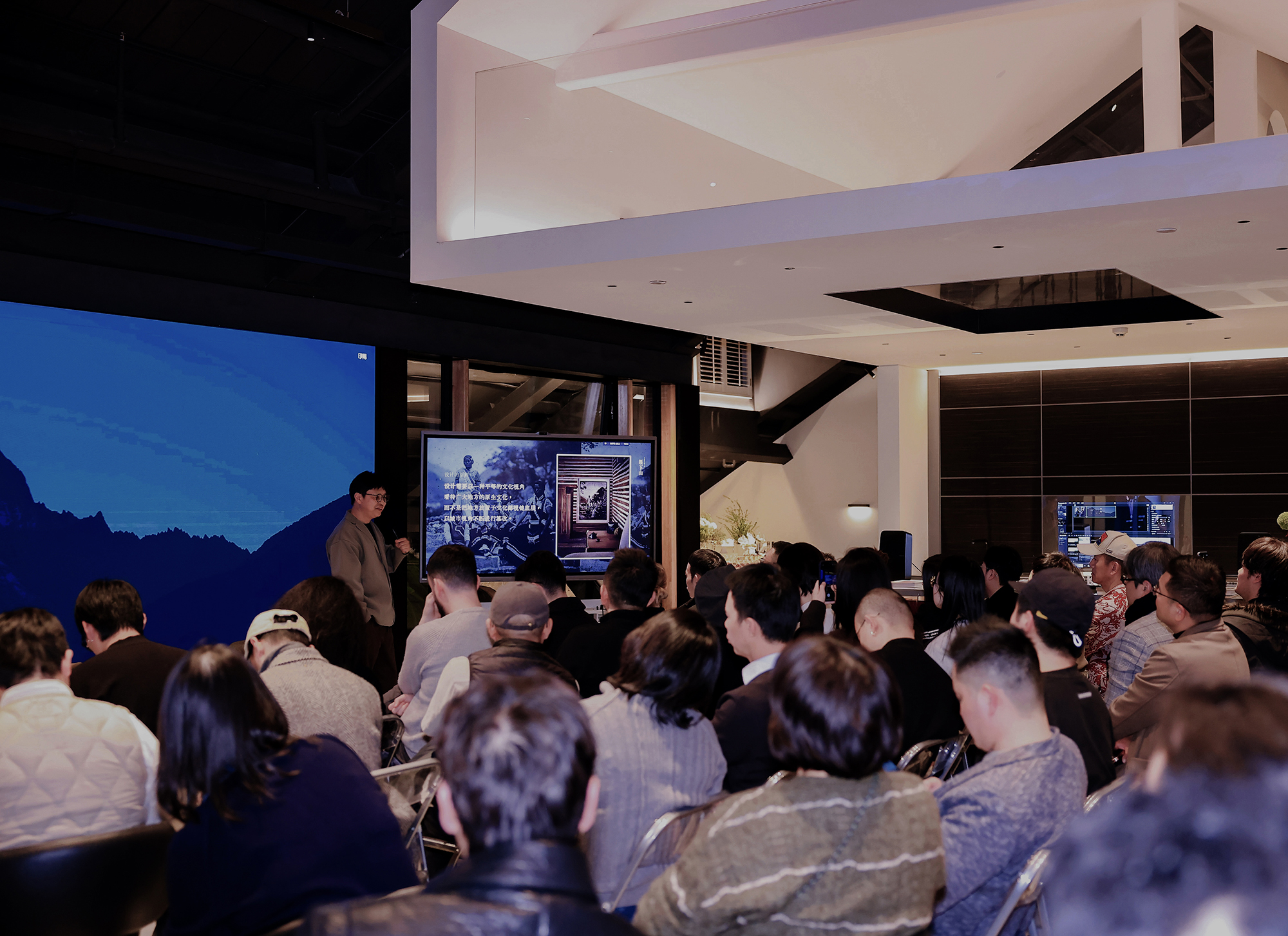
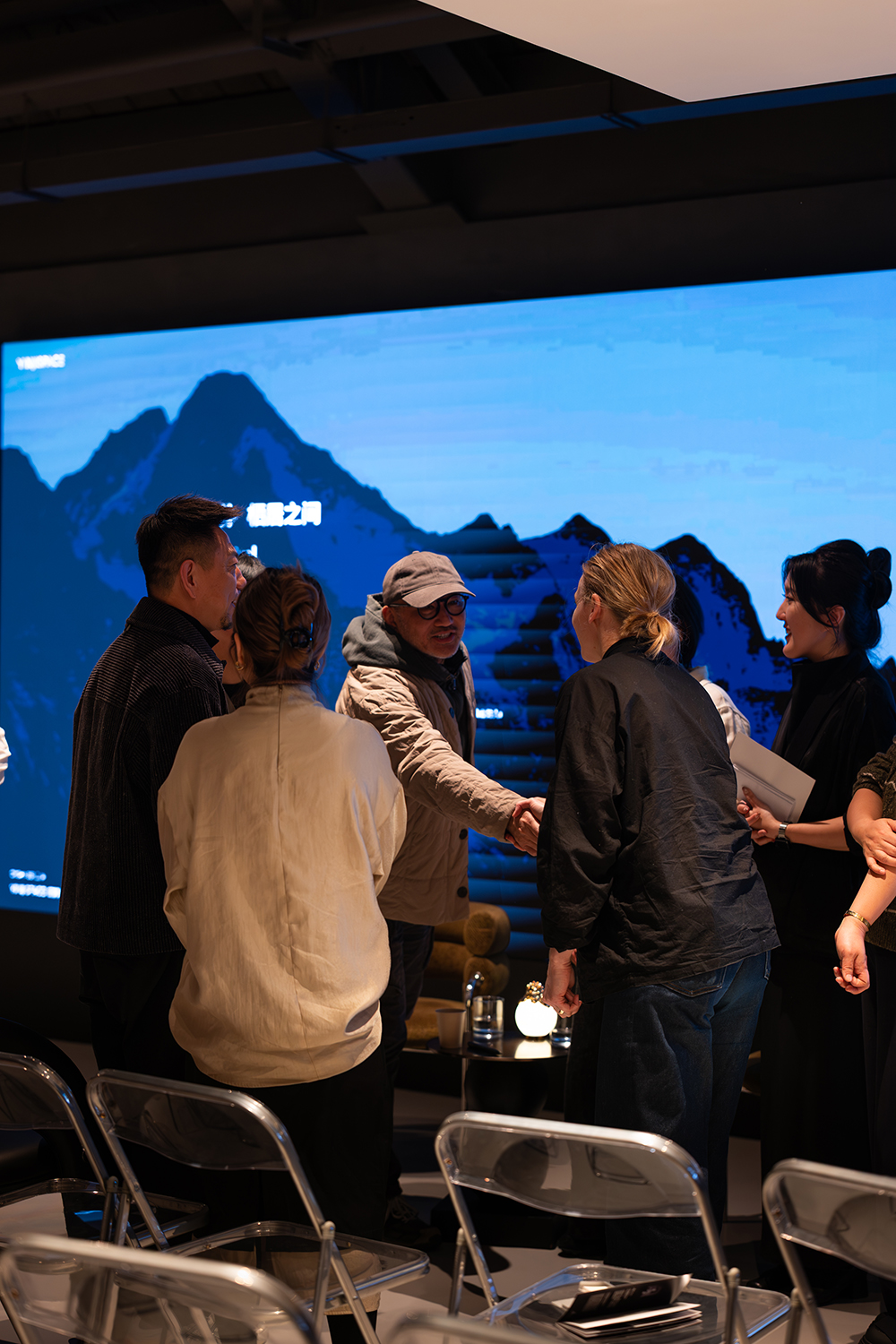
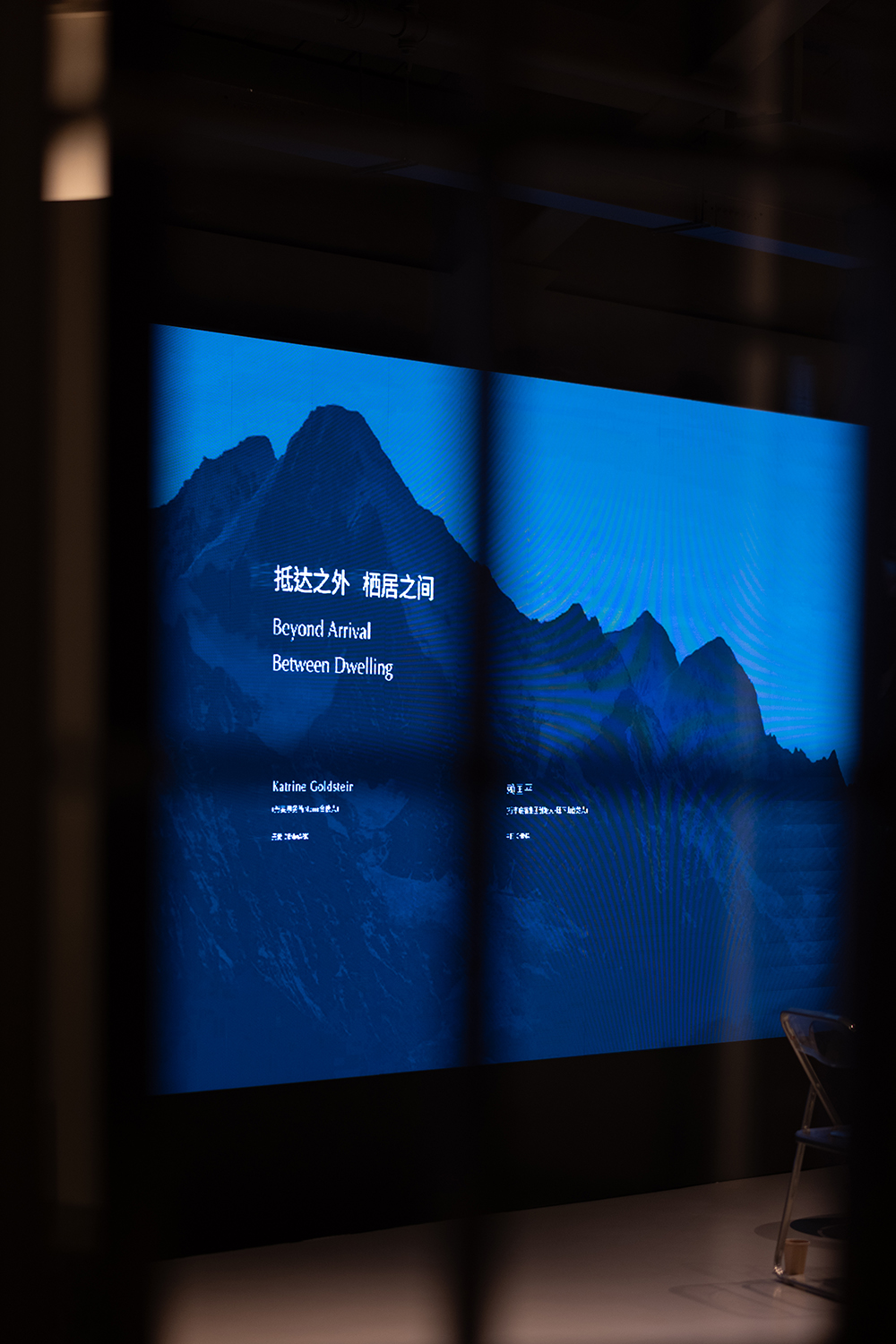
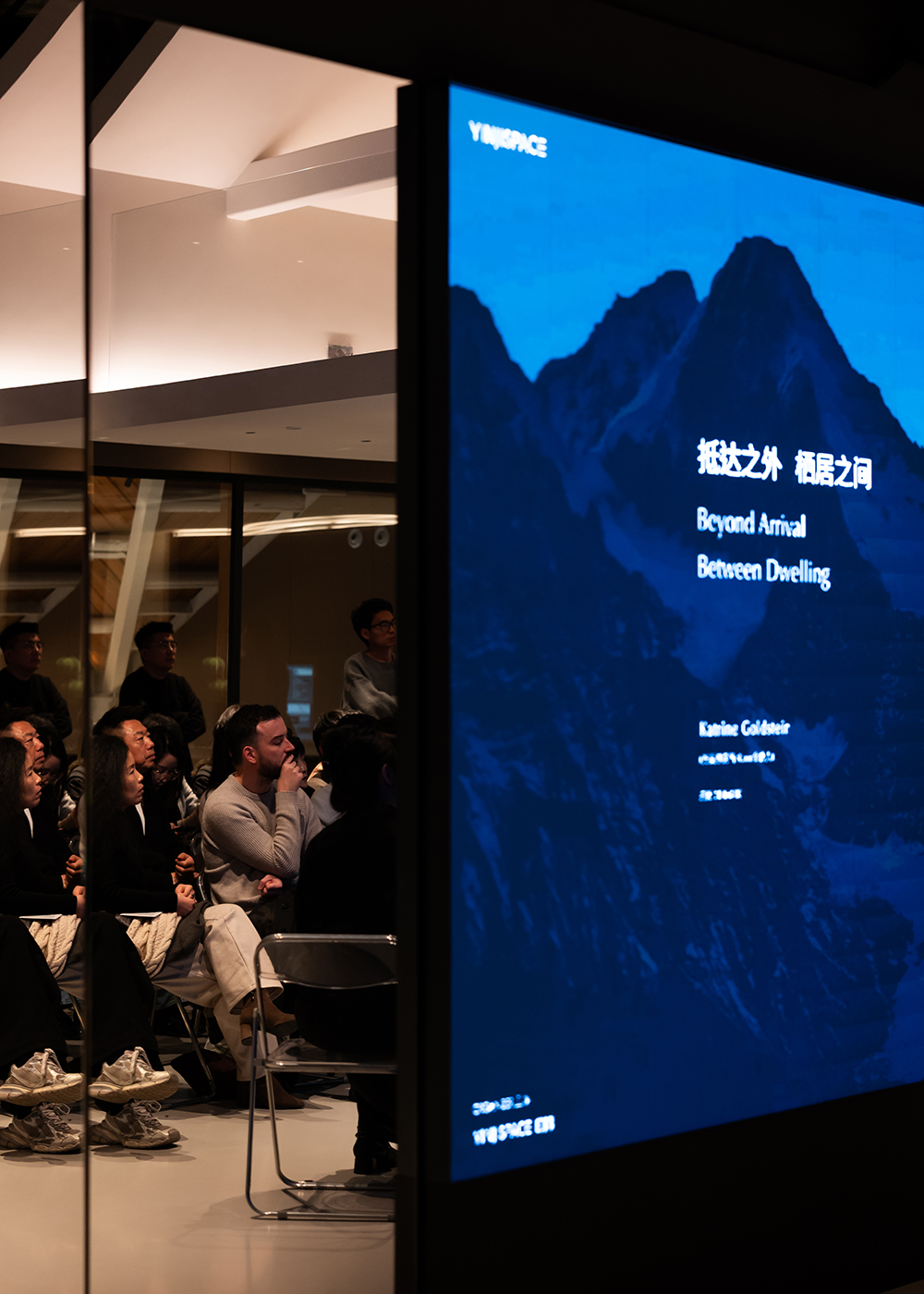
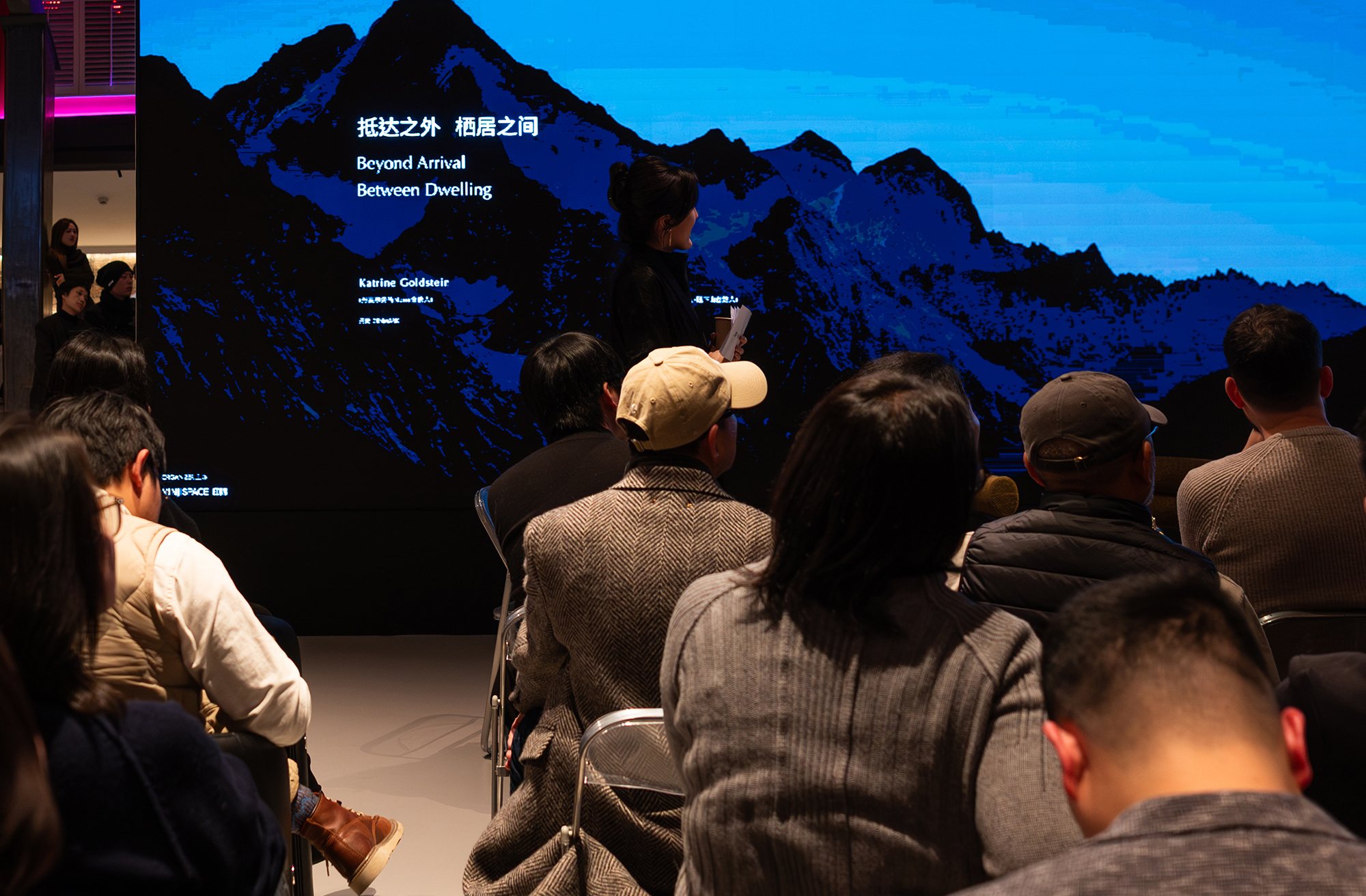
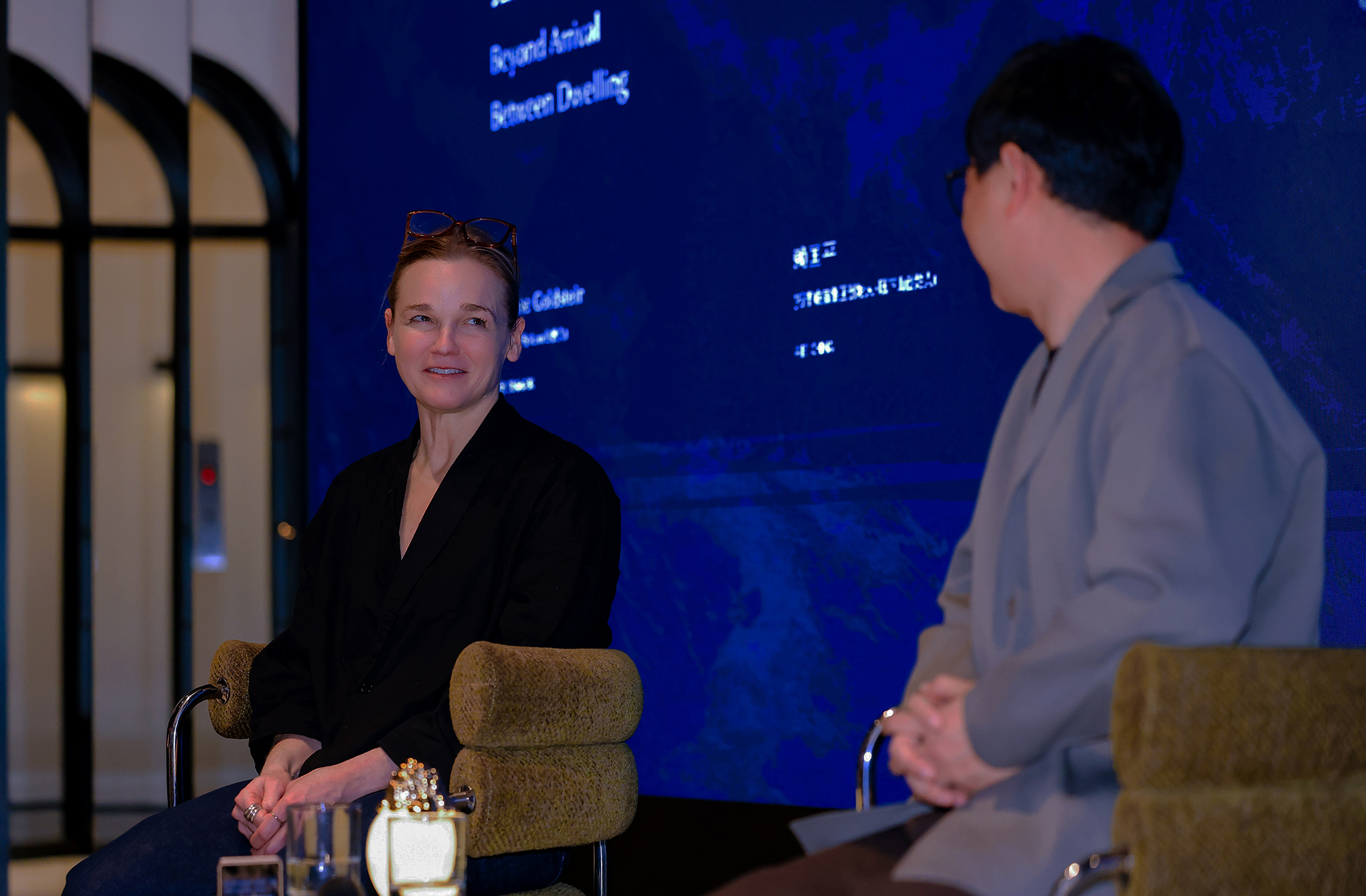
Beyond Arrival, Between Dwelling was YINJISPACE’s first public talk of 2026, held in Shanghai. The event brought together two guests whose practices emerge from distinct cultural contexts: Katrine Goldstein, CEO and Partner of Norm Architects in Copenhagen, and Mr. Lai Guoping, founder of SUNYATA.Spanning geographies, the conversation pointed toward a shared concern—how space can be truly experienced and inhabited in contemporary life. When design moves beyond questions of form and style, how might it respond to bodily perception, the textures of local culture, and the continuity of time as it unfolds through architecture and the everyday.
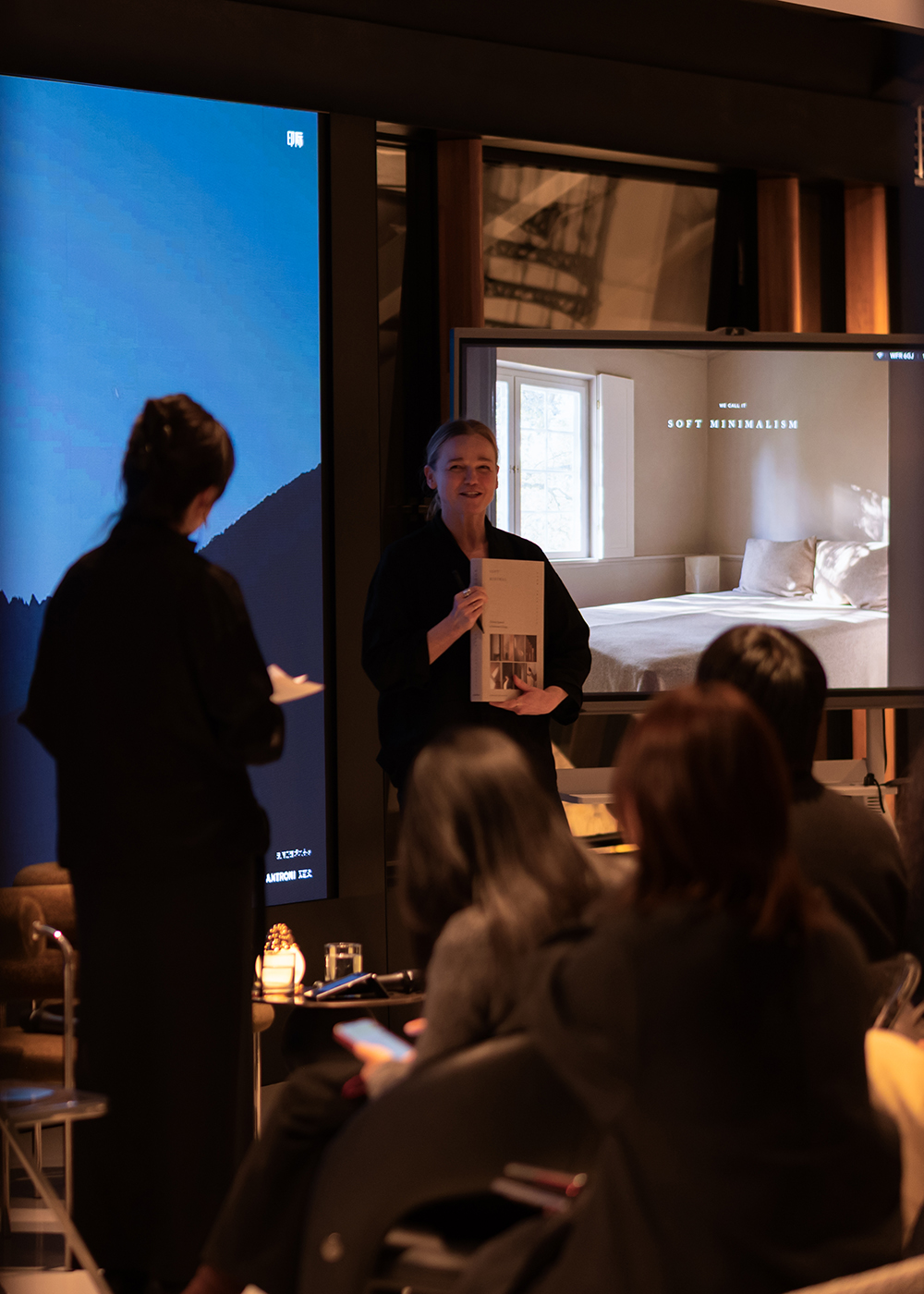
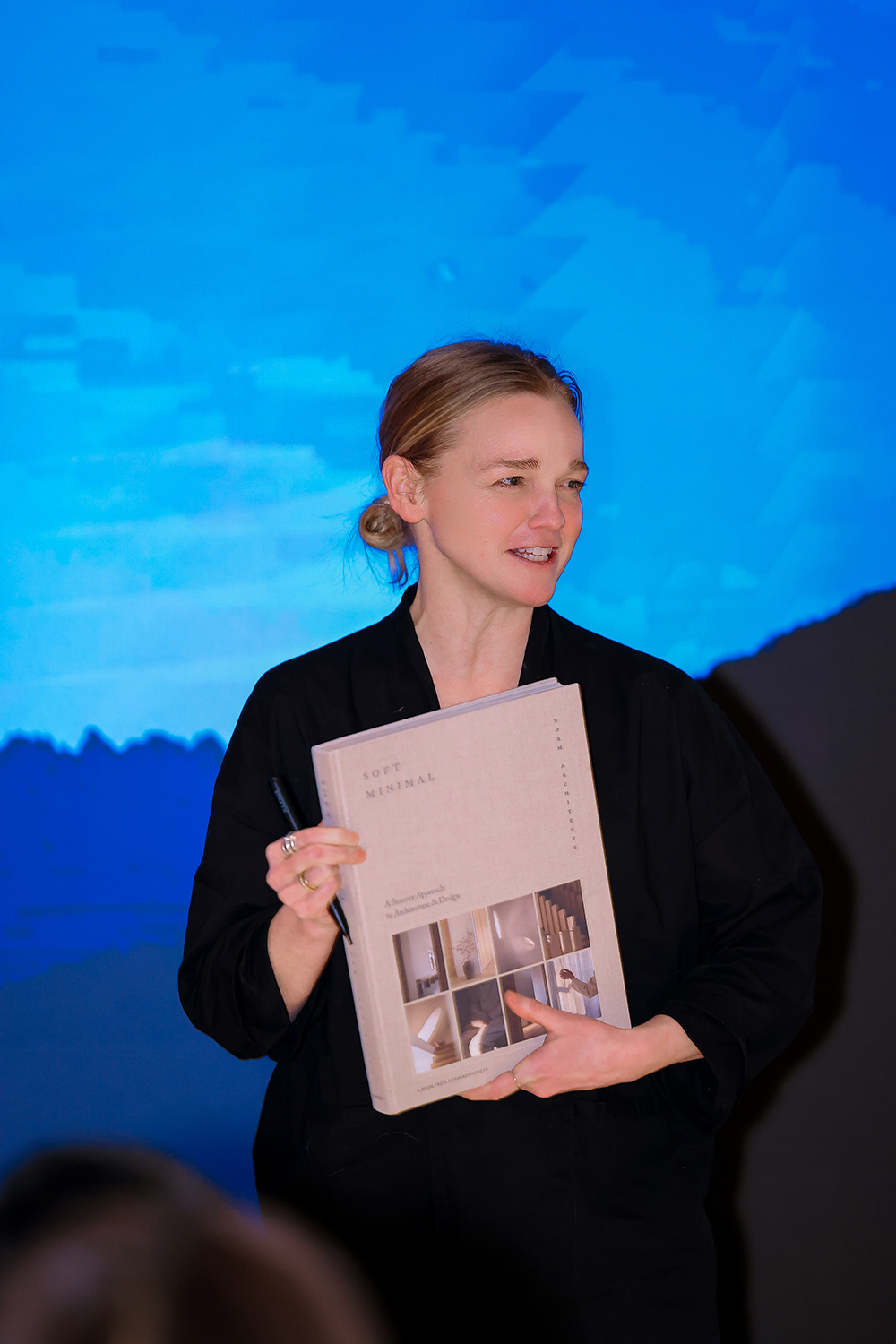
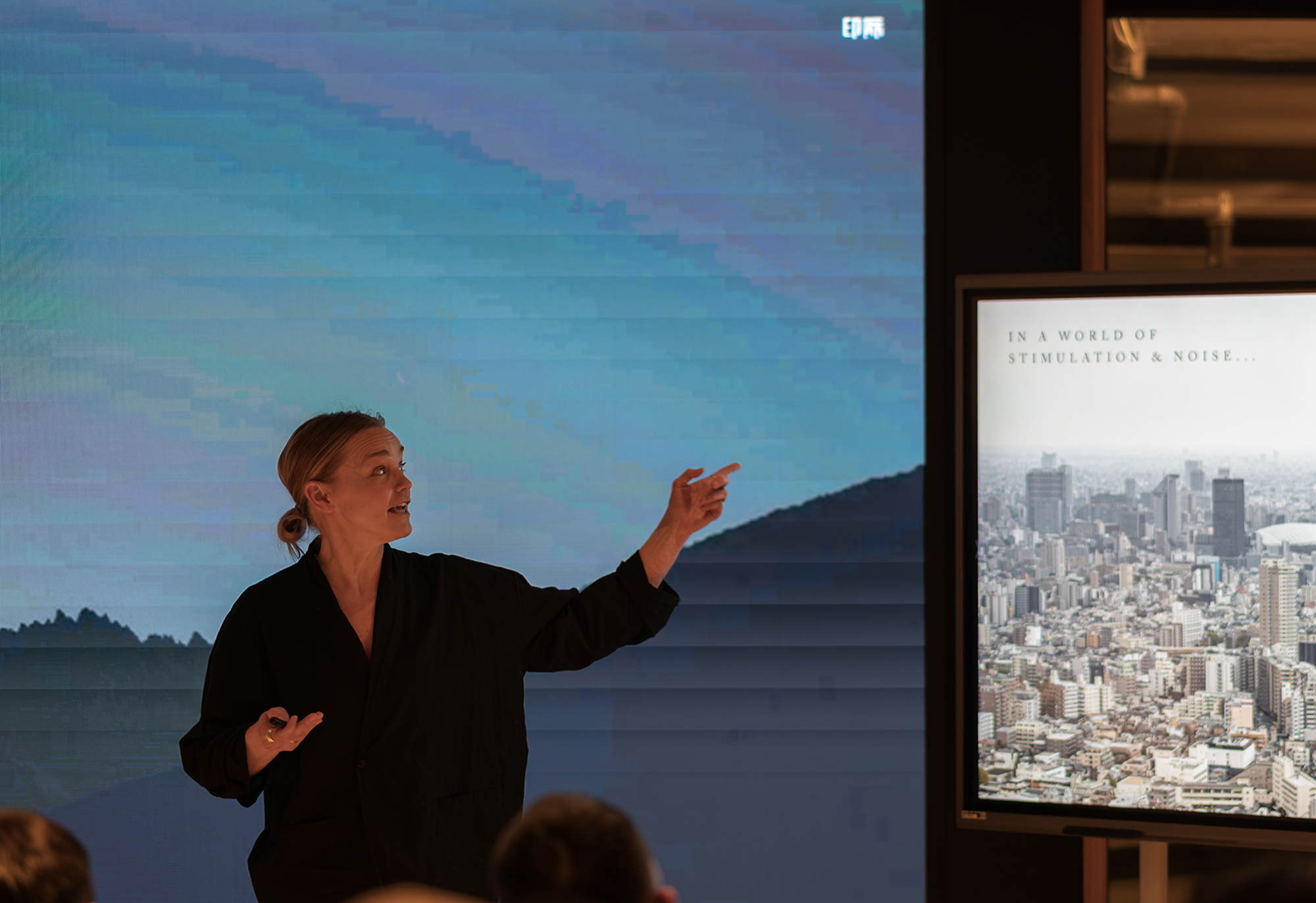
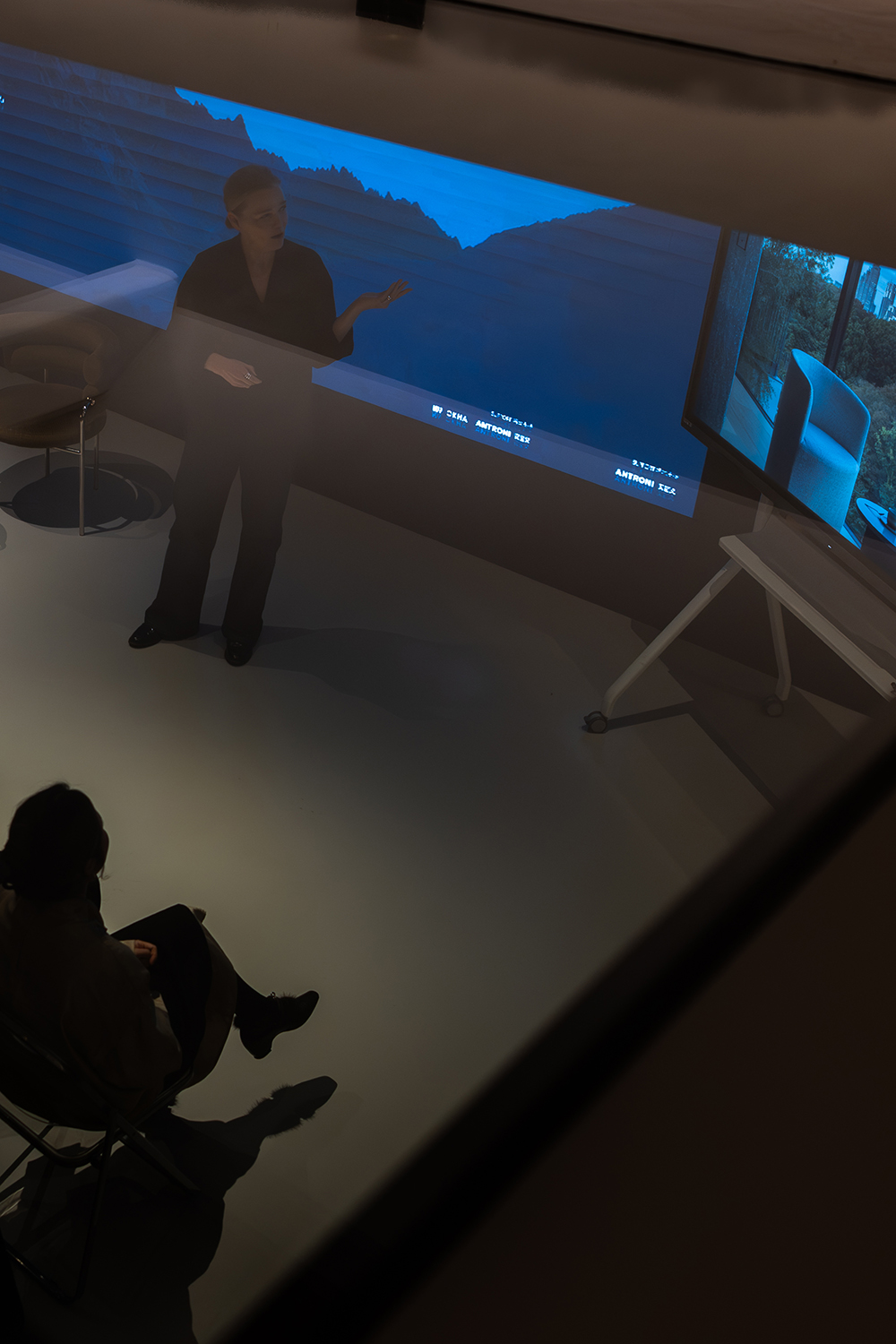
During the evening, Katrine spoke through the lens of Norm Architects’ fifteen years of practice, introducing the studio’s design approach—Soft Minimalism. She described it as a way of reawakening the senses: in an age shaped by noise and excess information, it seeks to restore a quieter, slower rhythm of space.For her, architecture is never only a visual composition. It must remain connected to bodily experience and emotional states. Design, in this sense, responds to deeper layers of perception—touch, scent, sound—allowing space to become something that can truly be felt, inhabited, and stayed with.
Katrine further shared that the core of Norm Architects’ work lies in bringing the built environment back into the realm of the senses—what she described as a process of “resensualizing.” She emphasized that this is not a concept invented in isolation, but one grounded in the intellectual traditions of the past century, shaped by philosophy, anthropology, psychology, and architectural thought. As architects, what they do is simply to stand on the shoulders of these masters, gradually developing a method of their own.She framed Norm Architects’ design language through eight key words: nature, perception, scale, light and shadow, materiality, narrative, place, and time.


On a methodological level, she further unfolded several key dimensions.Nature, she explained, is never referenced as a decorative image, but brought back into architecture through material choices and spatial transitions. Taking a project in Canada as an example, the studio did not treat the building as an object detached from its surroundings. Instead, they drew cues from the tones of the forest, the textures of tree trunks, and the way light moves through the landscape—allowing the atmosphere of the site to slowly seep into the interior.Scale was equally essential. The proportions of space shape whether one can feel sheltered and at ease. Spaces that remain close to the human body, she noted, are often those that invite quietness.Light and shadow, in turn, become a gentle architectural tool. People are naturally drawn to the softness of dawn and dusk, and design must respond differently across climates: in the Nordic context, light is carefully captured, while in hotter regions it is filtered and shaded, transforming intense sunlight into a more inhabitable glow.
In the closing of her talk, Katrine placed the emphasis on time. For her, the endurance of design does not come only from form, but from the way materials continue through the years. Space does not need to resist traces of use; on the contrary, the aging of materials and the rhythms of everyday life become part of the process through which architecture and living quietly settle together.She ended with a film from the studio’s project Heatherhill Beach House—a home situated between the wild coastline and the Danish tradition of the summerhouse. In the imagery, the architecture does not seek to dominate the landscape. Instead, through the warmth of wood, the restraint of scale, and the softening of light, it keeps pace with the surrounding raw nature.In such a context, dwelling is not an instant arrival, but a state that can only be slowly affirmed by time.

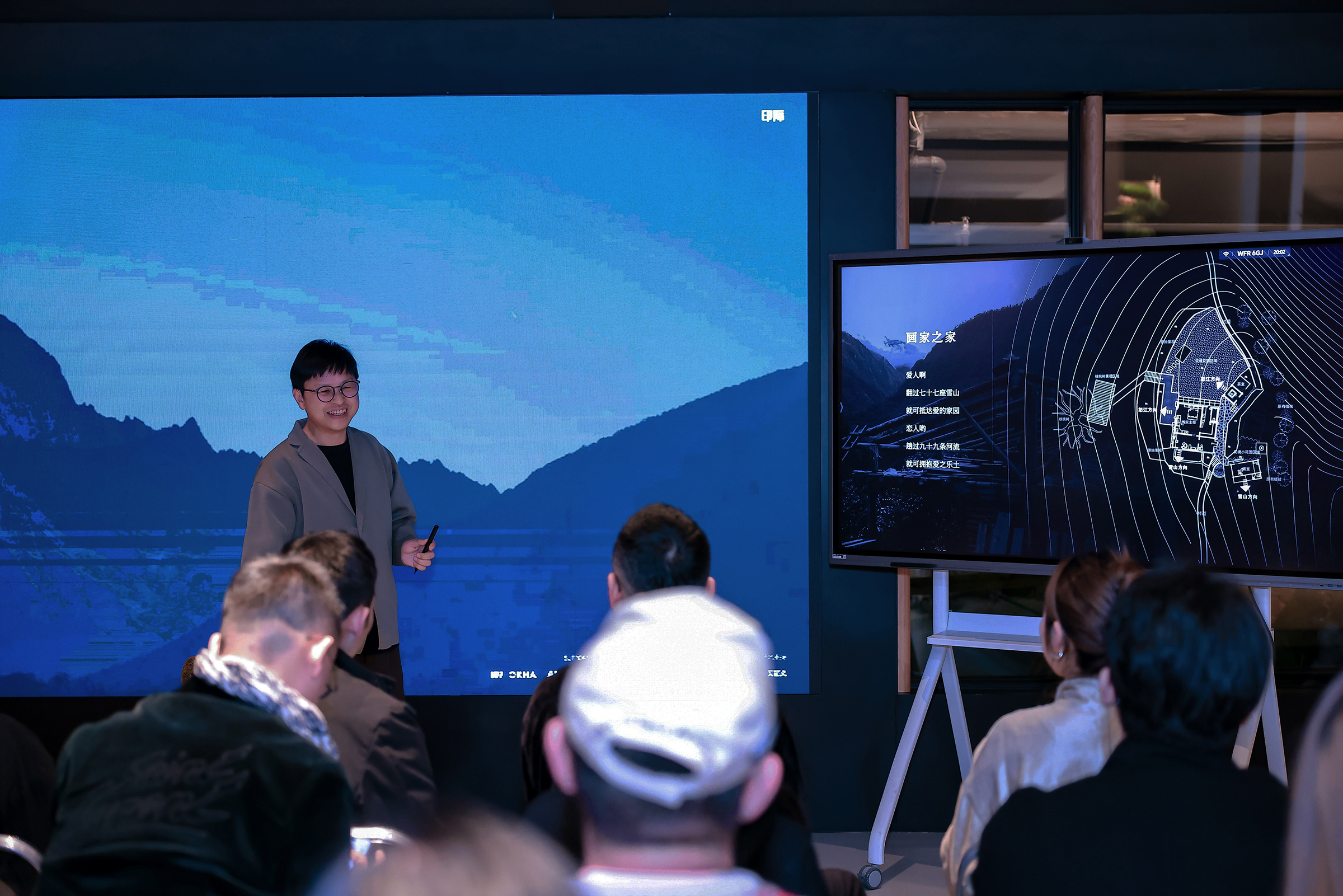
In the case of Wuli Village, the team’s most important work was not transformation, but understanding. They spent extensive time researching the region’s geography, ethnic communities, religious practices, crafts, and building traditions—seeking to develop a way of seeing from within the place itself, rather than looking down upon the countryside through an urban lens.Lai emphasized that design begins with cultural humility. It is not about replacing an existing way of life with a supposedly “better” one, but about finding an appropriate scale of intervention through respect—allowing renewal to become a form of continuity, rather than an act of erasure.
In Wuli Village, service cannot be “instant,” circulation is not designed for “efficiency,” and many spaces still retain the slow order of traditional architecture. Lai Guoping does not shy away from the inconveniences that come with such choices. In his view, dwelling is never the outcome of efficiency. The real question is: why do people travel to places like this in the first place? If every destination is eventually reshaped into yet another familiar version of the city, then the meaning of travel is gradually exhausted.When asked whether upholding this practice of slowness has come at a great cost, his answer was strikingly direct: it is not a cost, but a form of compensation — a counterbalance to an age of excessive efficiency and mechanical progress. The value of Wuli Village lies precisely in the fact that it still asks people to give their time, to truly arrive, and to truly stay.
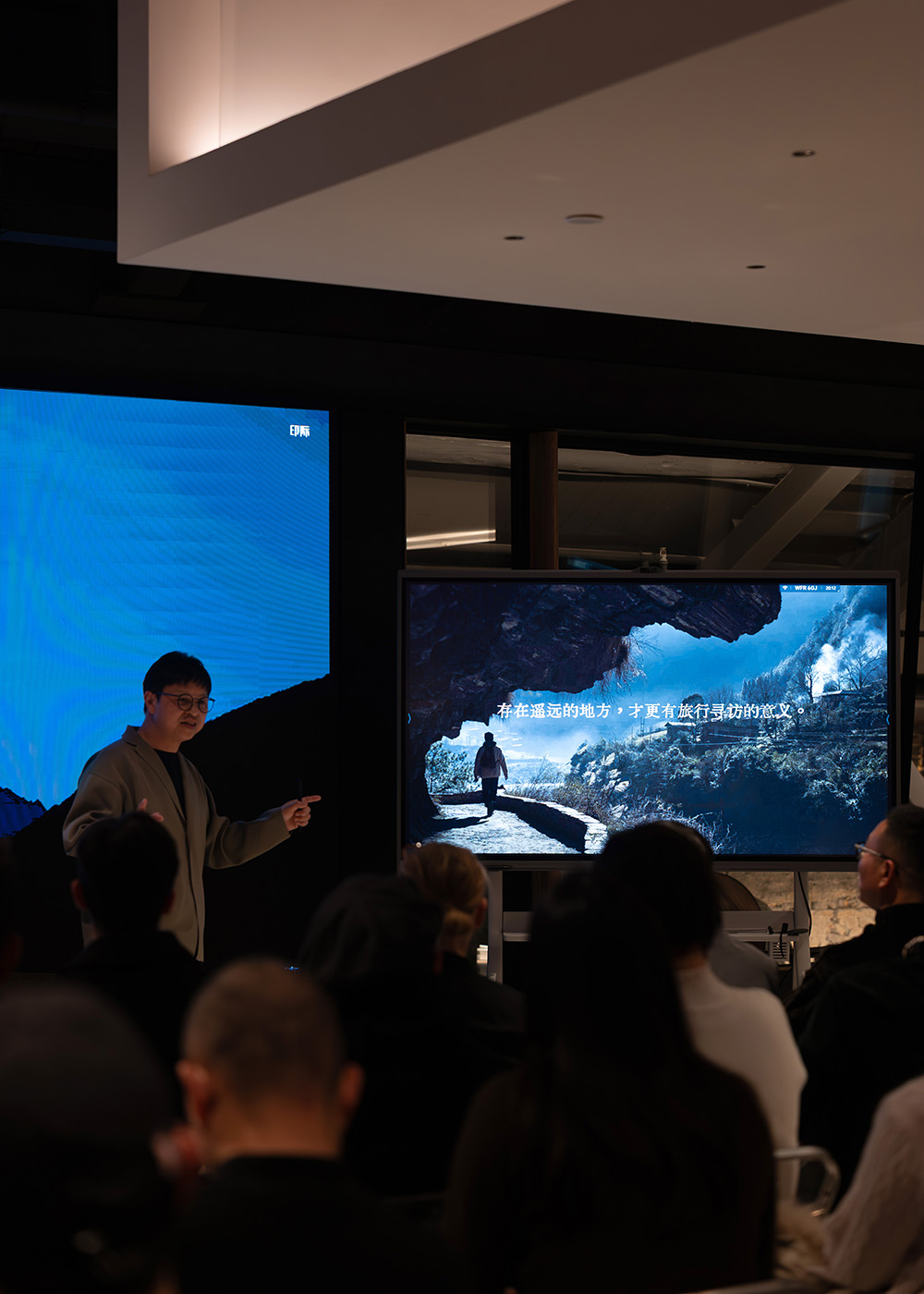
In the closing of his talk, Lai Guoping also chose to end with a short film. The camera moved through the long rainy season and drifting mist of the Nujiang Gorge, finally arriving at the village’s timber houses and the faint glow of the fire pit. In that moment, “the distant” was no longer merely an idea, but something unmistakably real — a geographical distance, and a way of life that can only be reached through time.
In the case of Wuli Village, the team’s most important work was not transformation, but understanding. They spent extensive time researching the region’s geography, ethnic communities, religious practices, crafts, and building traditions—seeking to develop a way of seeing from within the place itself, rather than looking down upon the countryside through an urban lens.Lai emphasized that design begins with cultural humility. It is not about replacing an existing way of life with a supposedly “better” one, but about finding an appropriate scale of intervention through respect—allowing renewal to become a form of continuity, rather than an act of erasure.
In Wuli Village, service cannot be “instant,” circulation is not designed for “efficiency,” and many spaces still retain the slow order of traditional architecture. Lai Guoping does not shy away from the inconveniences that come with such choices. In his view, dwelling is never the outcome of efficiency. The real question is: why do people travel to places like this in the first place? If every destination is eventually reshaped into yet another familiar version of the city, then the meaning of travel is gradually exhausted.When asked whether upholding this practice of slowness has come at a great cost, his answer was strikingly direct: it is not a cost, but a form of compensation — a counterbalance to an age of excessive efficiency and mechanical progress. The value of Wuli Village lies precisely in the fact that it still asks people to give their time, to truly arrive, and to truly stay.
In the closing of his talk, Lai Guoping also chose to end with a short film. The camera moved through the long rainy season and drifting mist of the Nujiang Gorge, finally arriving at the village’s timber houses and the faint glow of the fire pit. In that moment, “the distant” was no longer merely an idea, but something unmistakably real — a geographical distance, and a way of life that can only be reached through time.
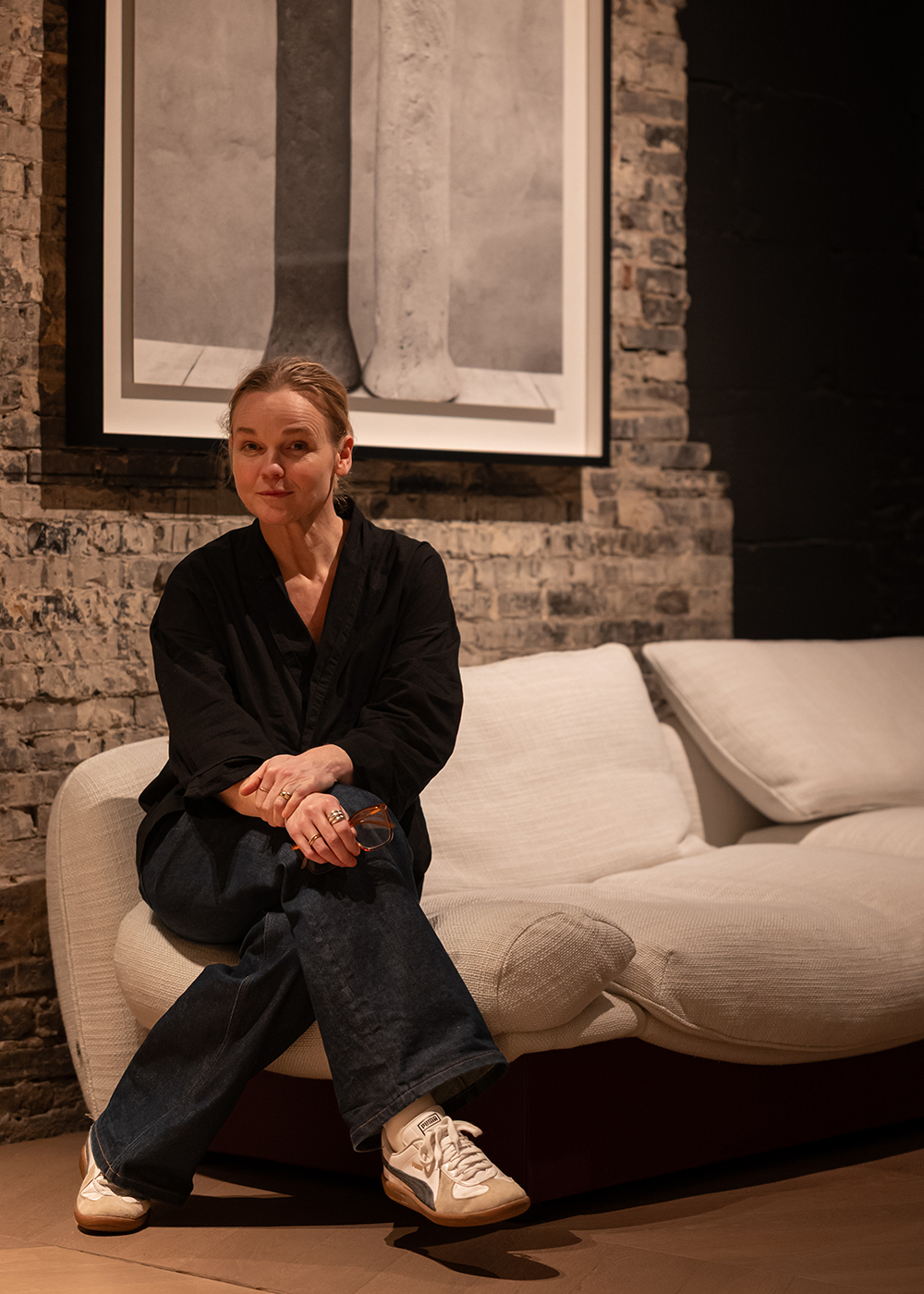
Looking back at the origin of this gathering, YINJISPACE’s decision to bring the conversation to Shanghai was not simply because Denmark represents the familiar image of “Nordic minimalism.” Rather, it was because once you truly arrive there, you begin to sense a deeper philosophy beneath it — a way of life in which nature, humanity, and the everyday are intricately intertwined.In YINJISPACE’s exchange with Norm Architects, “Soft Minimalism” was never merely a formal subtraction, but a gentle and restrained approach to living — one that returns space to the realm of the senses, allowing design to become something that can be experienced, inhabited, and slowly affirmed through time.
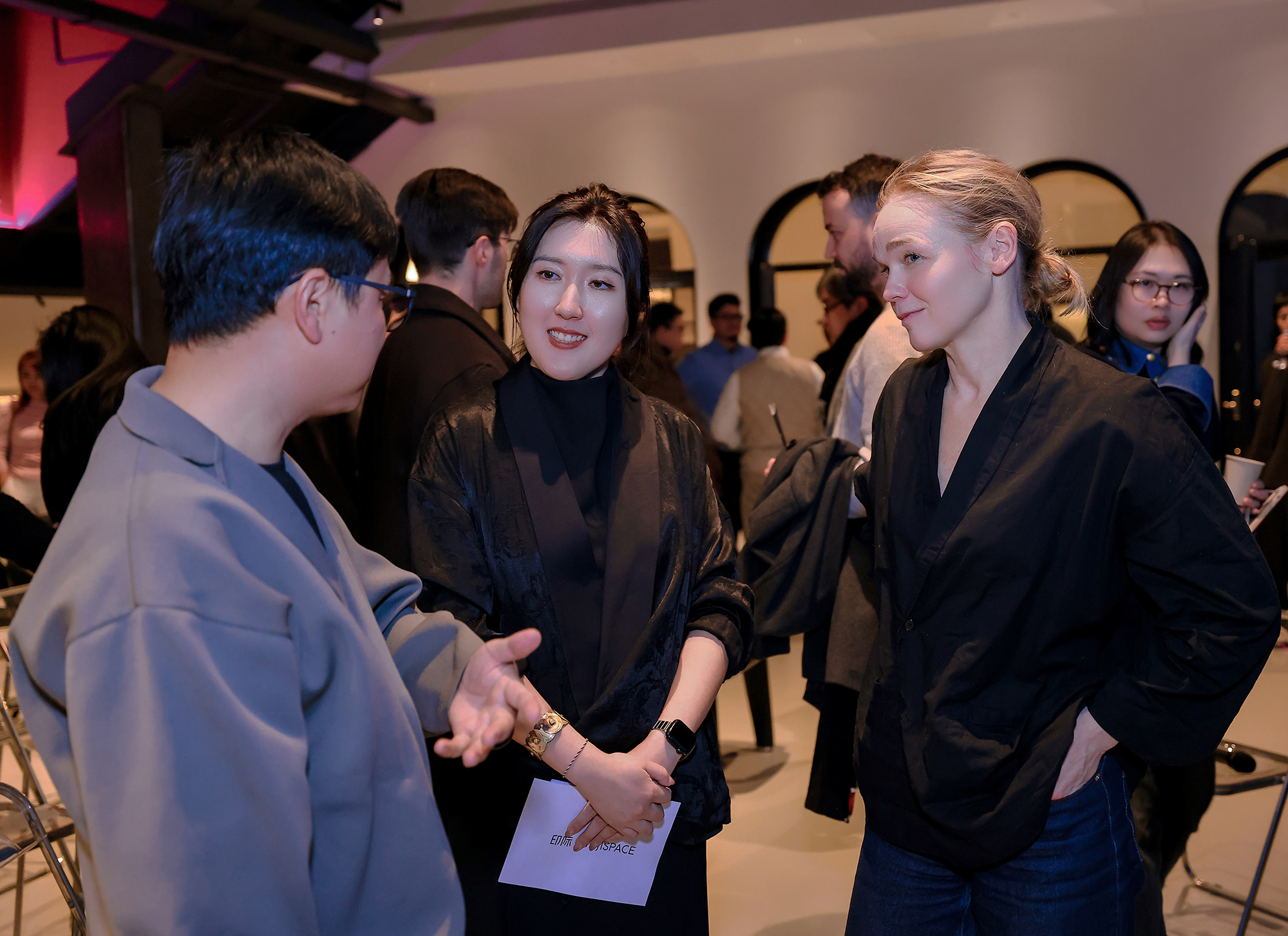
Likewise, Lai Guoping’s practice through SUNYATA offers another deeply resonant response. YINJISPACE has always been drawn to the quiet restraint and steady conviction that SUNYATA embodies — a stance that does not rush to define a style, nor chase immediate outcomes, but instead unfolds slowly on distant ground, rooted in respect, shaped by time, and sustained through lived experience.It is a form of locality one can truly believe in, and a direction that feels especially rare today: understated, yet unmistakably clear; unassuming, yet enduring.
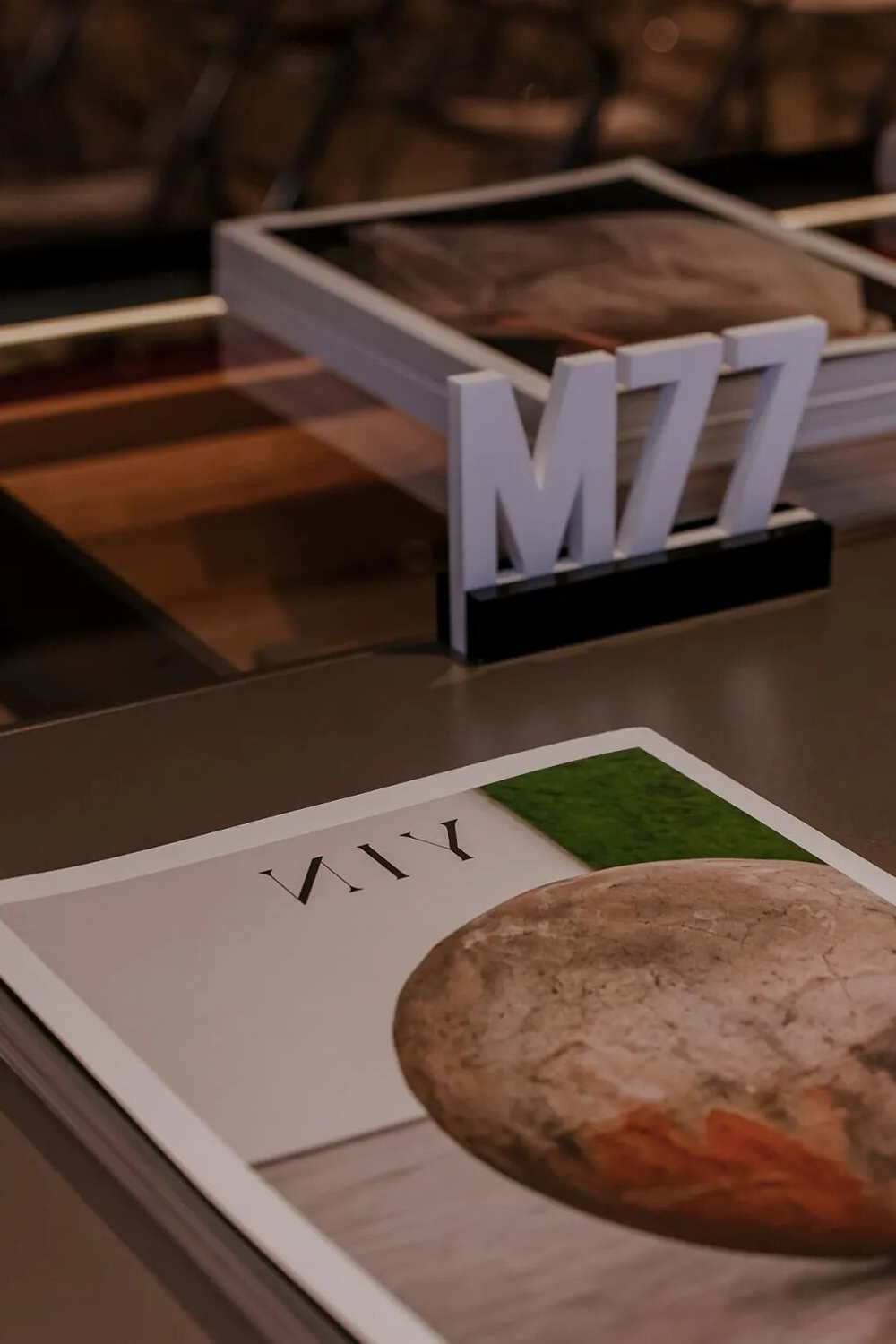
Finally, YINJISPACE would like to extend sincere gratitude to our partners ANTRONI and M77|OKHA for their generous support and shared commitment. It is through such kindred collaborations that this dialogue could take place — allowing different cultural experiences to meet within the same city, and giving the reflections on “arrival” and “dwelling” a more tangible ground to unfold.