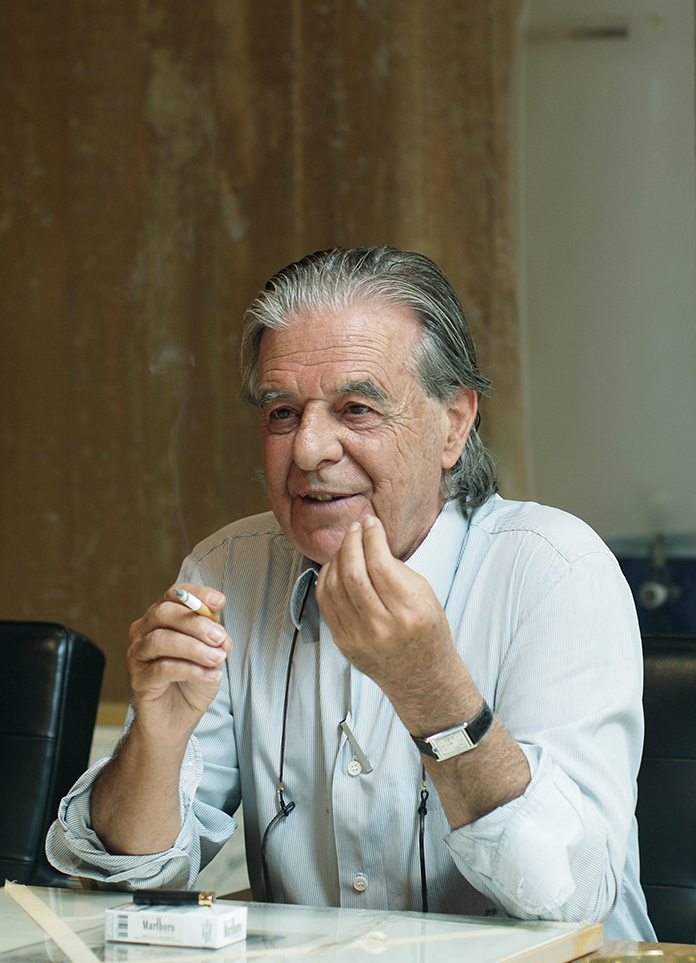
The works of Aagnes Studio are often described as the "craftsmanship" of space. But in their eyes, this kind of craftsmanship does not merely refer to materials or techniques; rather, it is a sensitive way of handling space. The founder of the studio said, "Our design process begins with listening to the lighting, materials and environment of the site. All of this seems to be in dialogue with us." It is precisely because of such a design approach that their works can touch people's hearts in a gentle yet profound way, like an introspective sensory journey, guiding residents to stop unconsciously and re-feel, think and immerse themselves in the space.

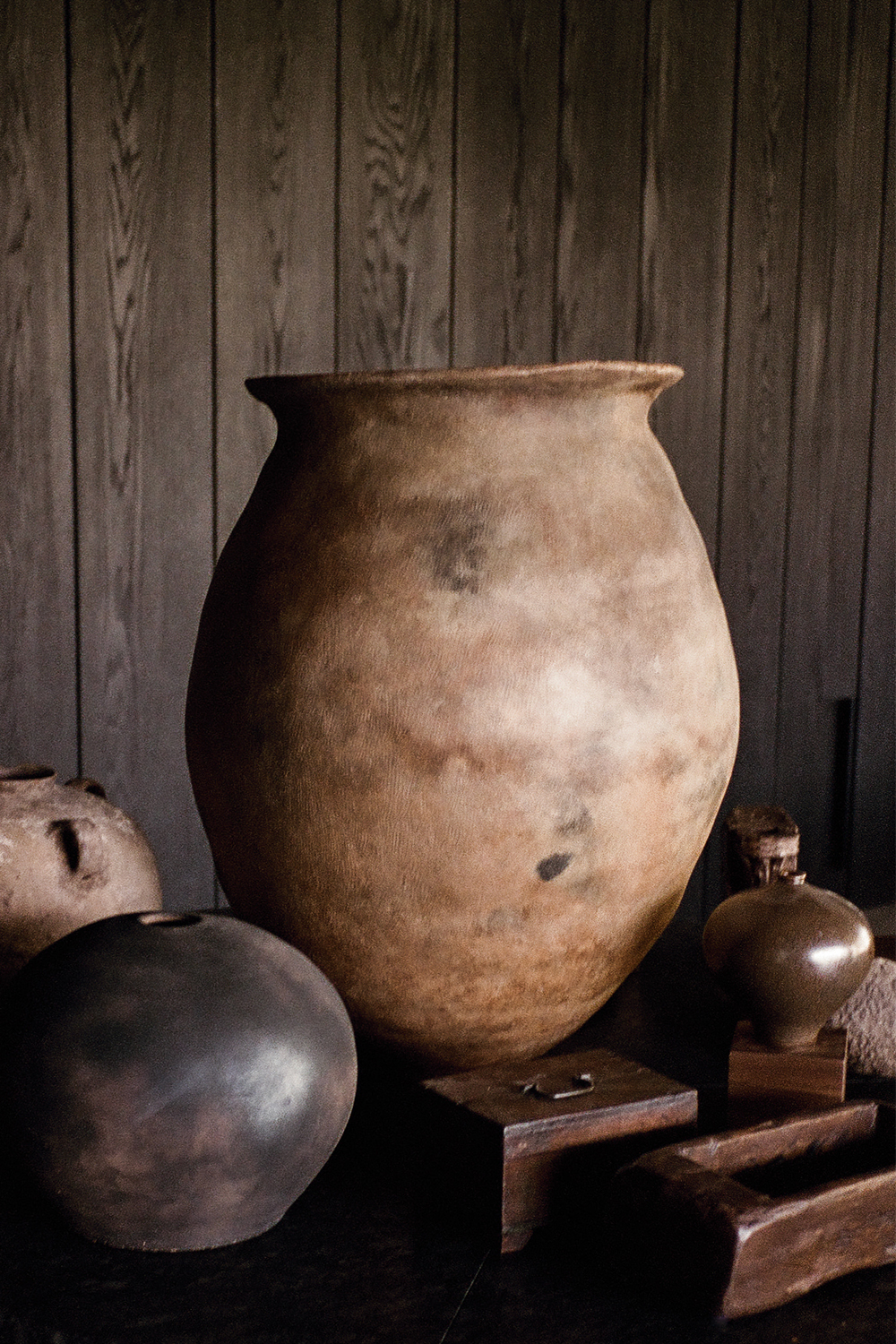
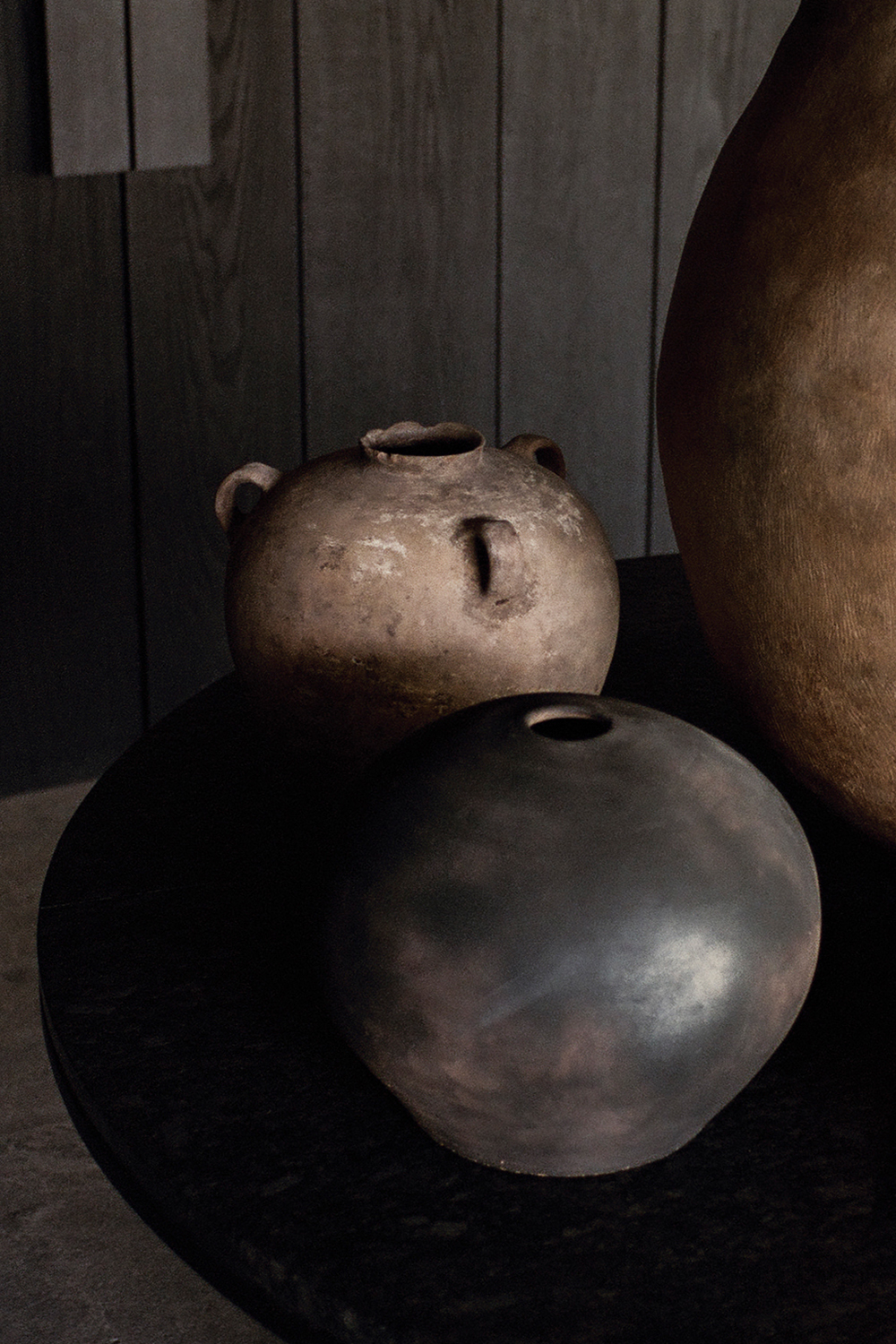
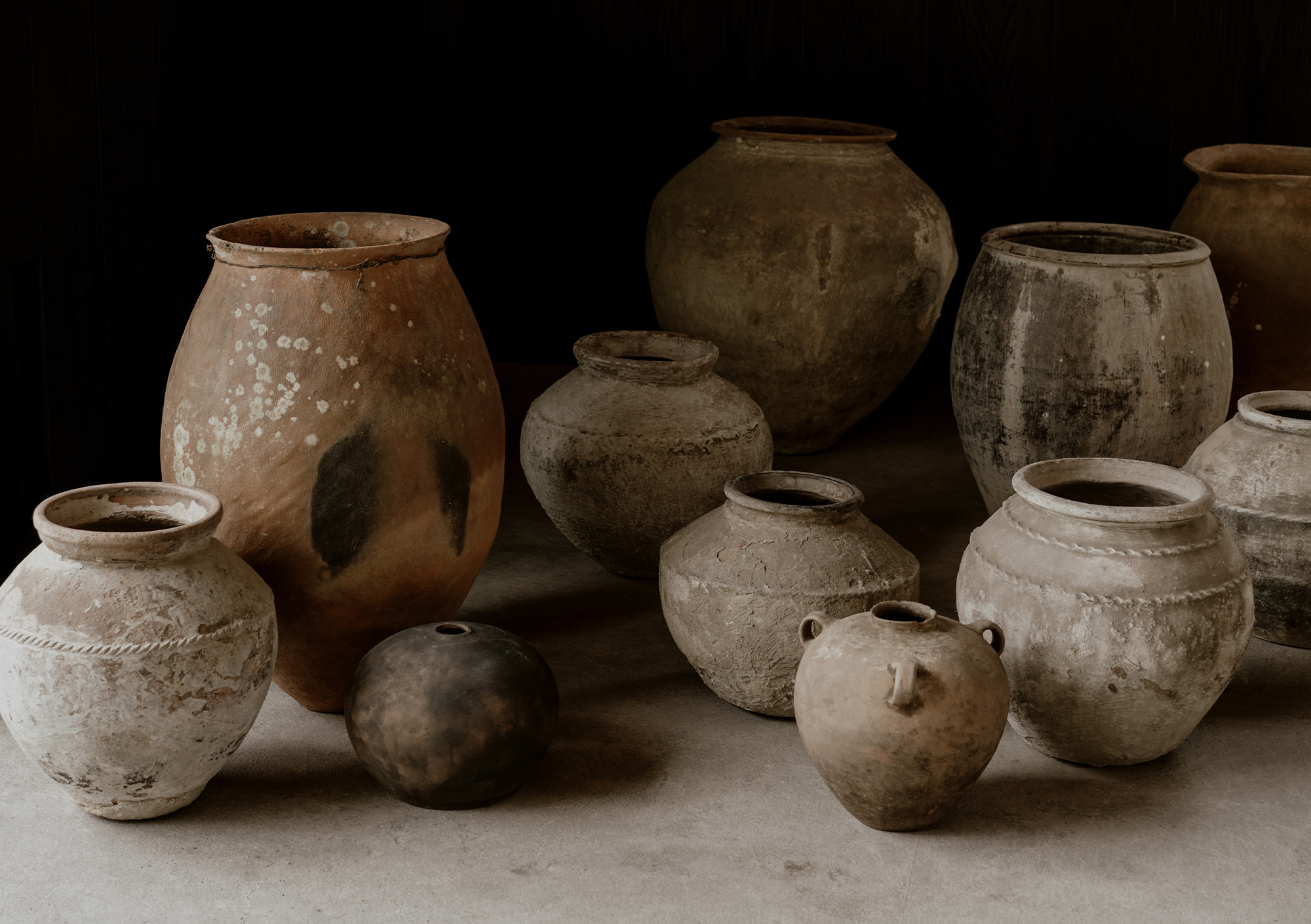
Aagnes' design language is deeply influenced by Mexican culture and natural landscapes. The handicraft materials and regional techniques she uses all carry a persistence against the pace of industrialization. Those handcrafted objects carry the "knowledge of the land" and also become the source of the "slowness, intention and emotional resonance" they pursue. In terms of form, they attempt to elevate design beyond decoration, transforming it into an expression of identity that lies between the past and the present - allowing the textures of nature and cultural memories to resound anew in the language of contemporary architecture. It is precisely at this intersection of "tradition - contemporary, local - global, history - eternal" that Casa Co has found its place: a contemporary residence that not only responds to the context but also extends its poetic charm.

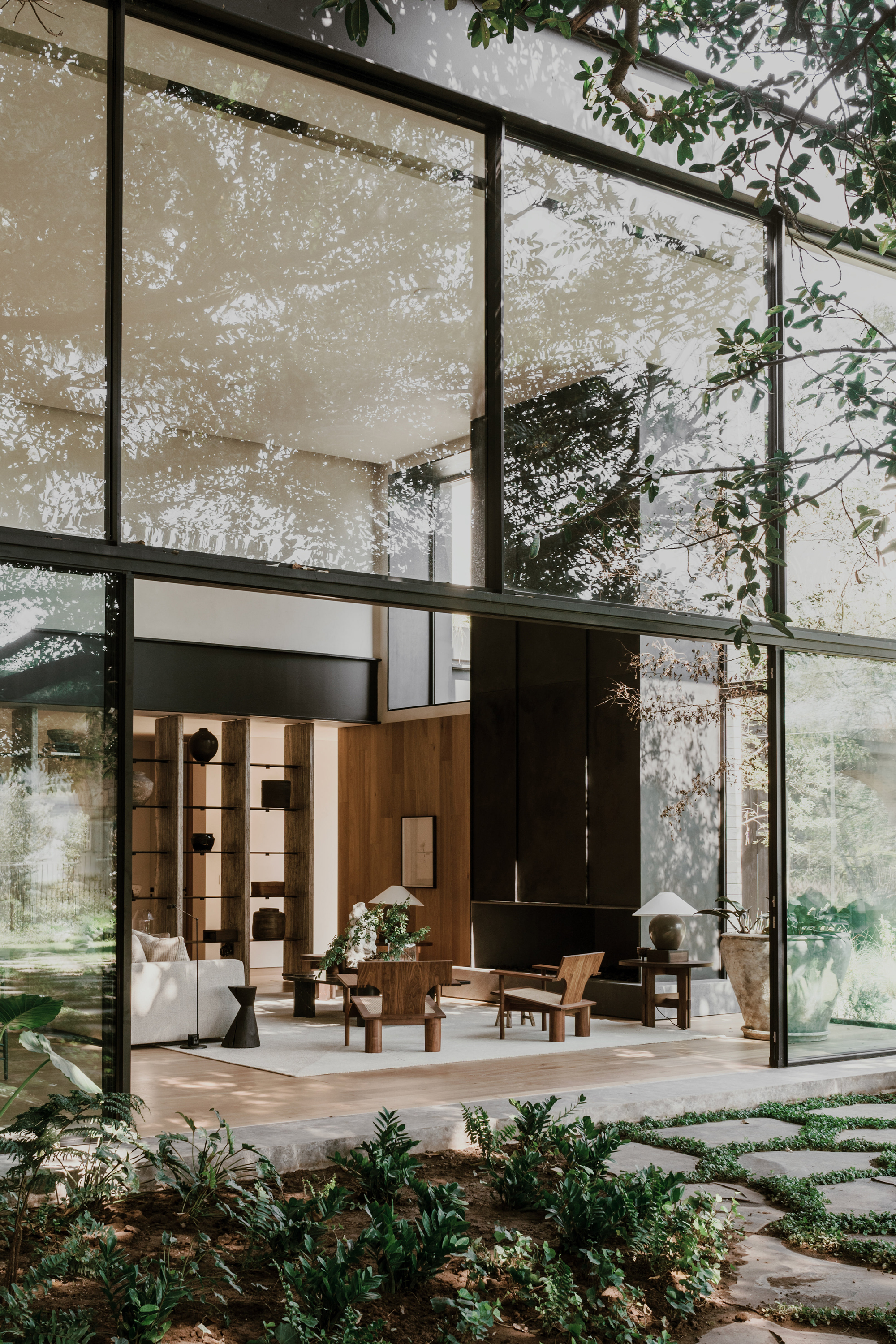
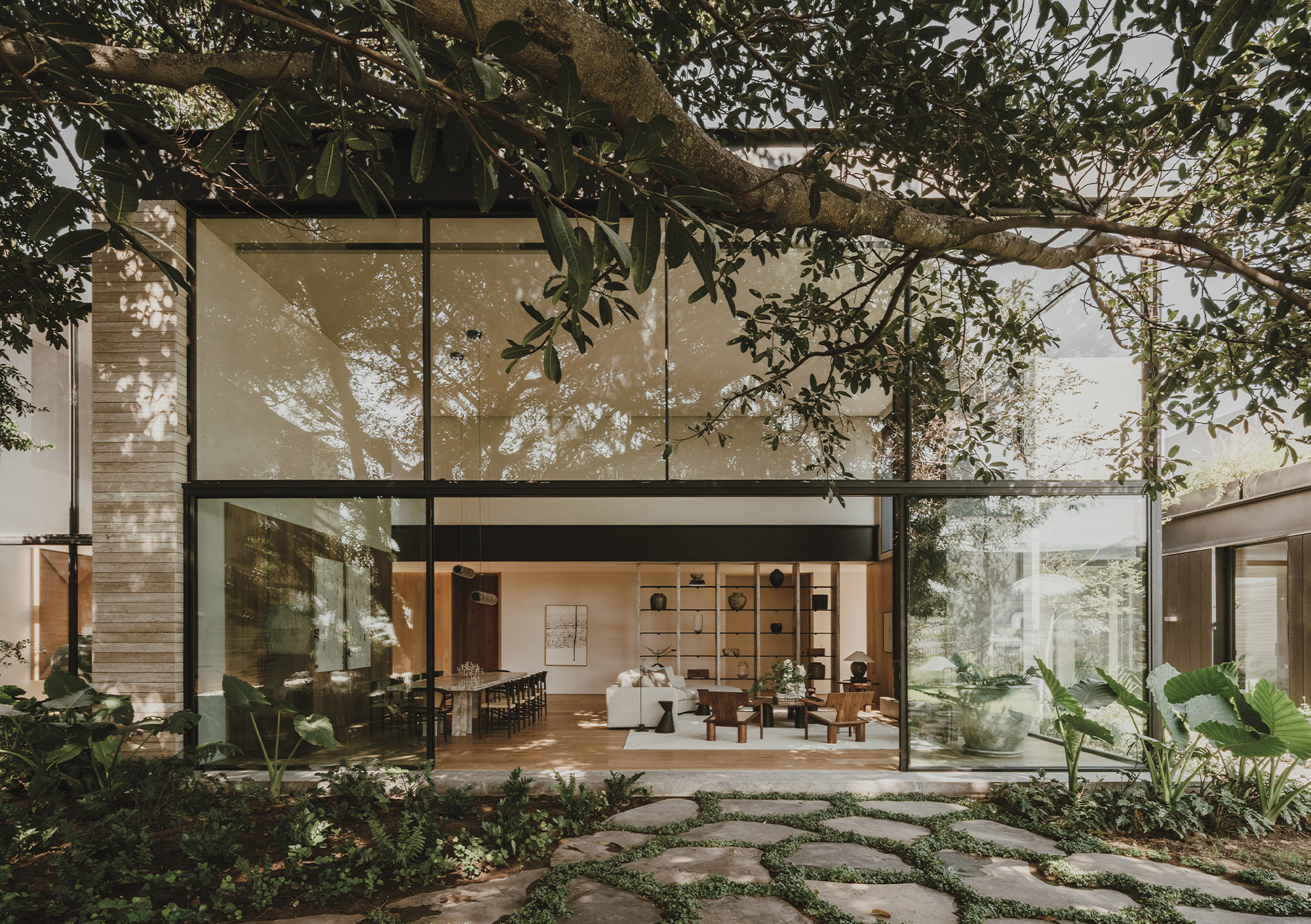
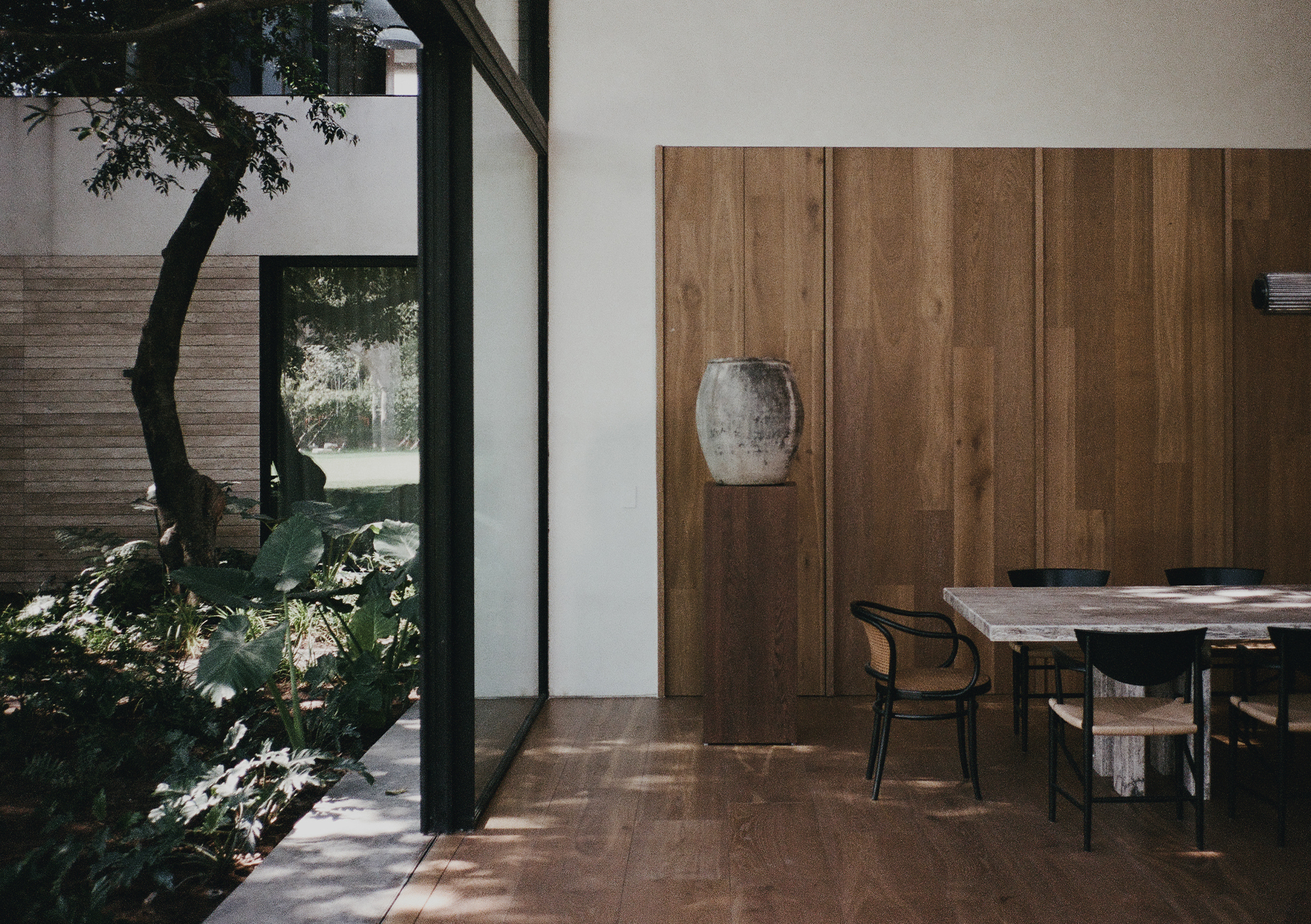
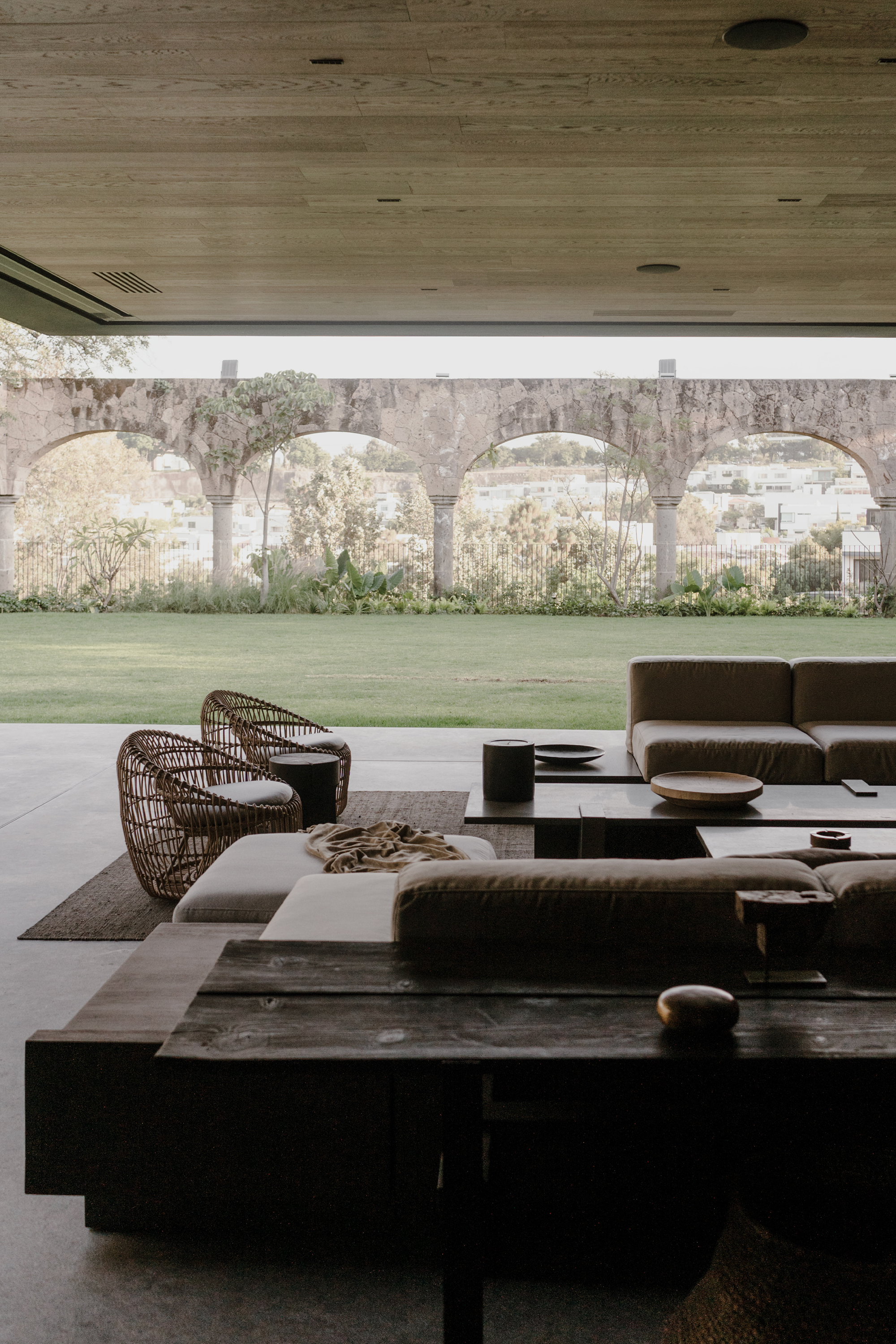
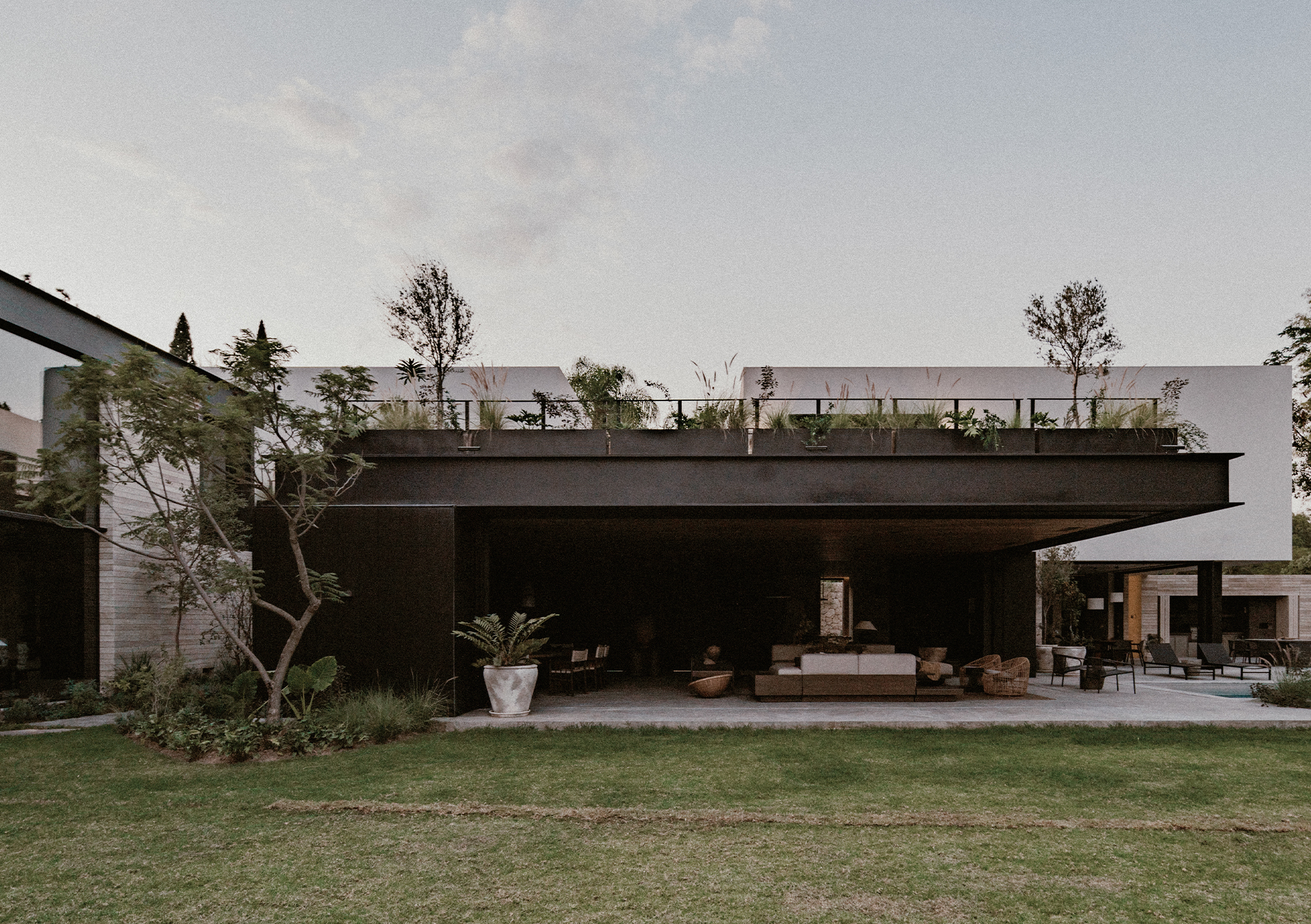
When we spoke with Aagnes Studio about the origins of Casa CO, their answer was “a garden”—a site gently crossed by an ancient aqueduct and sheltered by towering trees. Before any architecture had taken form, the garden had already developed its own language, and the house was gradually awakened through a dialogue with it.

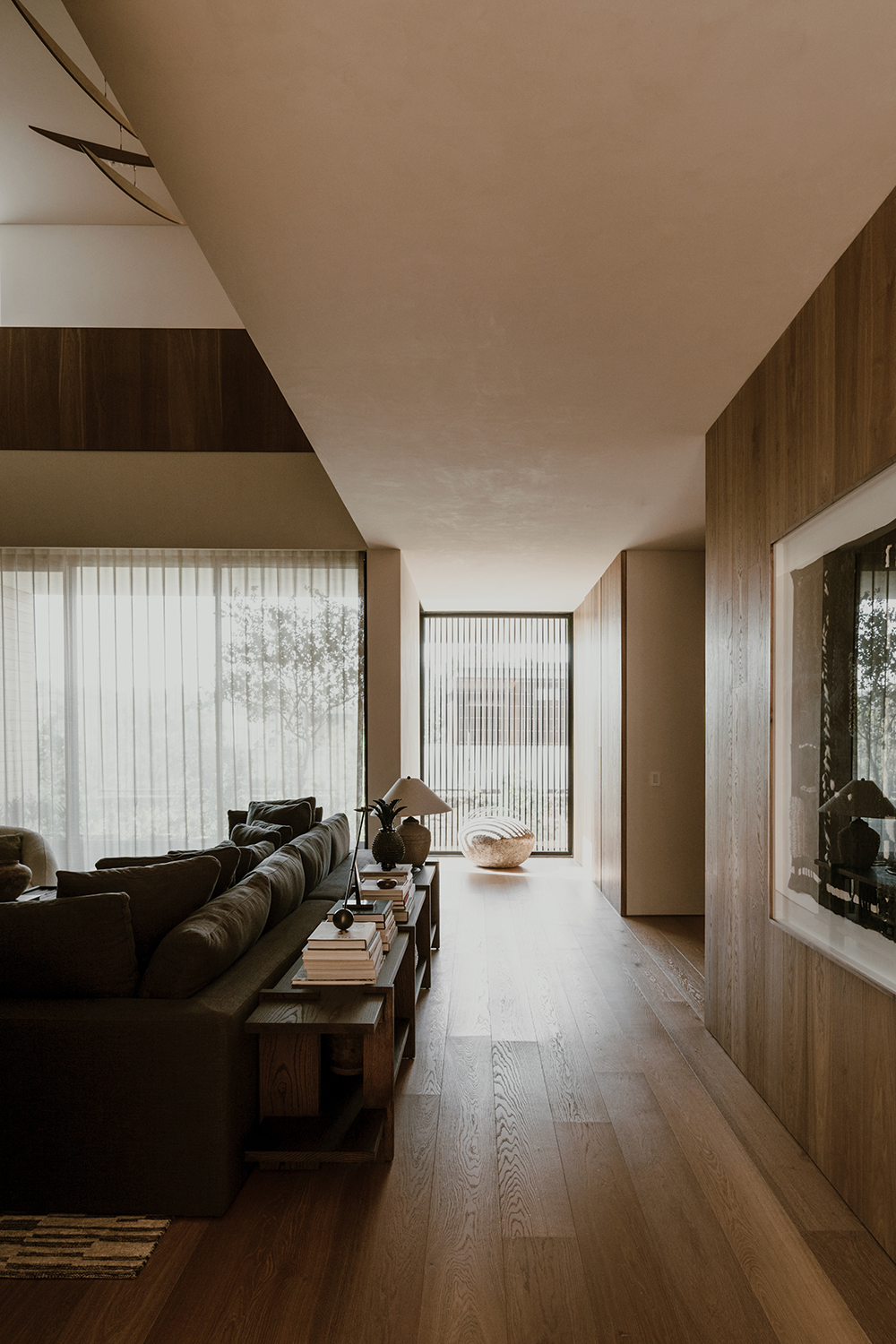
In Aagnes Studio’s early explorations, the house was at times broken down into independent volumes scattered among the shadows of the trees, and at others condensed into a single, weighty mass. Eventually, they realized that the approach most attuned to the spirit of the project was to let the house follow the rhythm of the garden—adopting a more expansive layout that allows its inhabitants to “encounter” the garden through different spatial moments. At one end, an open and sociable atmosphere unfolds; at the other, where the trees rise tall, the mood naturally shifts toward intimacy and quiet. In Mexico, a house and its garden are never merely spatial constructs. They are a refuge for the soul, a vessel for individuality, and a place where everyday life naturally takes place.

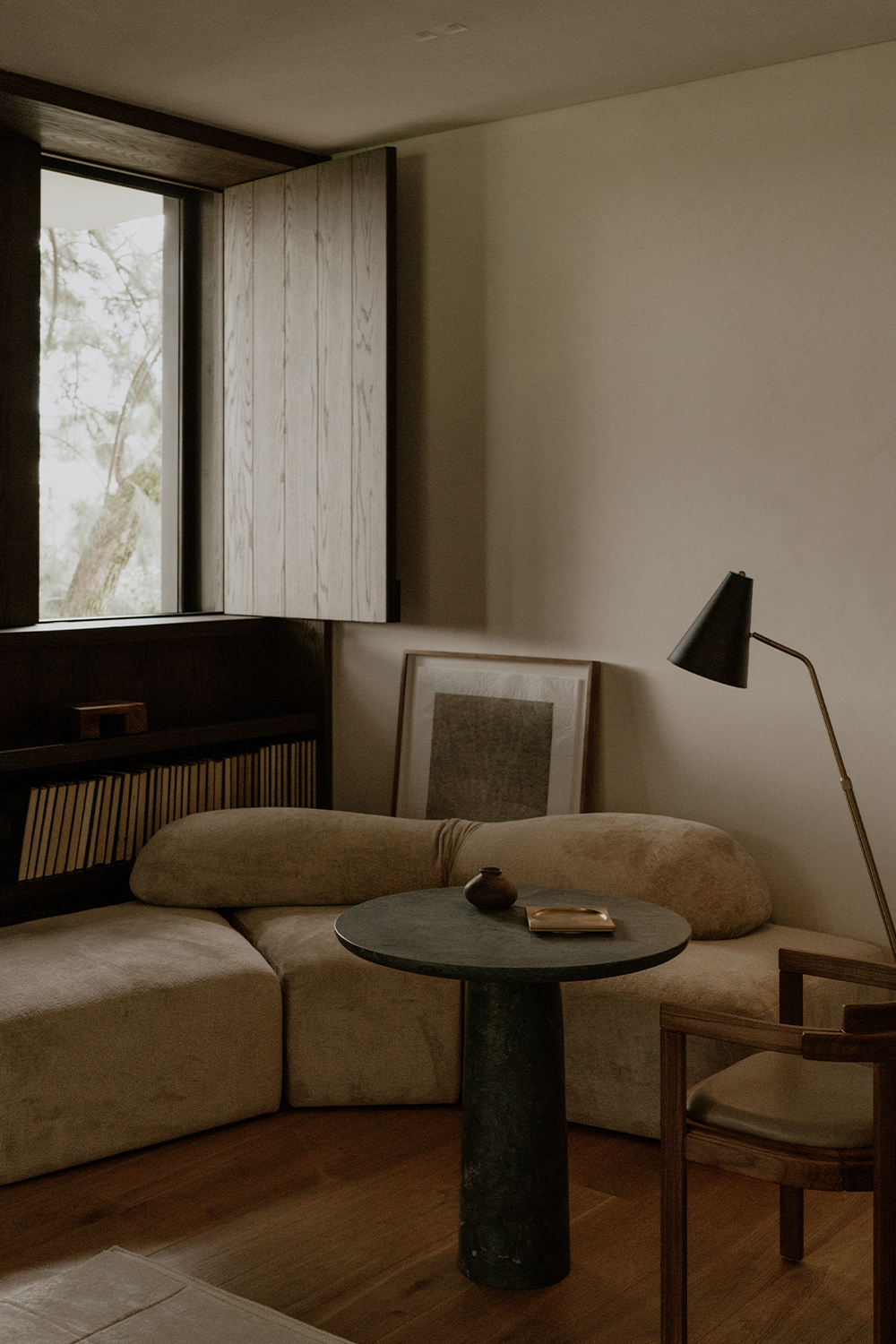
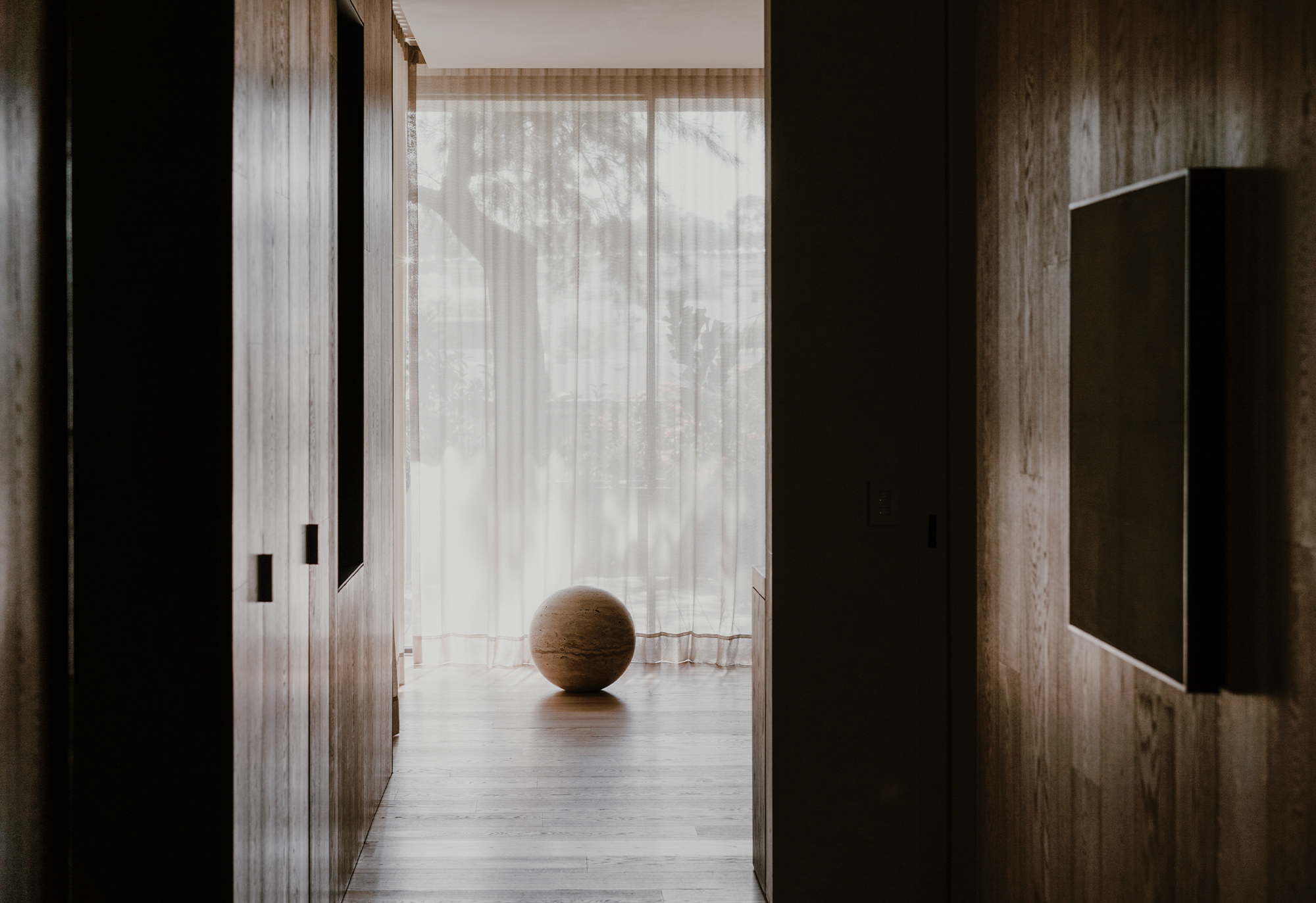
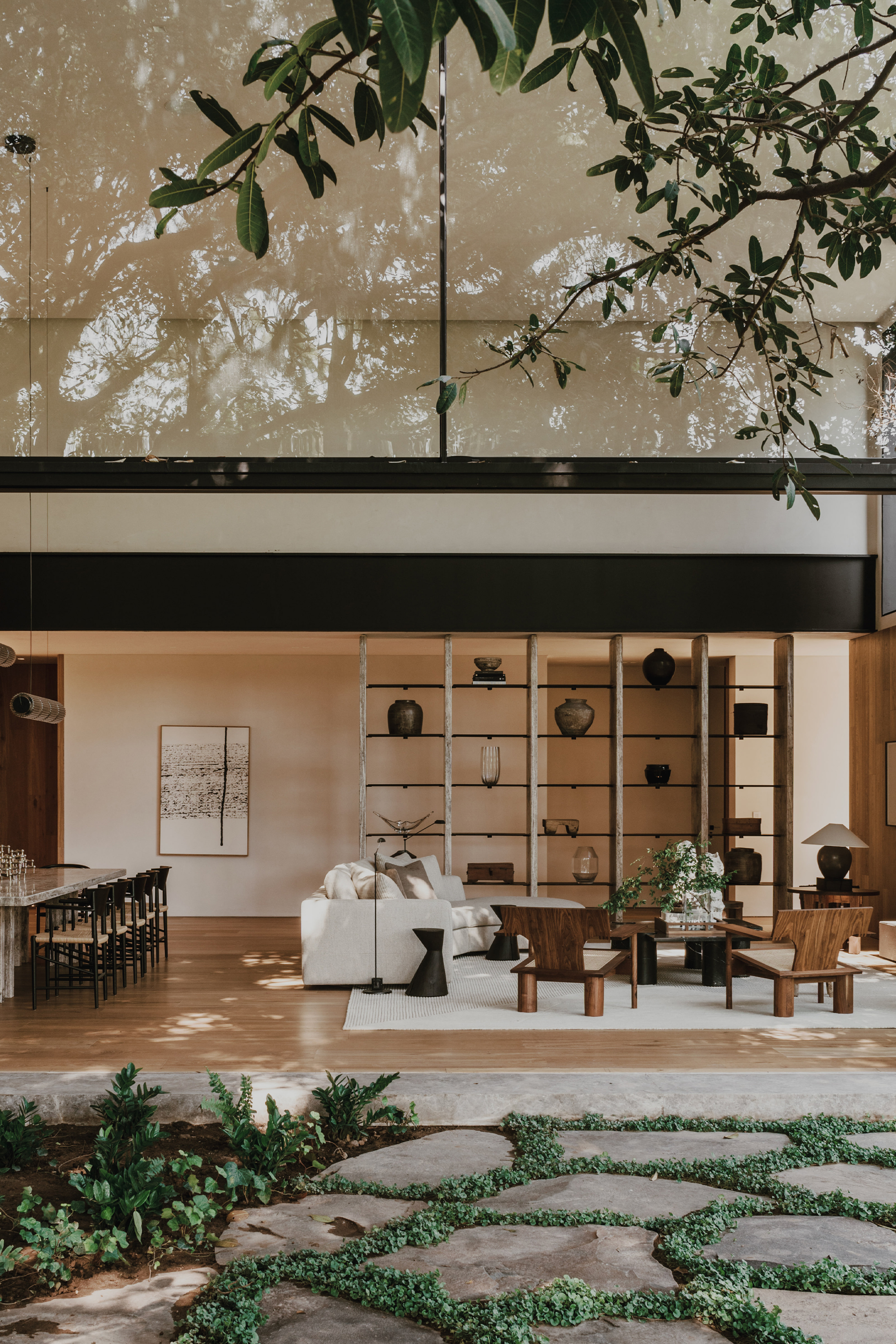
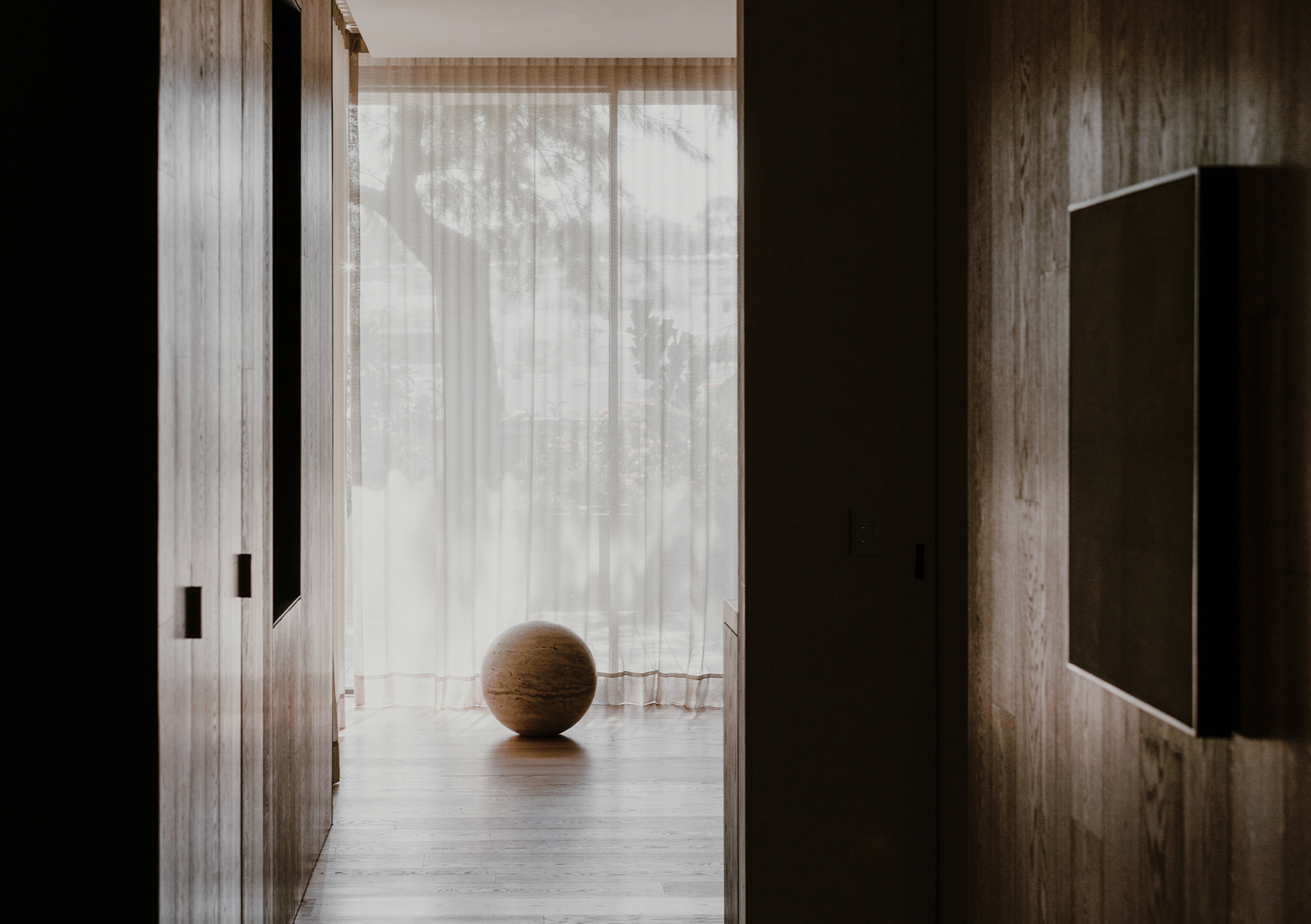
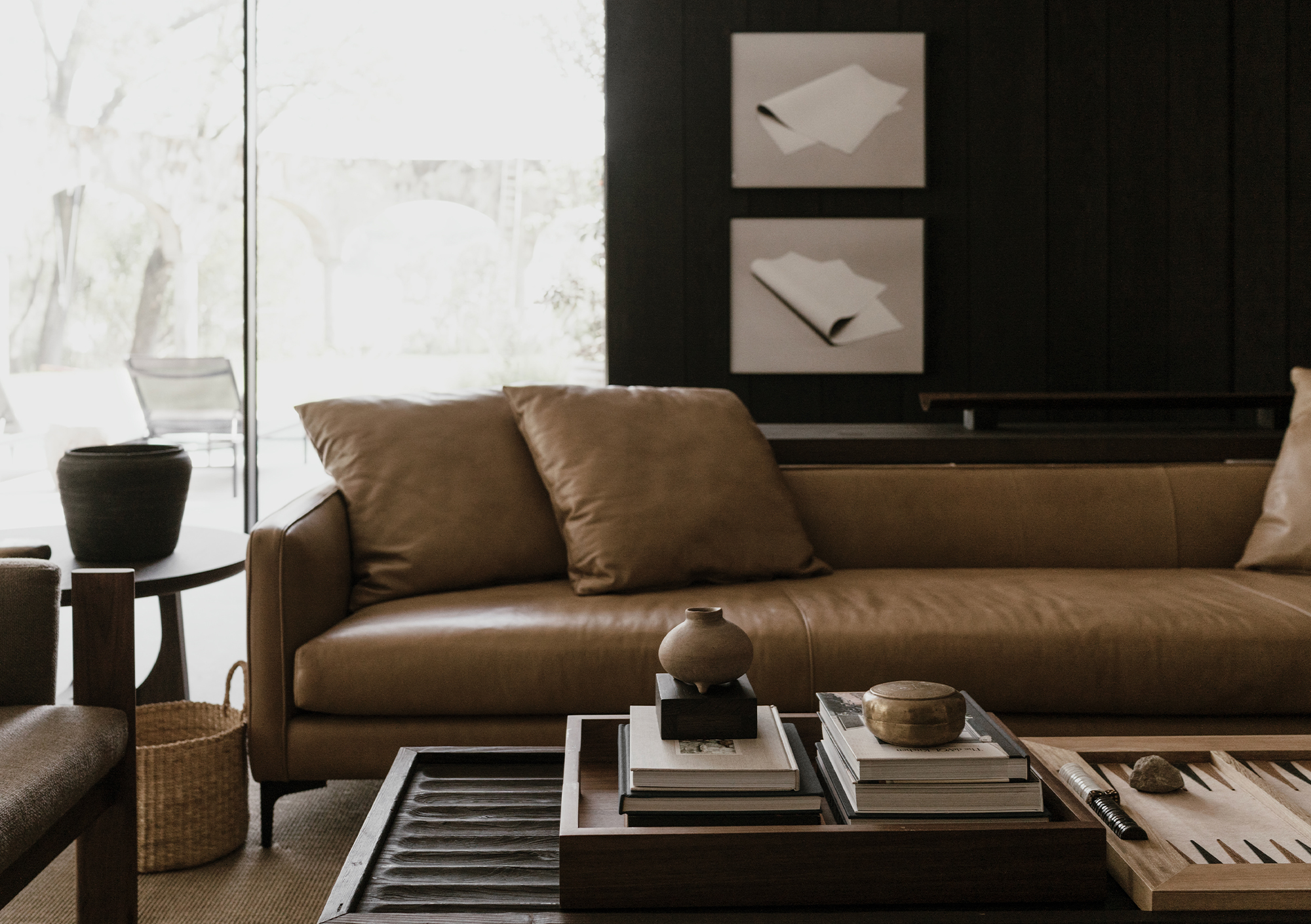
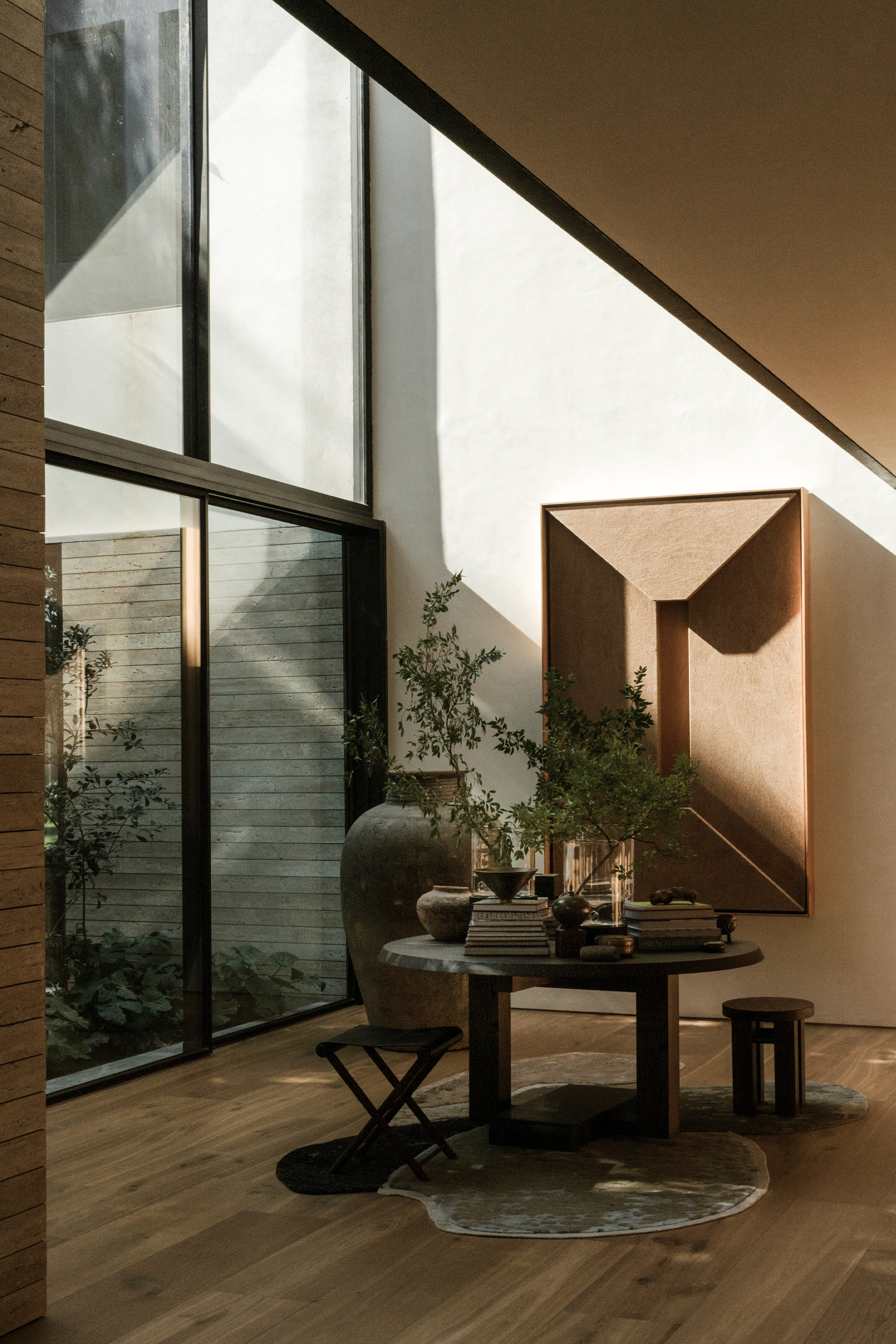
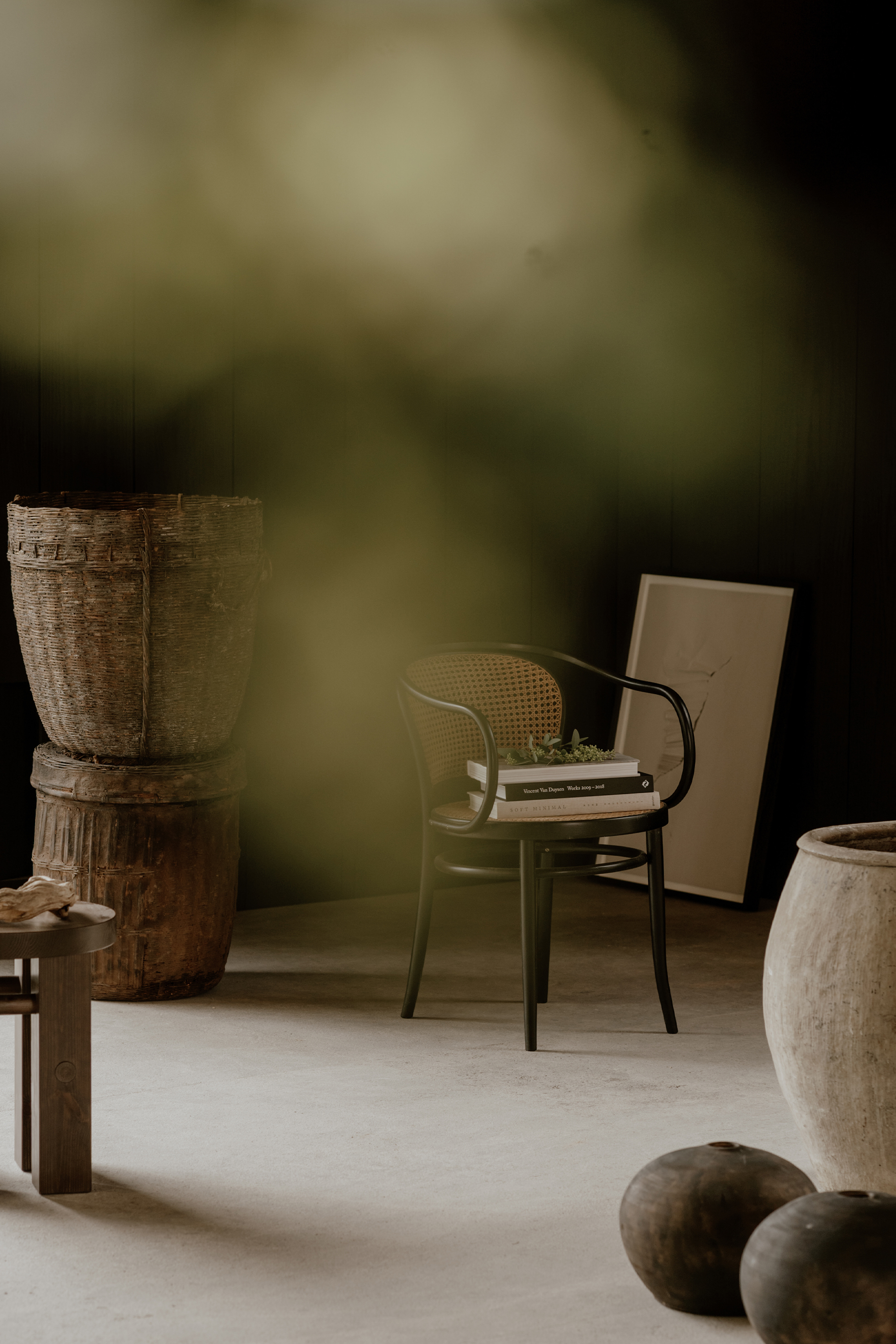
When speaking about “light,” they describe it as a kind of “liquid”—on a perceptual level, it undergoes captivating shifts of state: at times dense and saturated, as if the contours of all matter quietly dissolve into it; at other moments, clear and weightless, gently spreading through the air without disturbing anything, leaving only subtle traces along the edges of shadow. In the space, light feels less like a fixed element and more like a freely wandering protagonist.

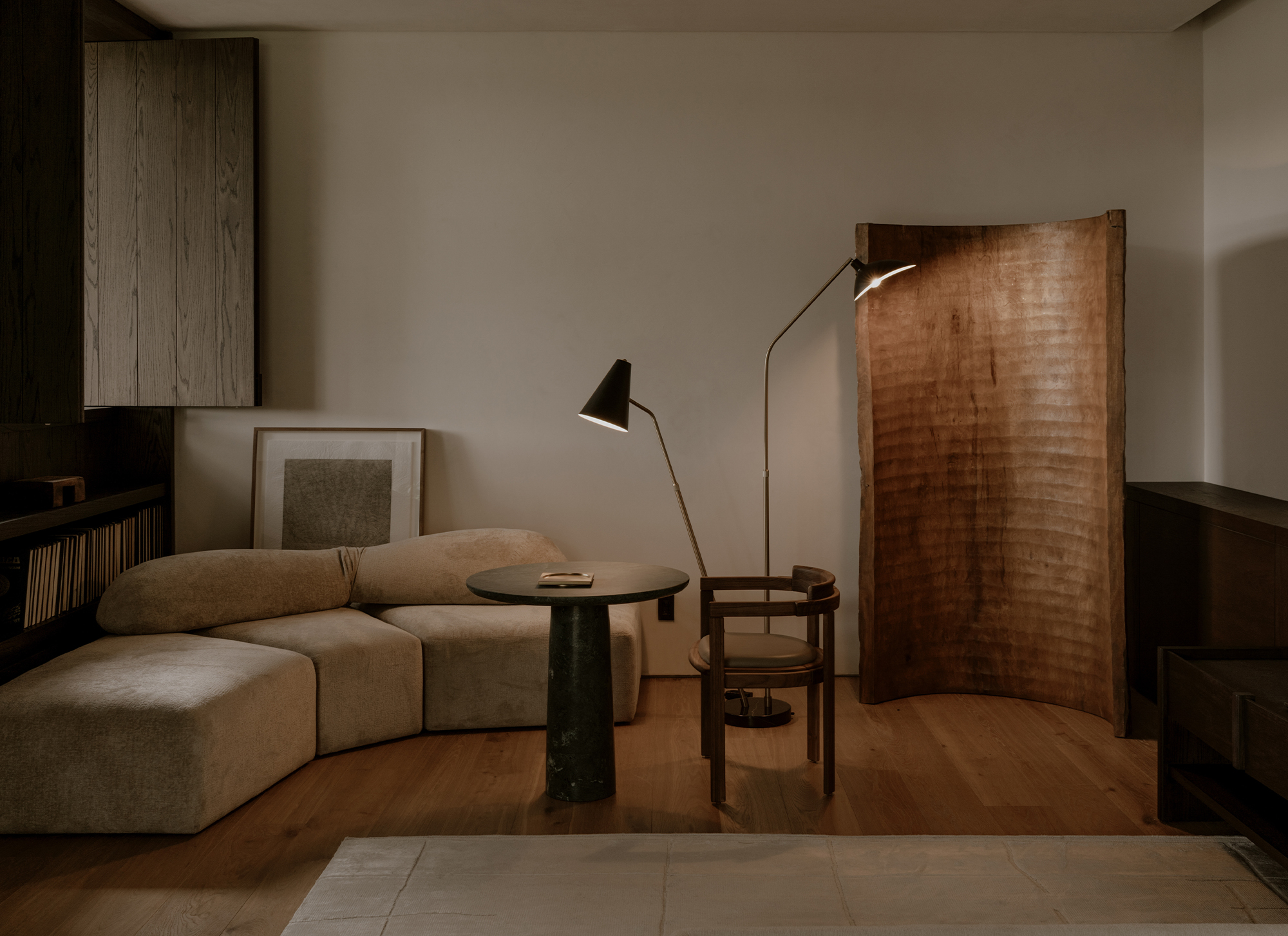
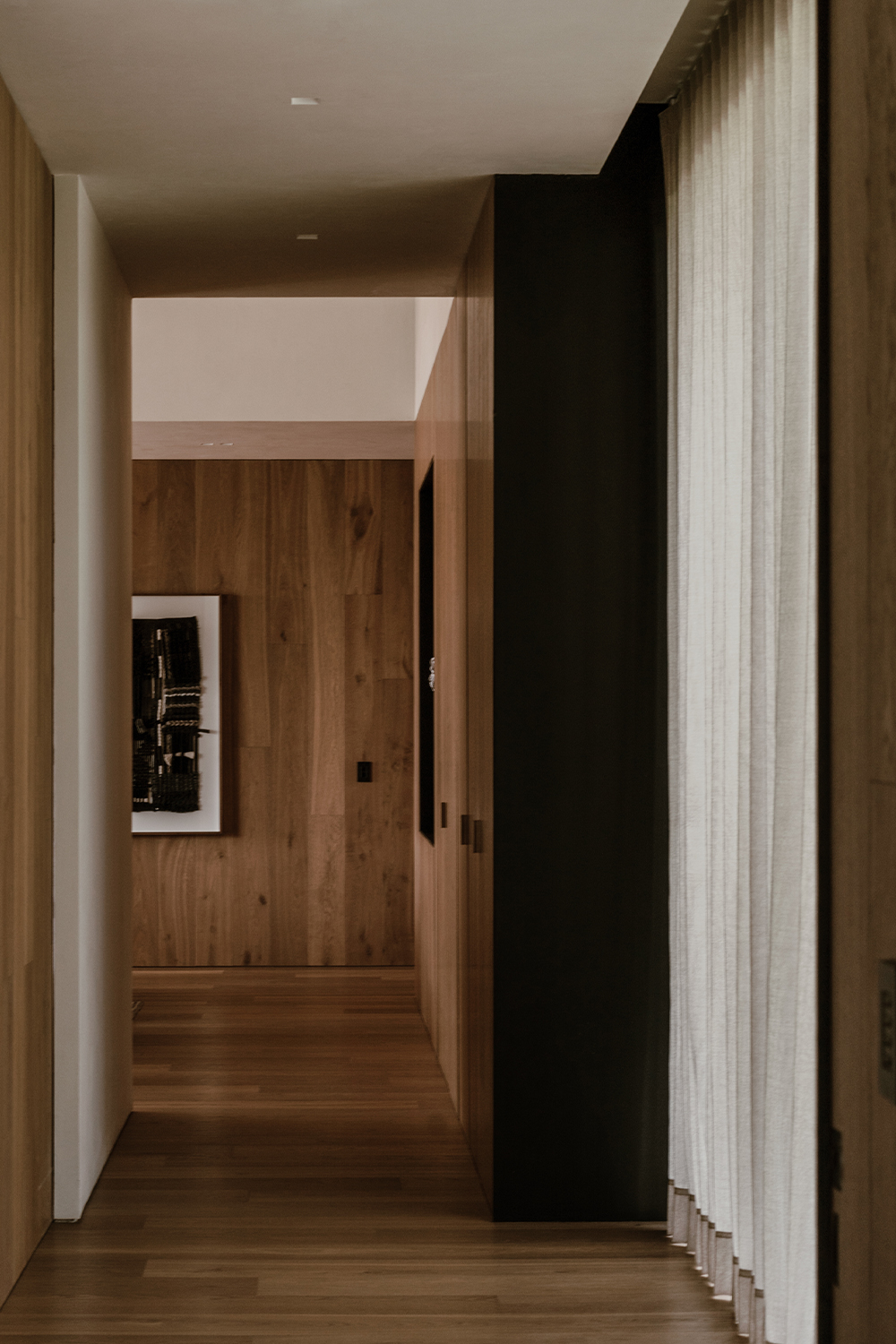
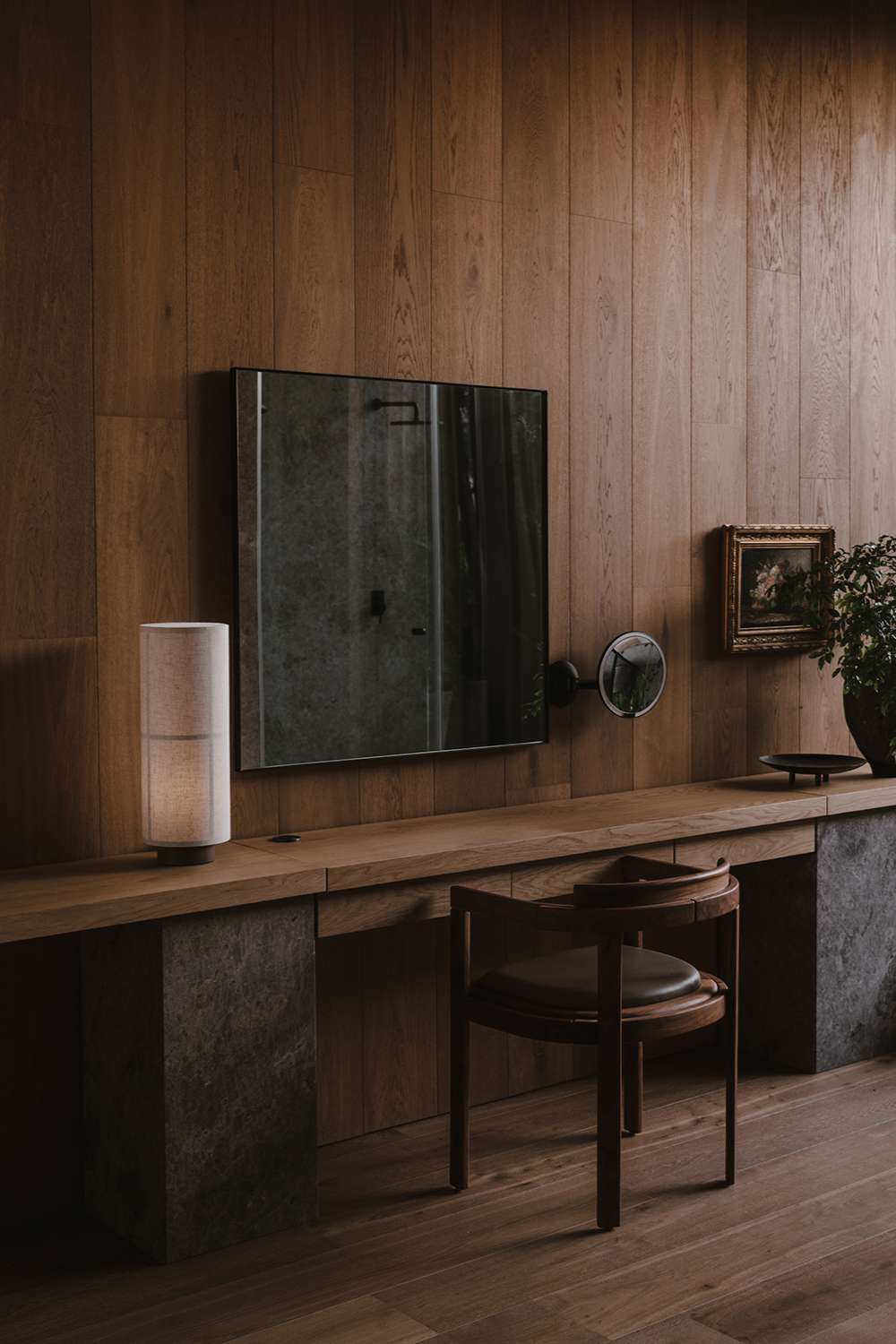
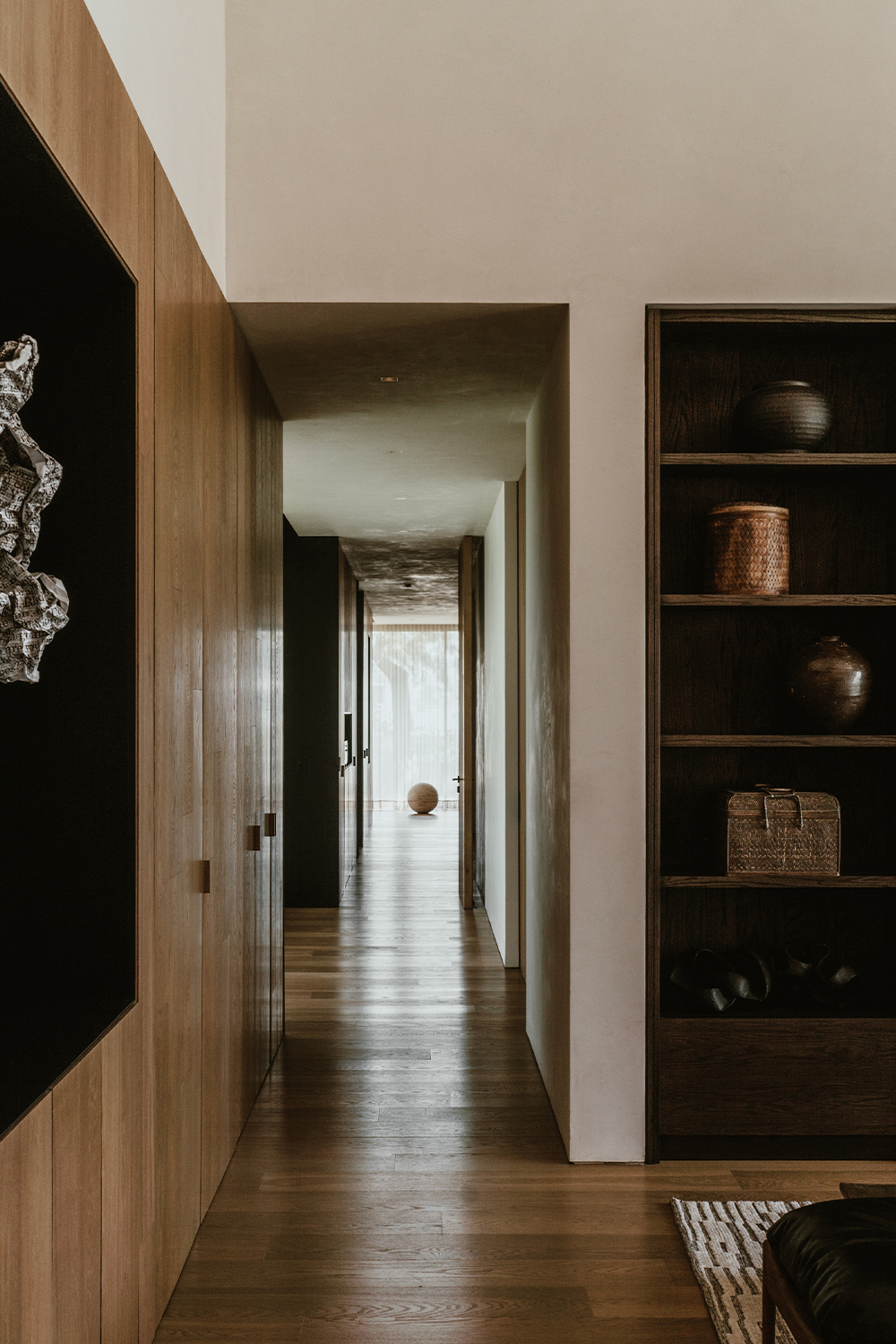
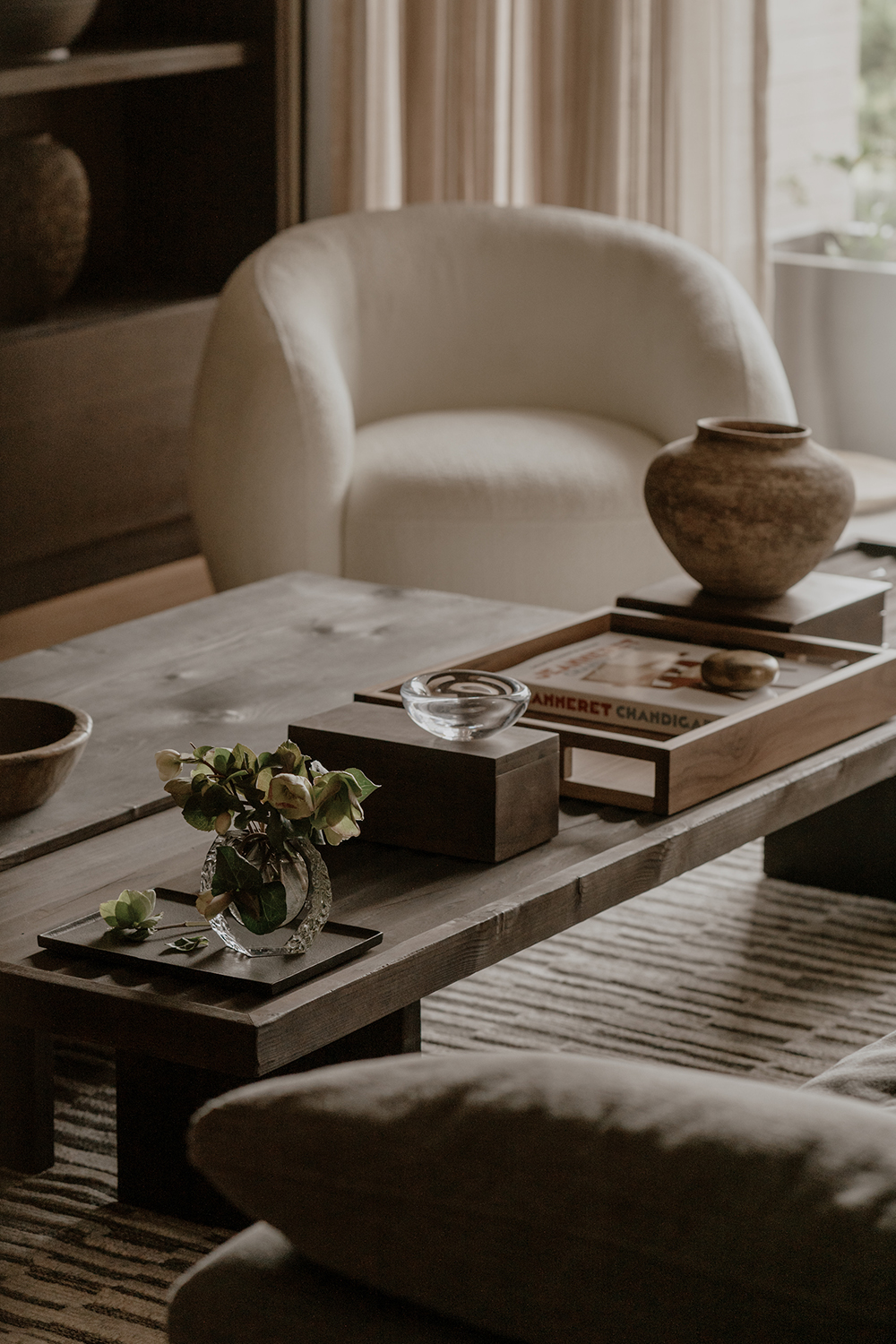
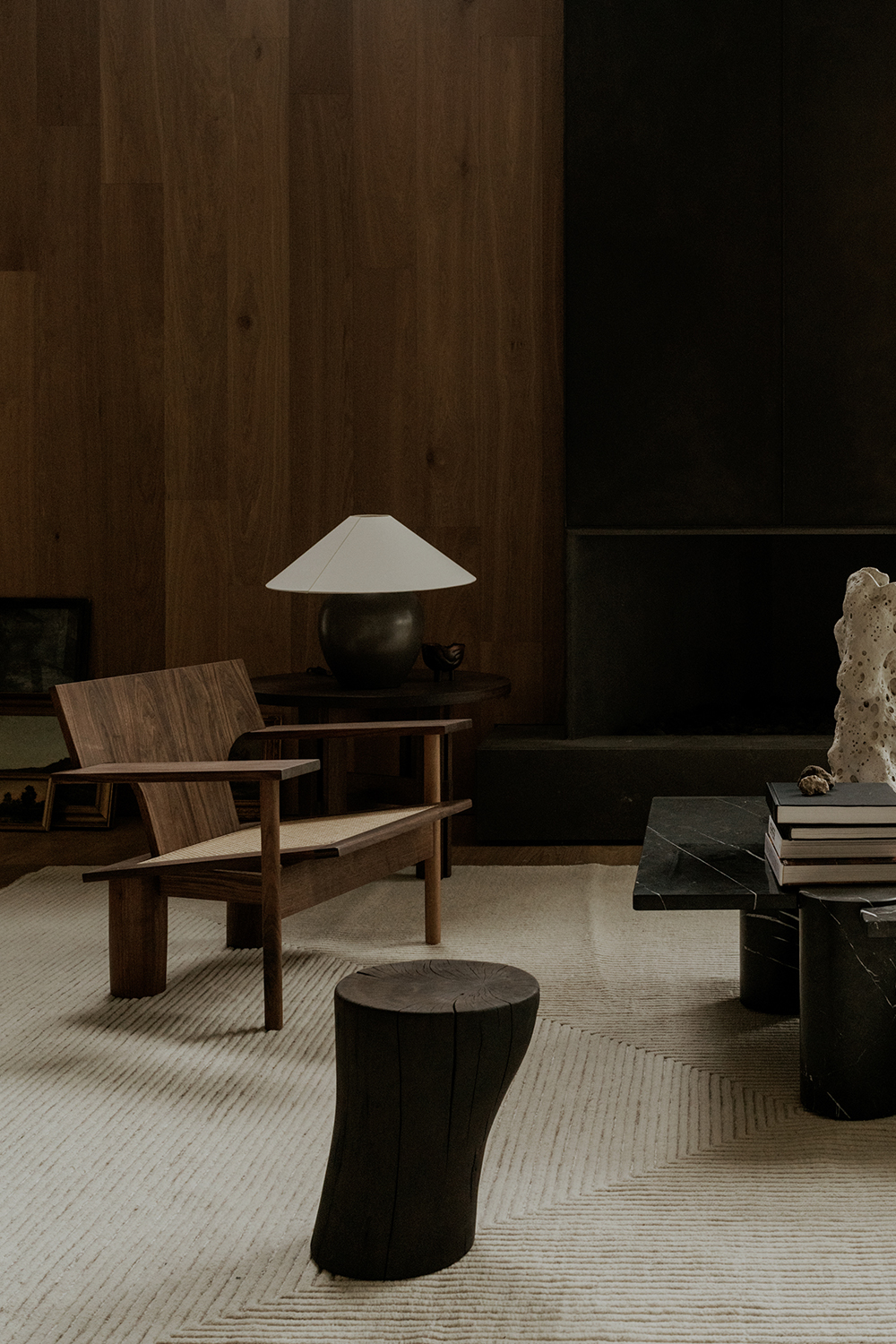
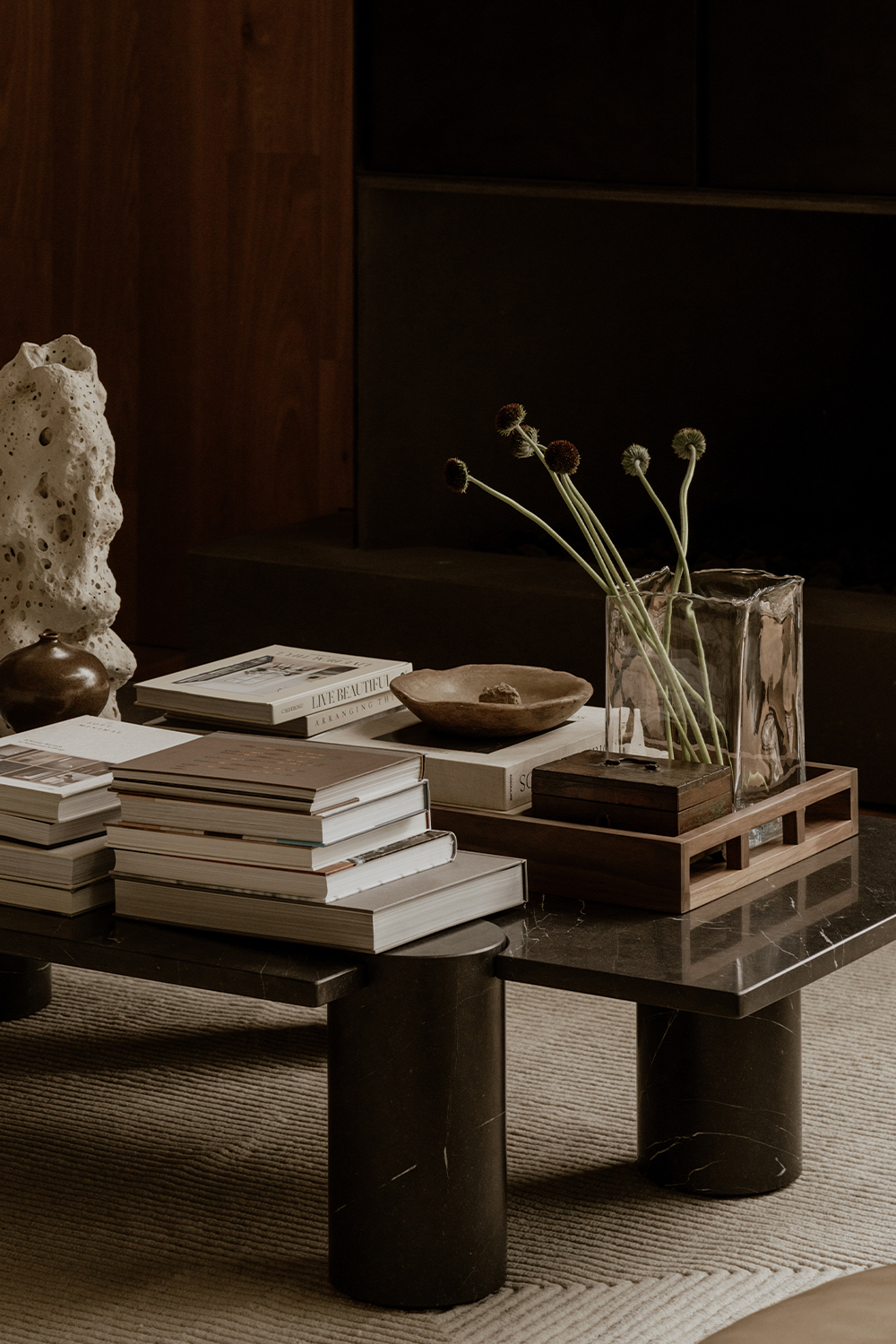
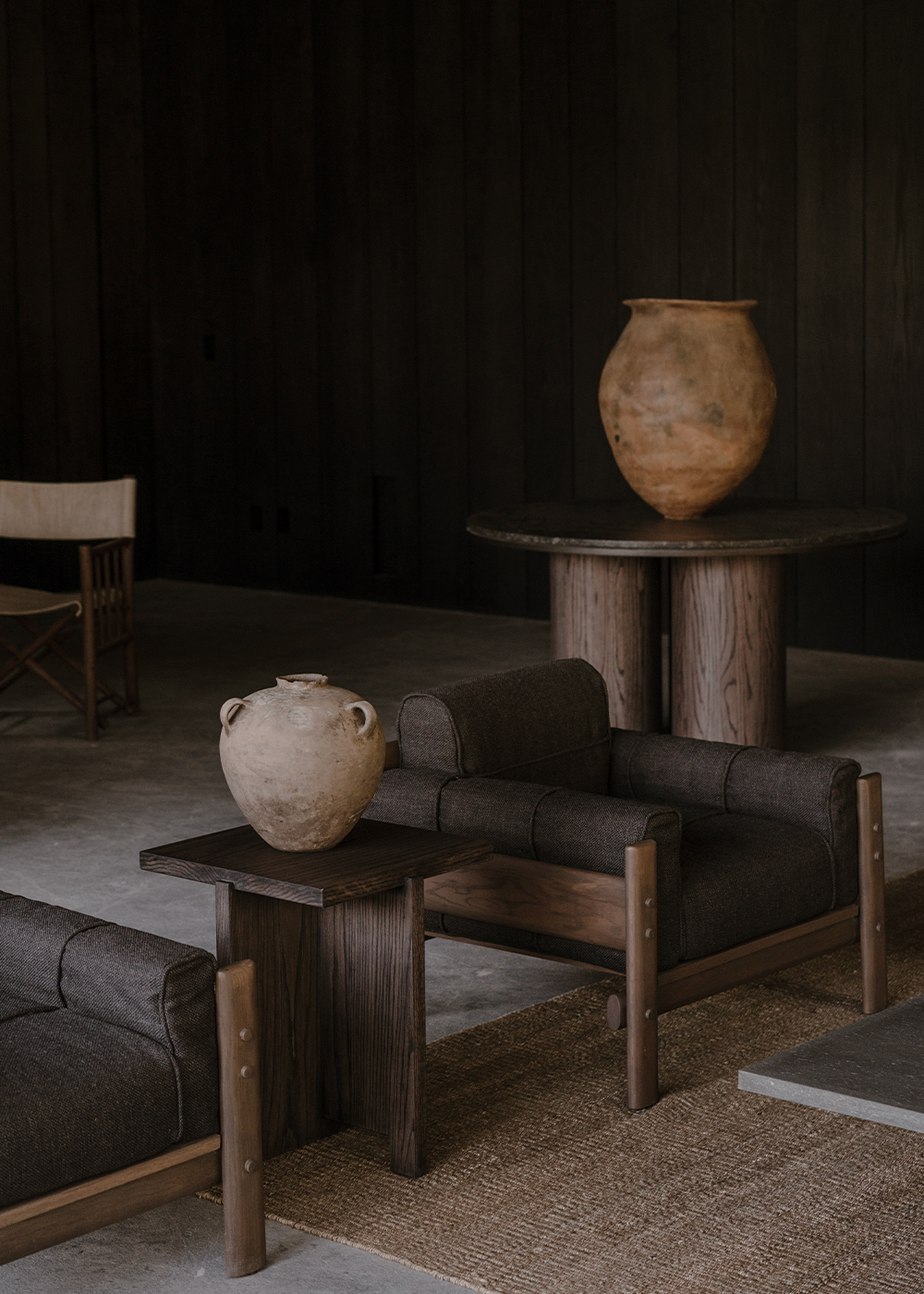
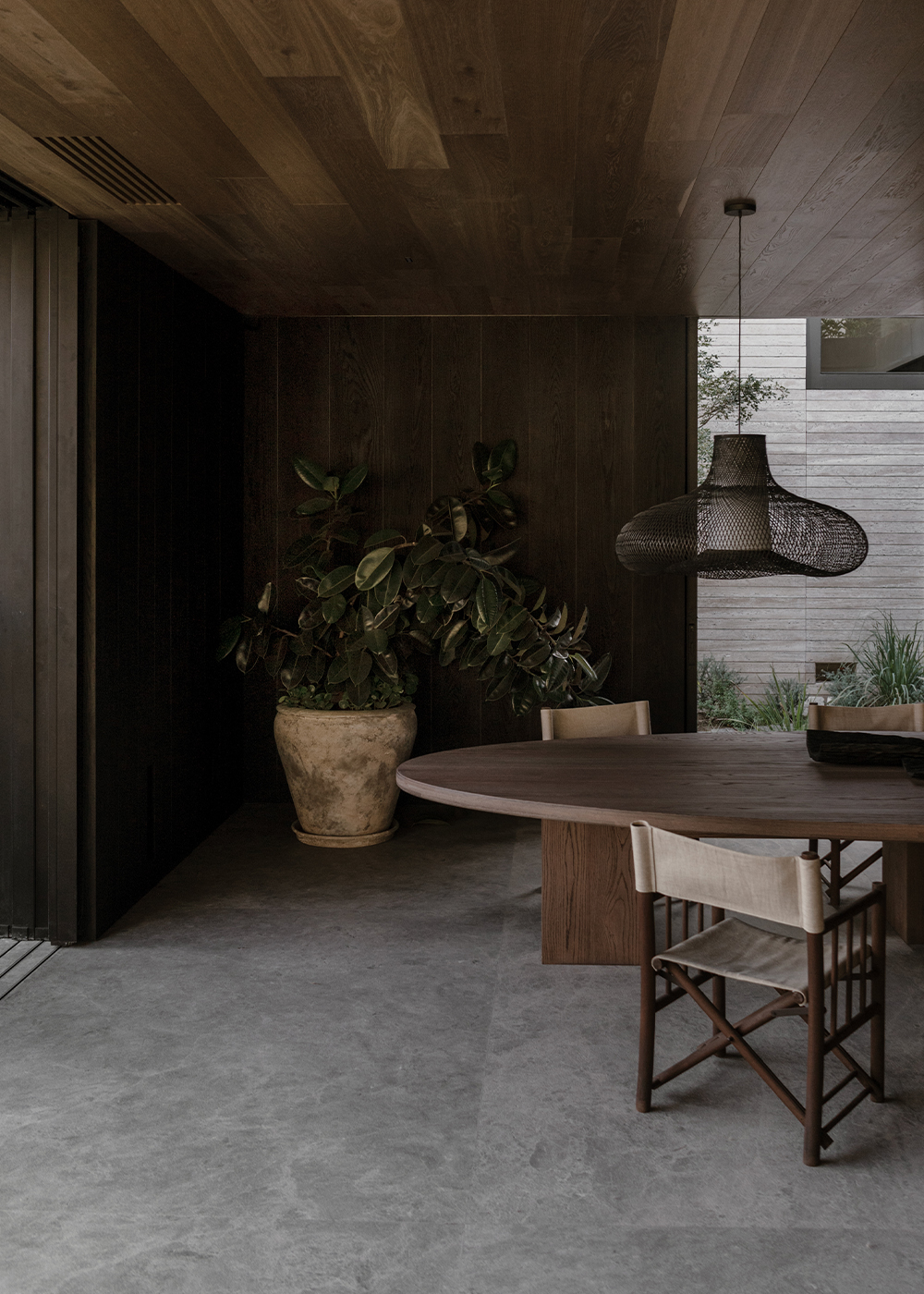
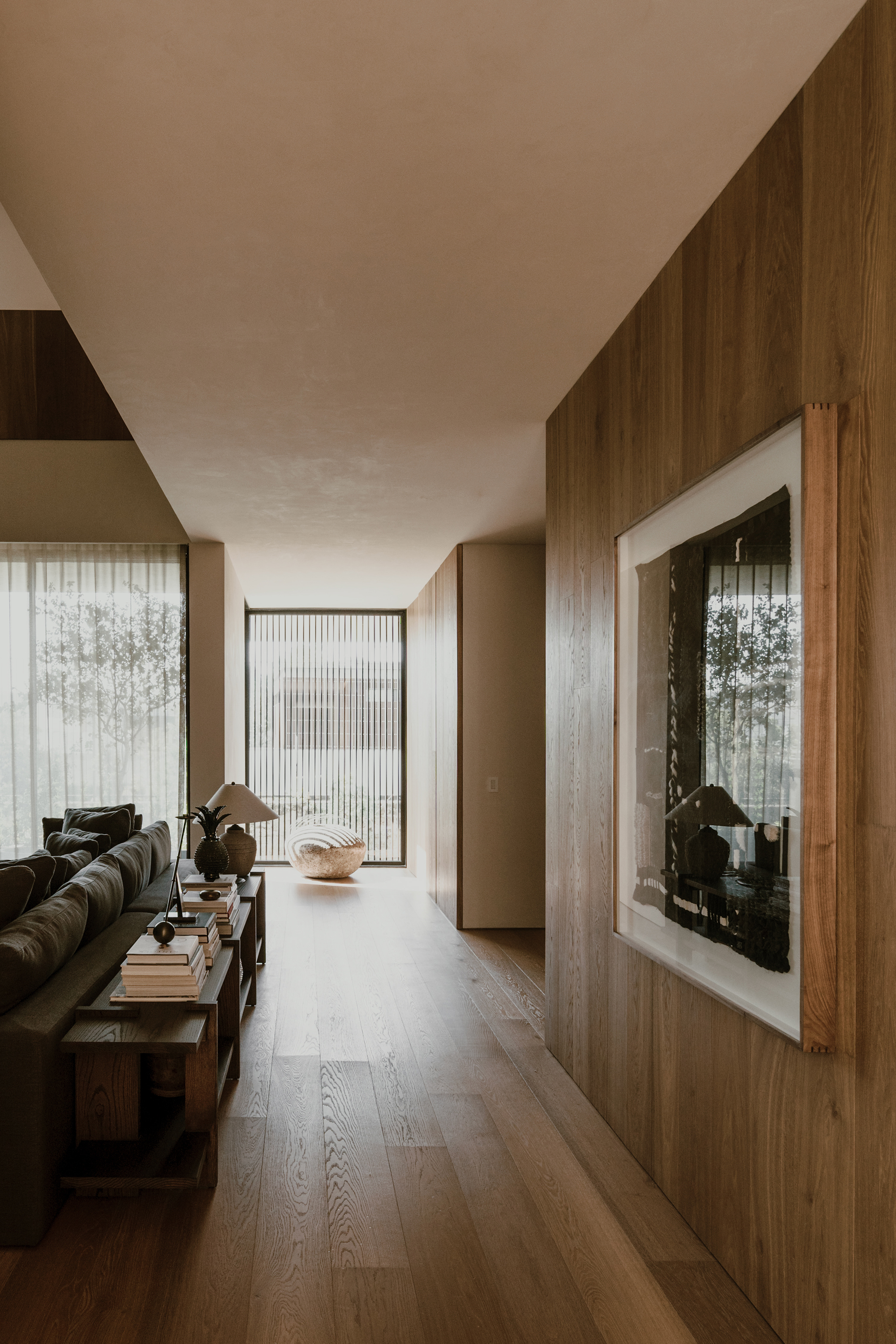
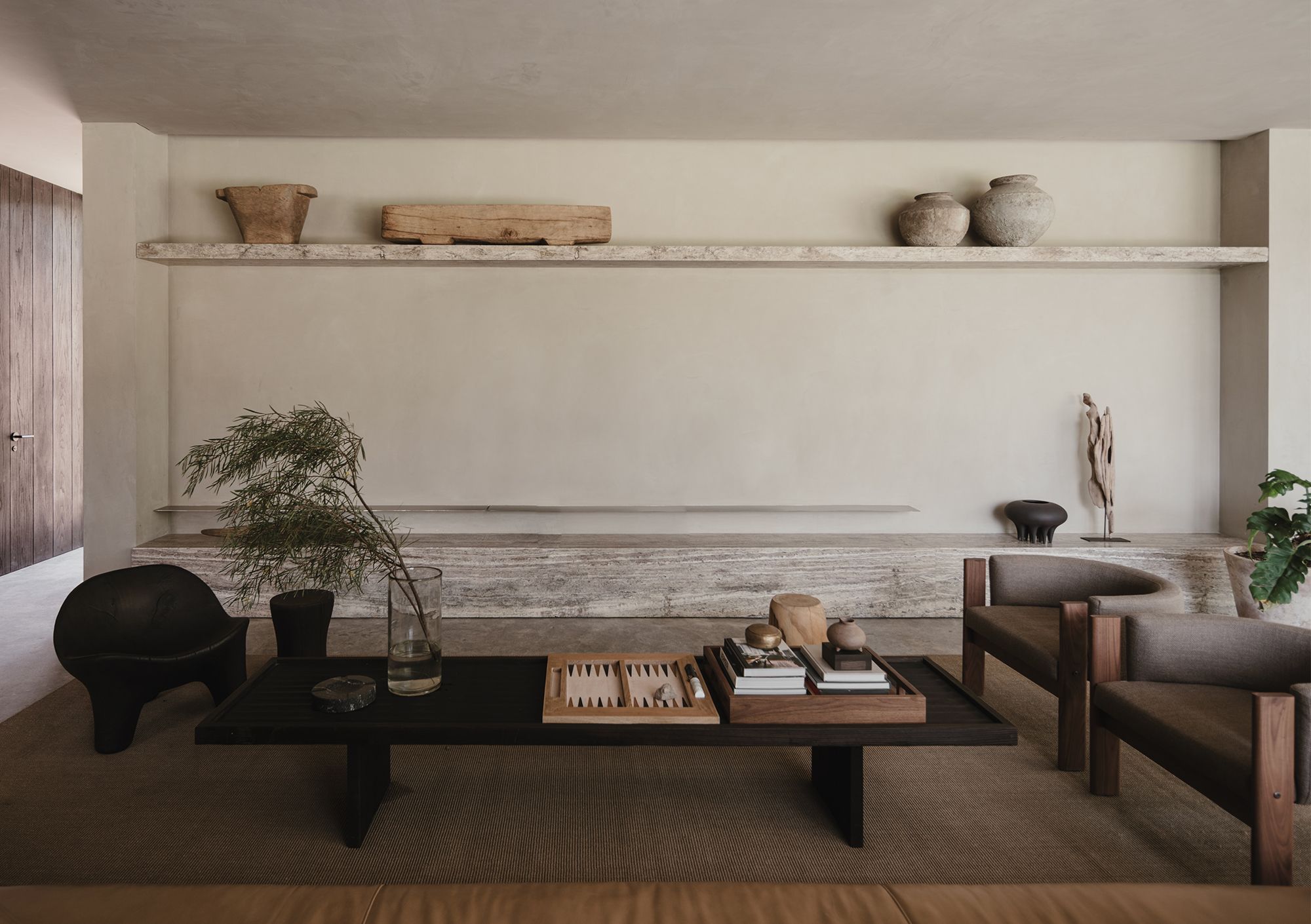
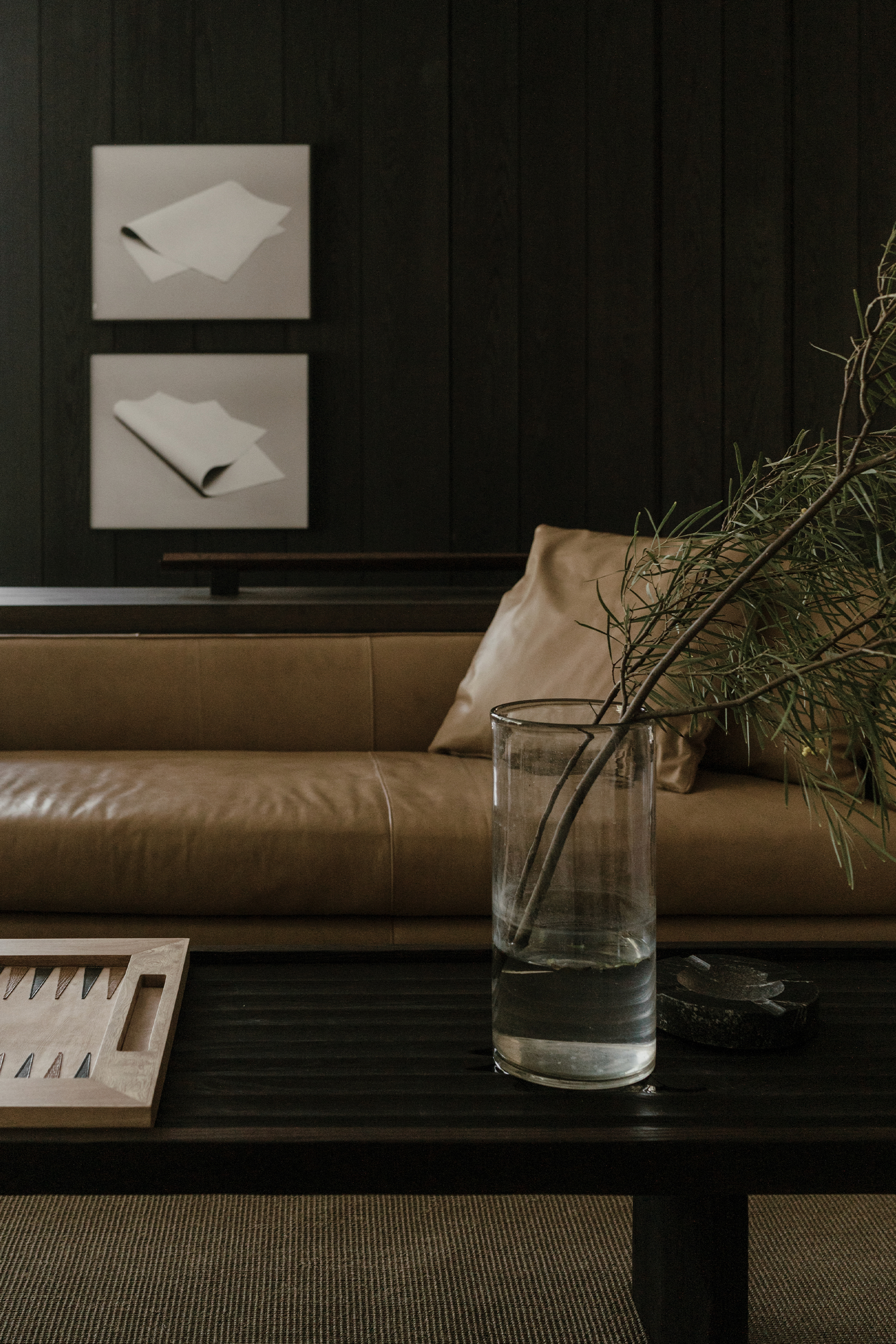
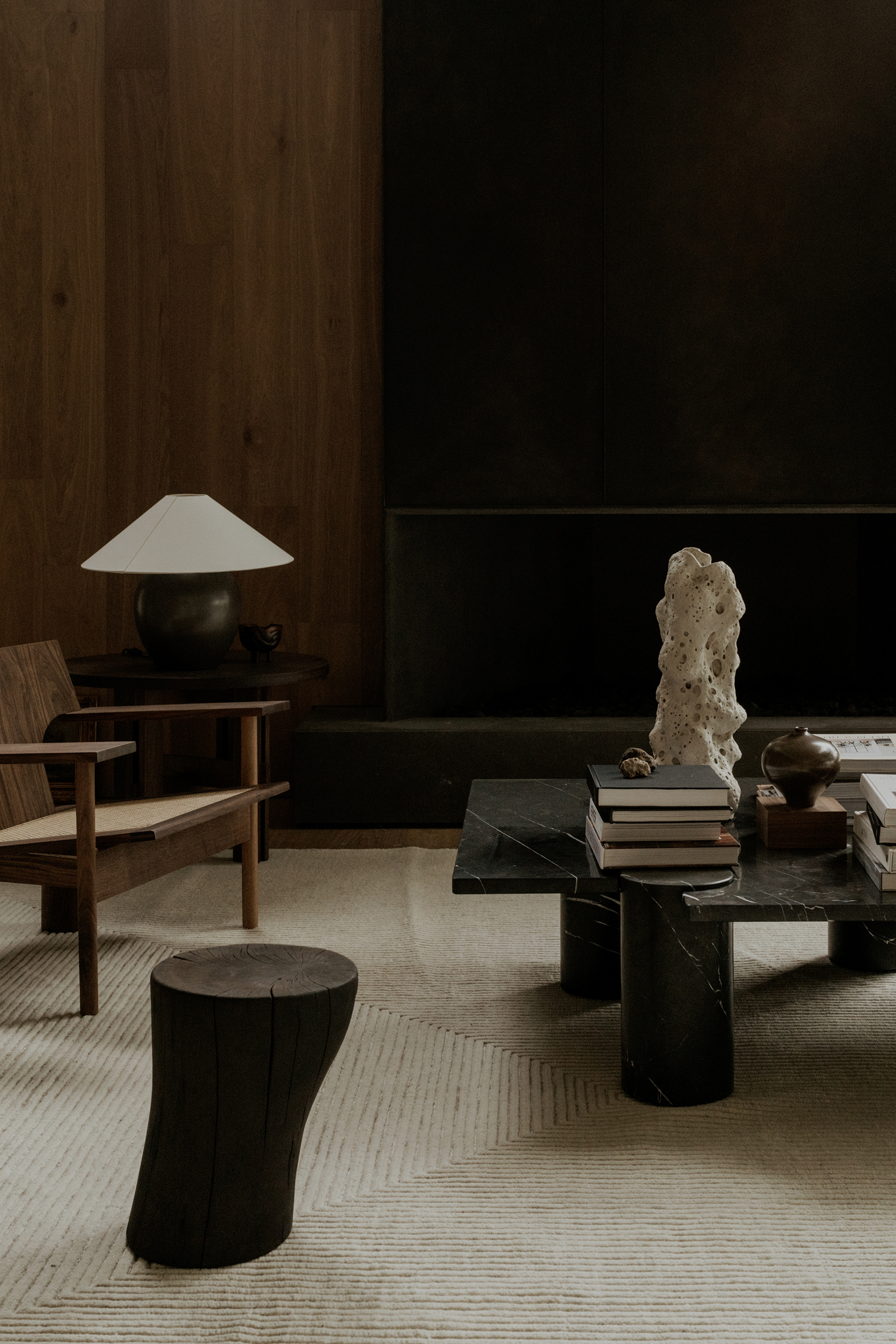
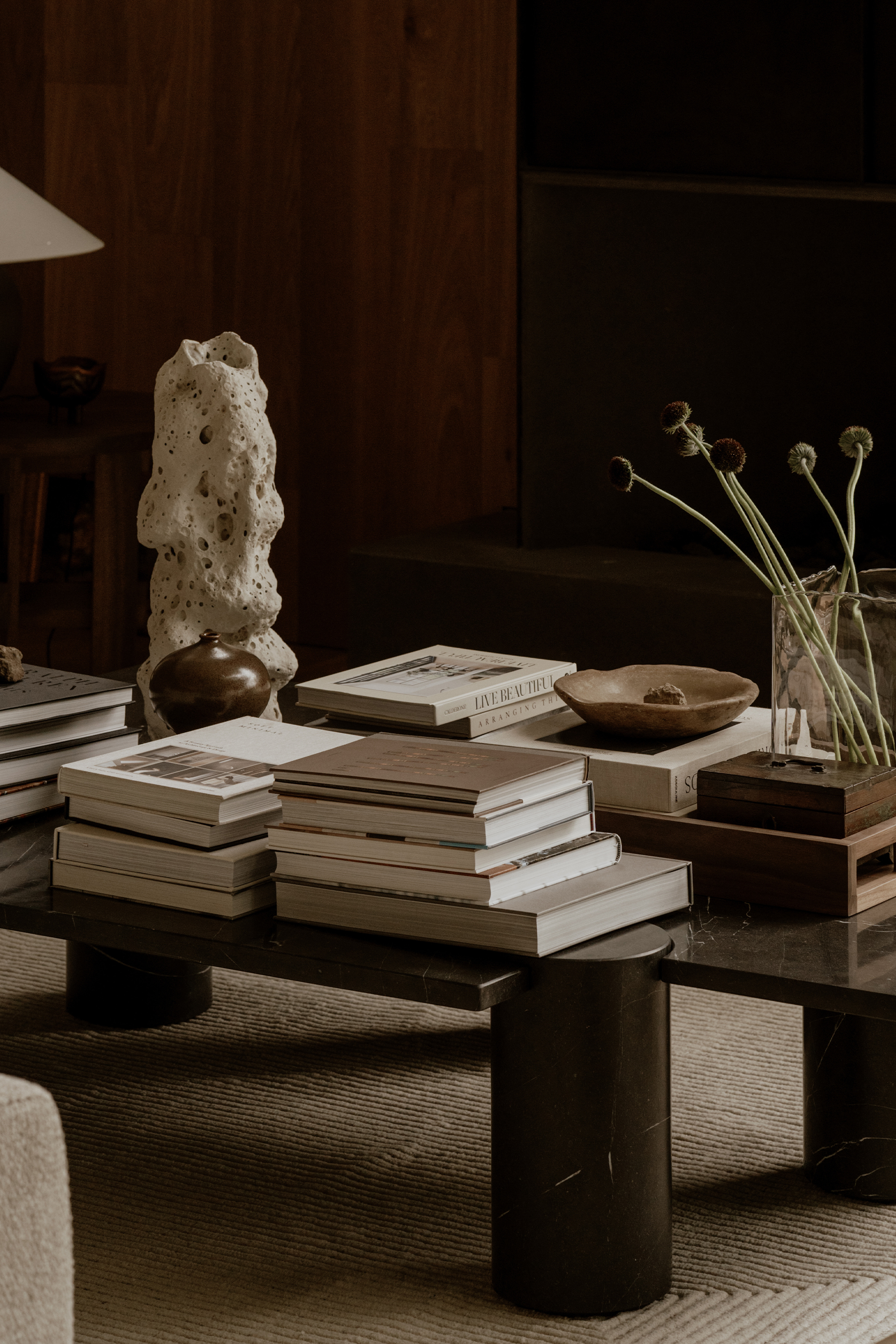
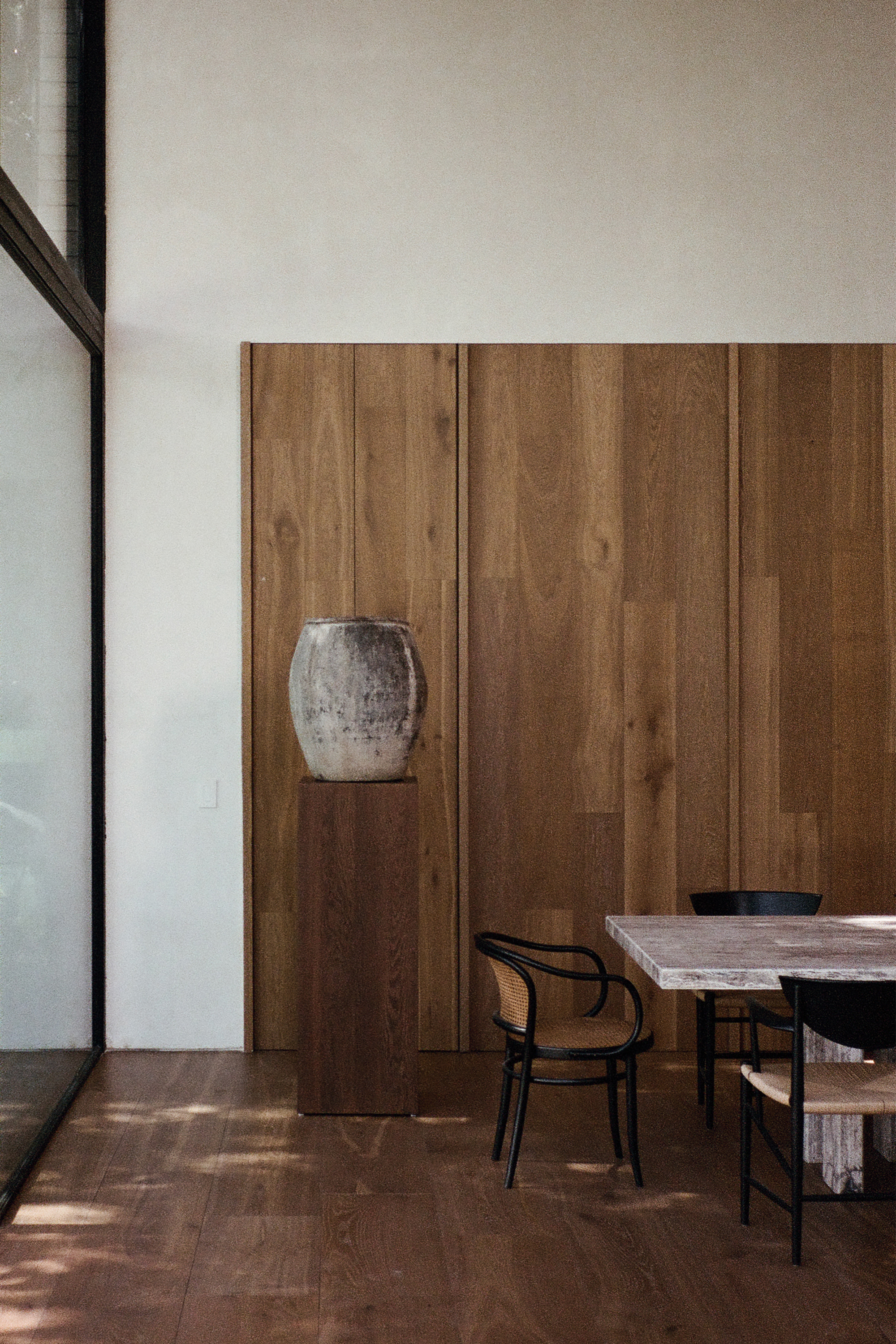
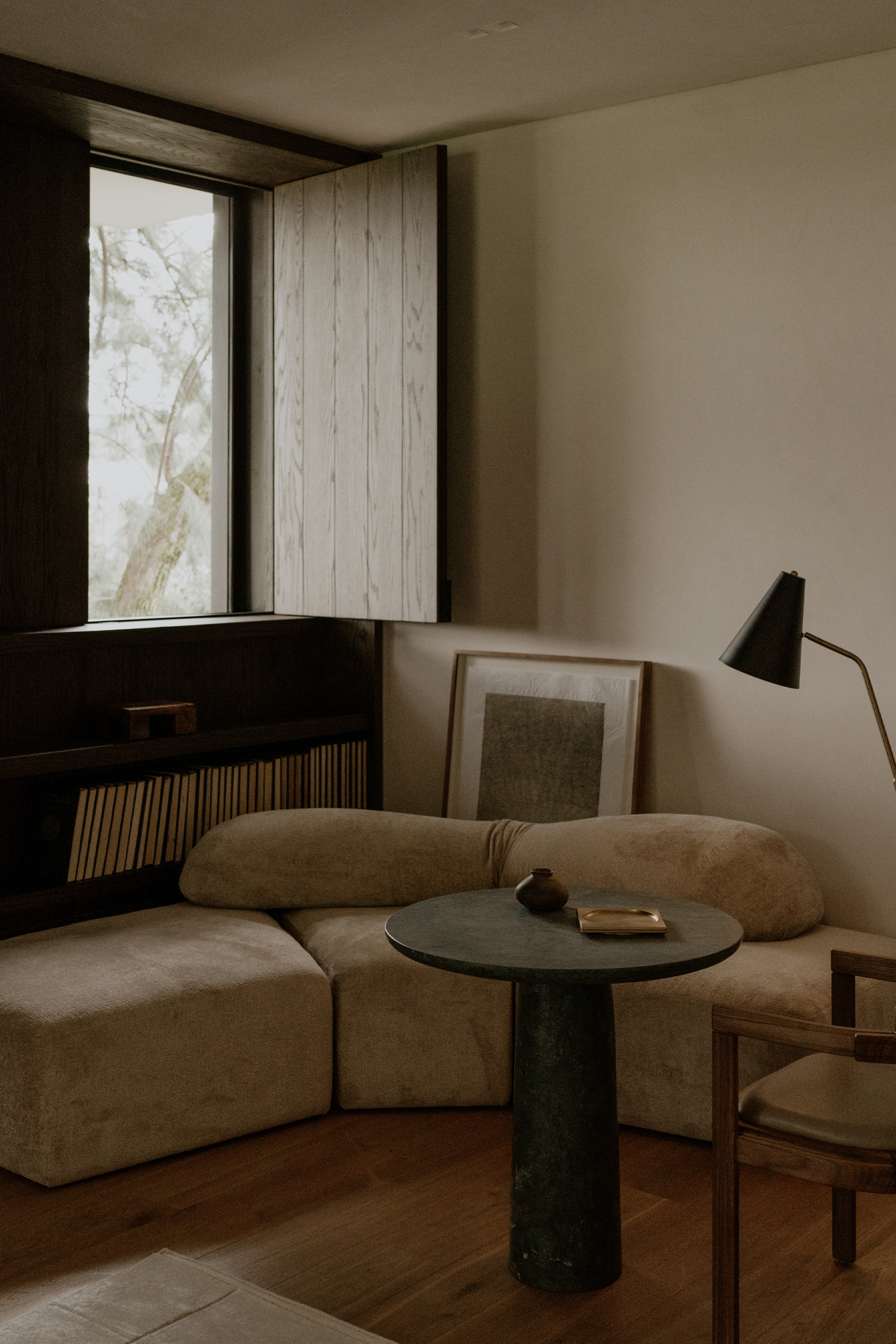
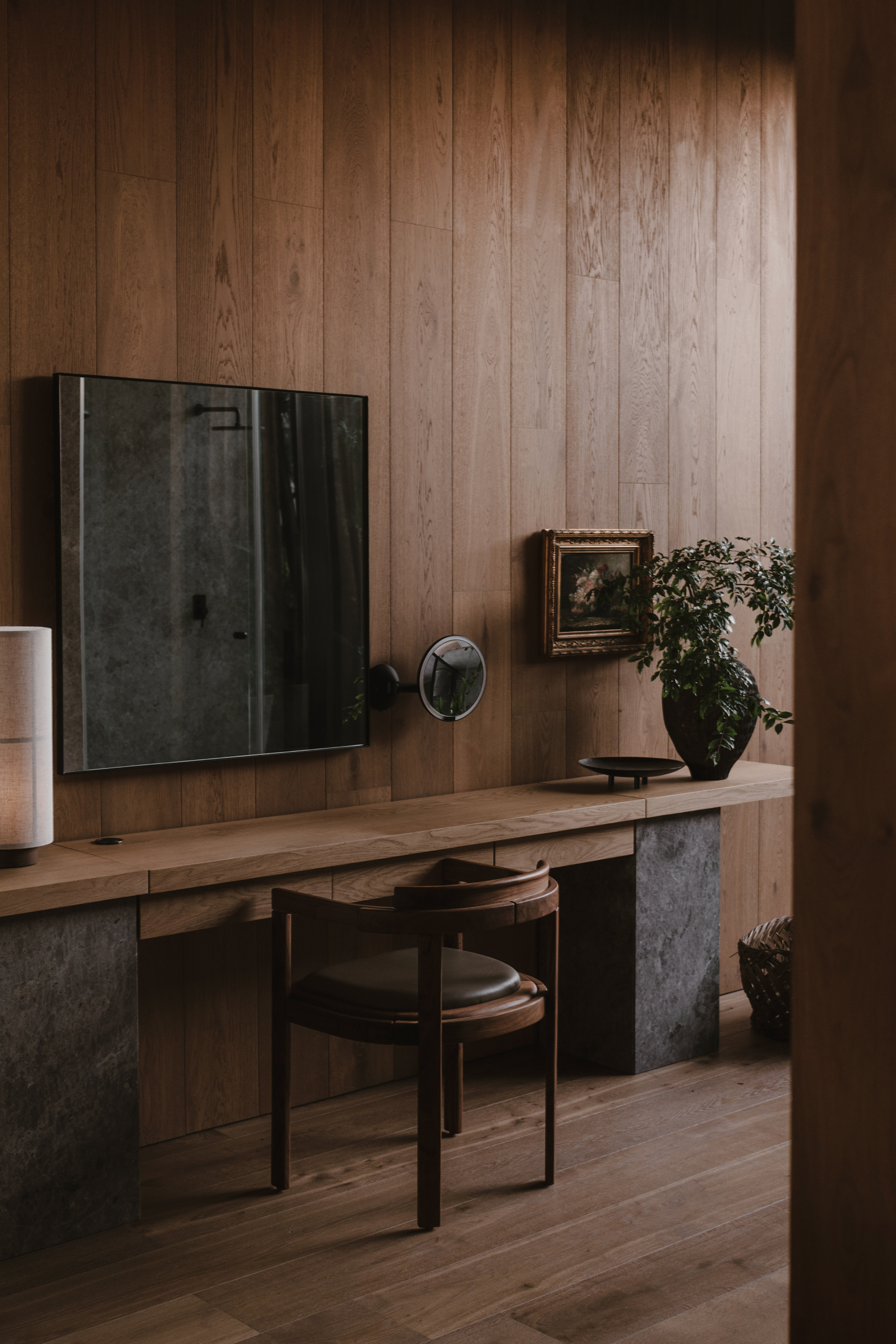
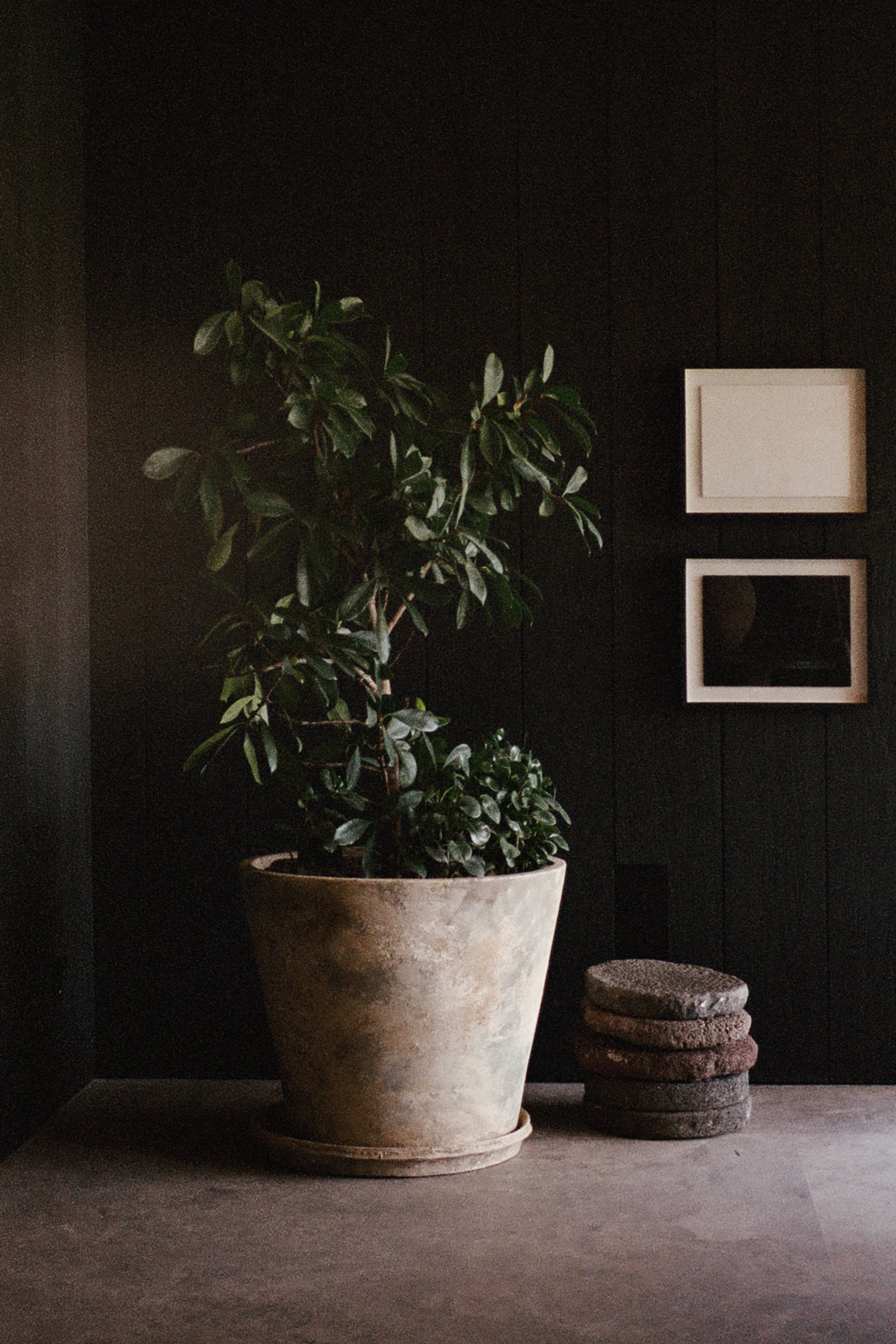
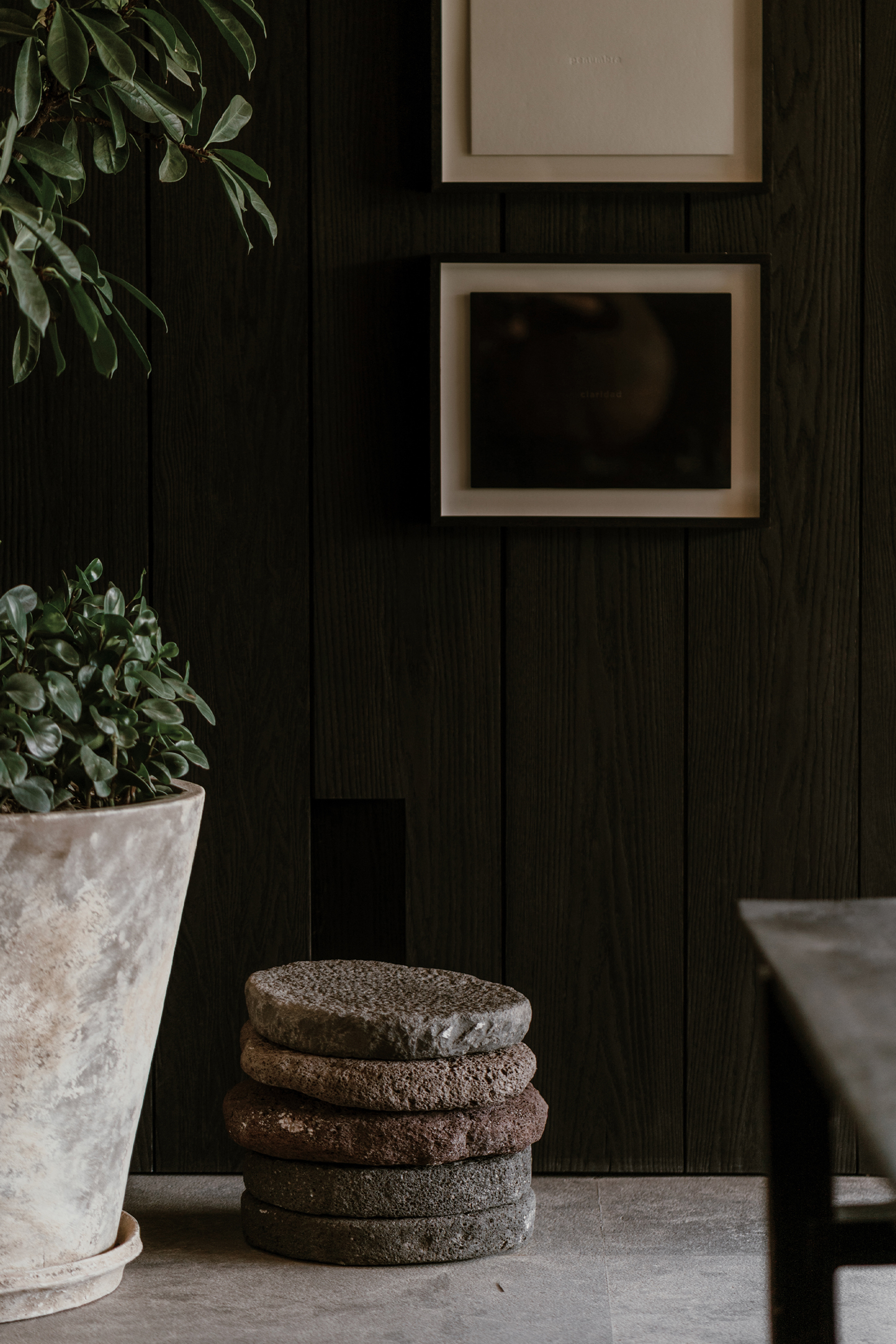
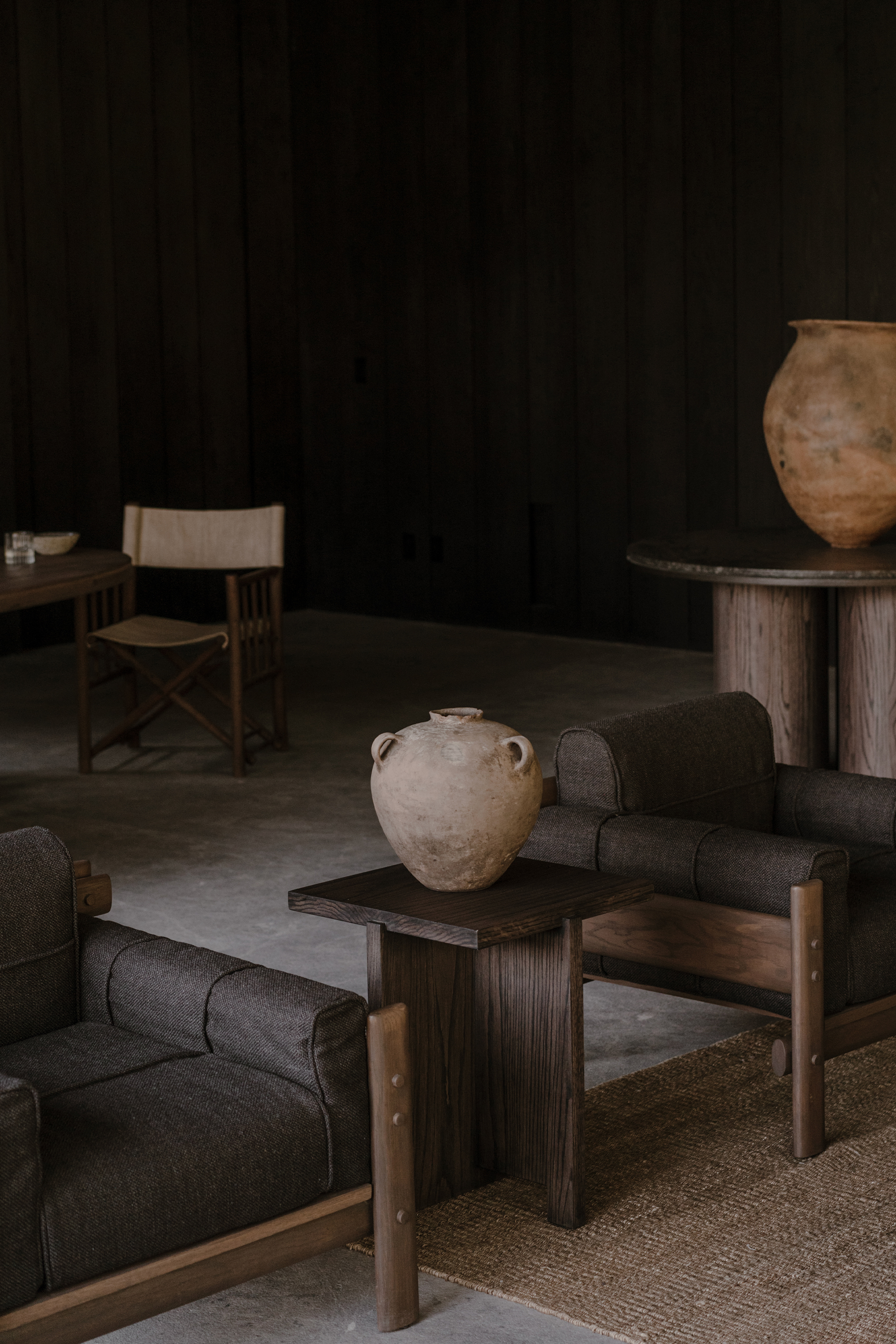
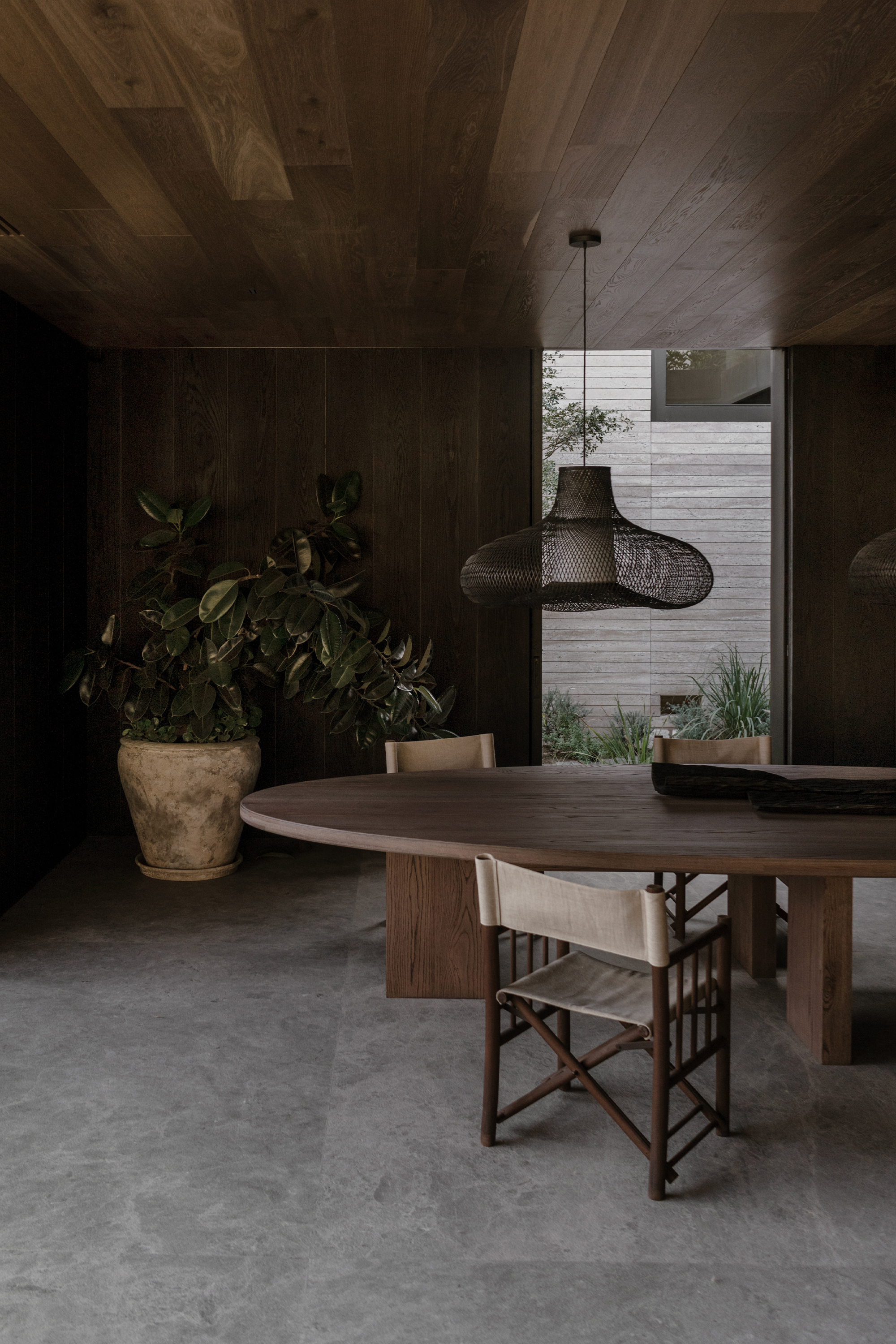
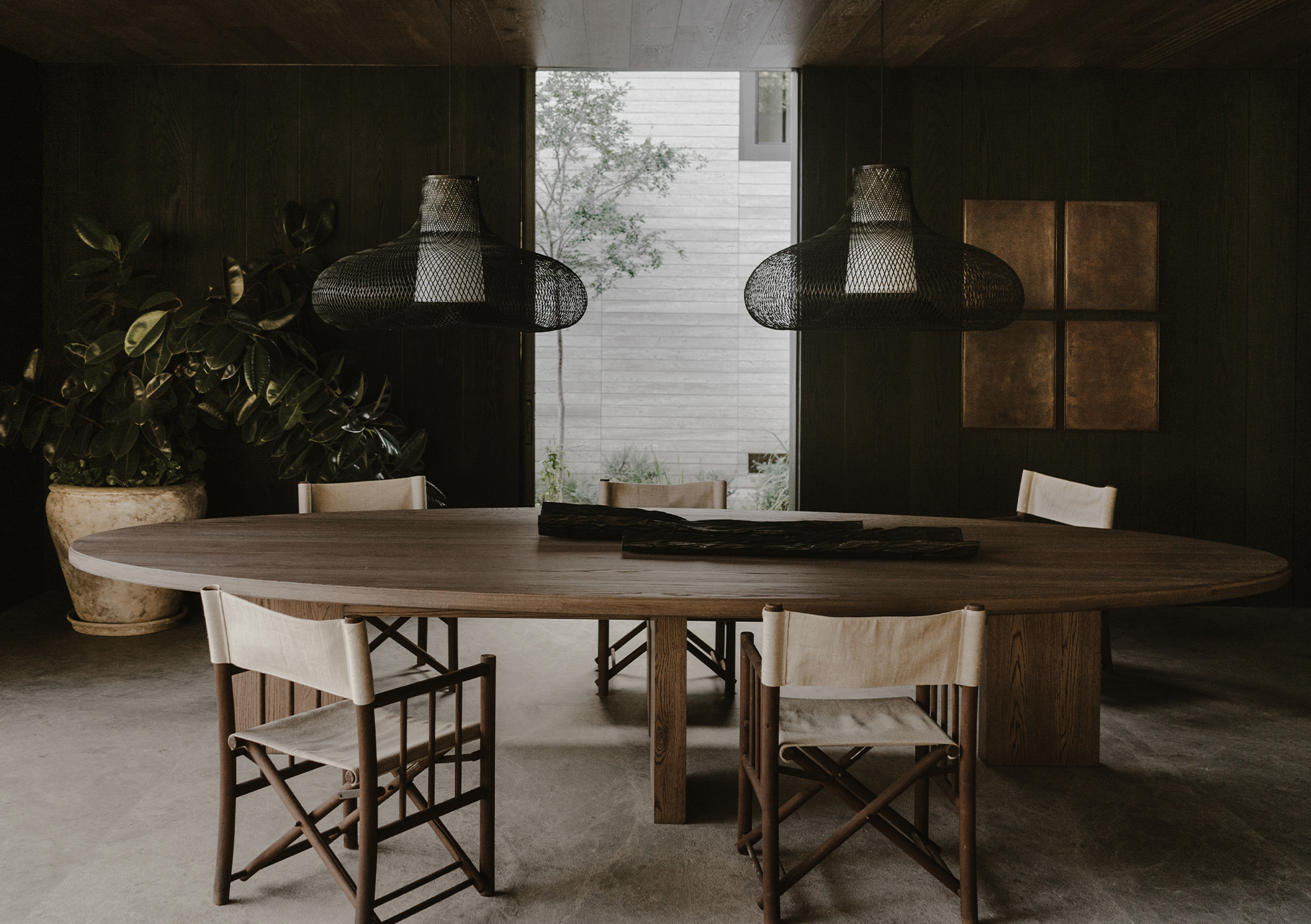
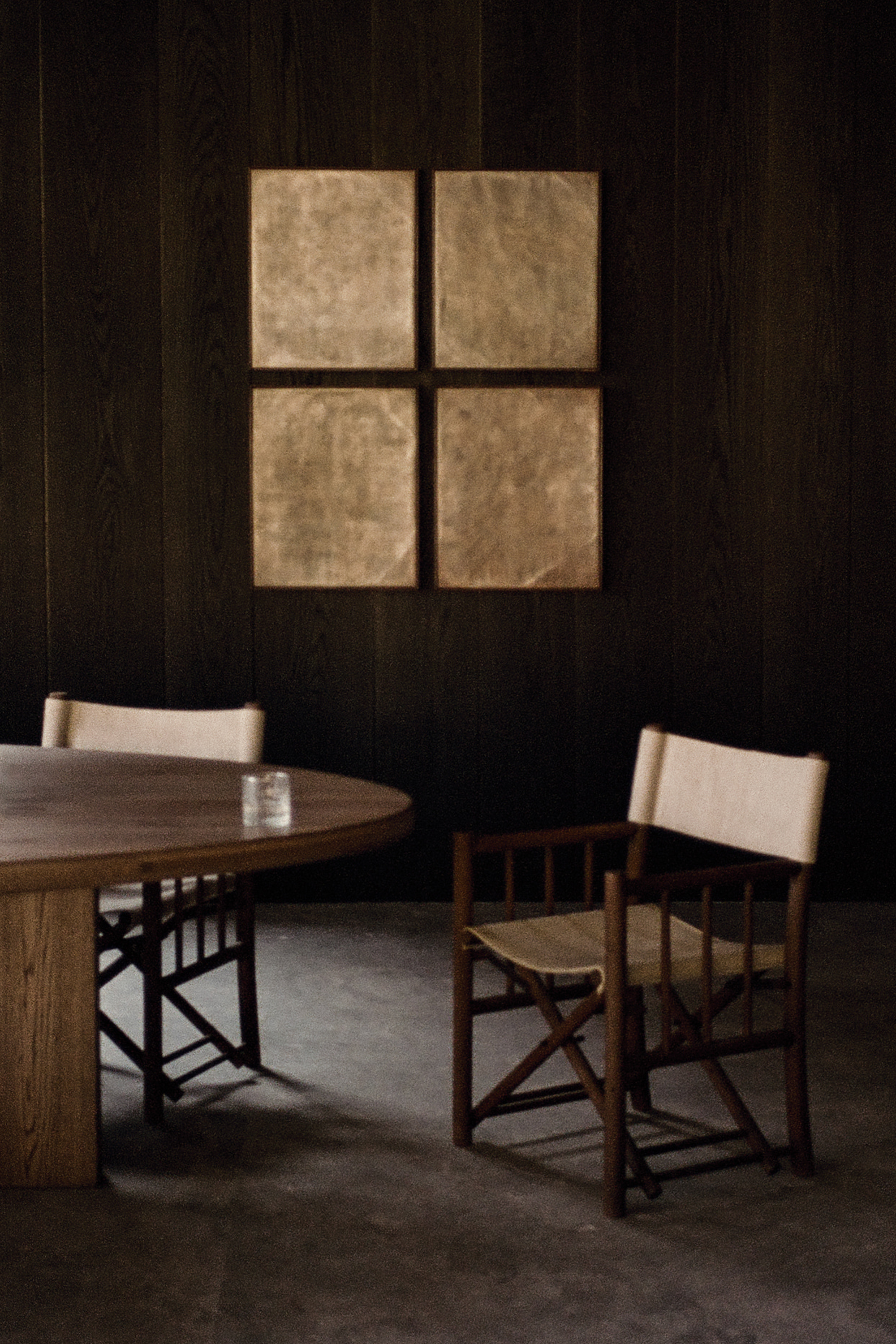
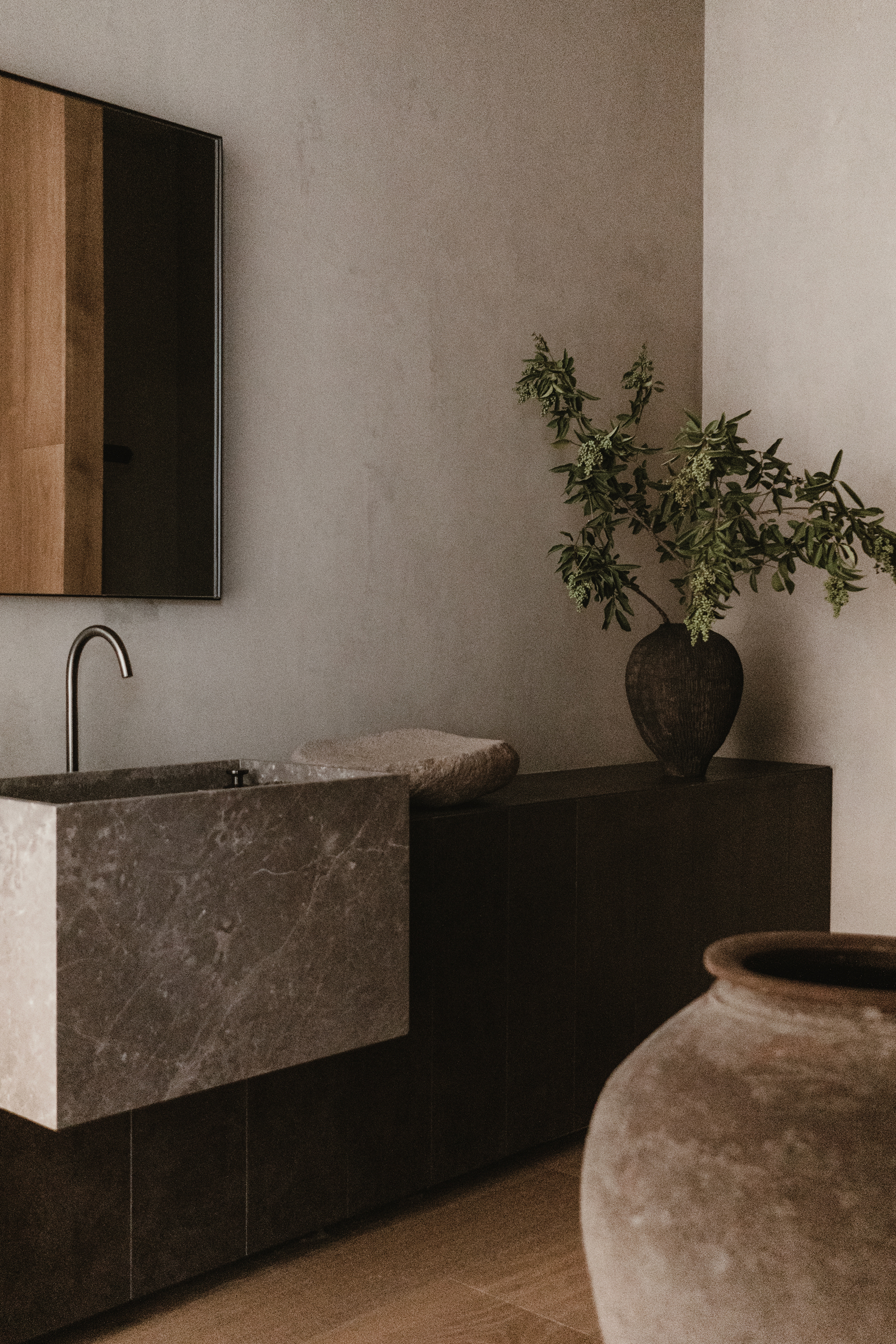
Dark wood, light marble, stucco walls, and metal are the most recurring materials in Casa CO, naturally creating tension with light, as if inviting it to shift between different states—to be absorbed, reflected, or softened. Yet what fascinates the studio most is precisely light’s untamable nature. As Aagnes Studio explains, “Light cannot always be choreographed. When it behaves in unexpected ways, it becomes a quiet and captivating spectacle—one that can only truly be witnessed through attention.”
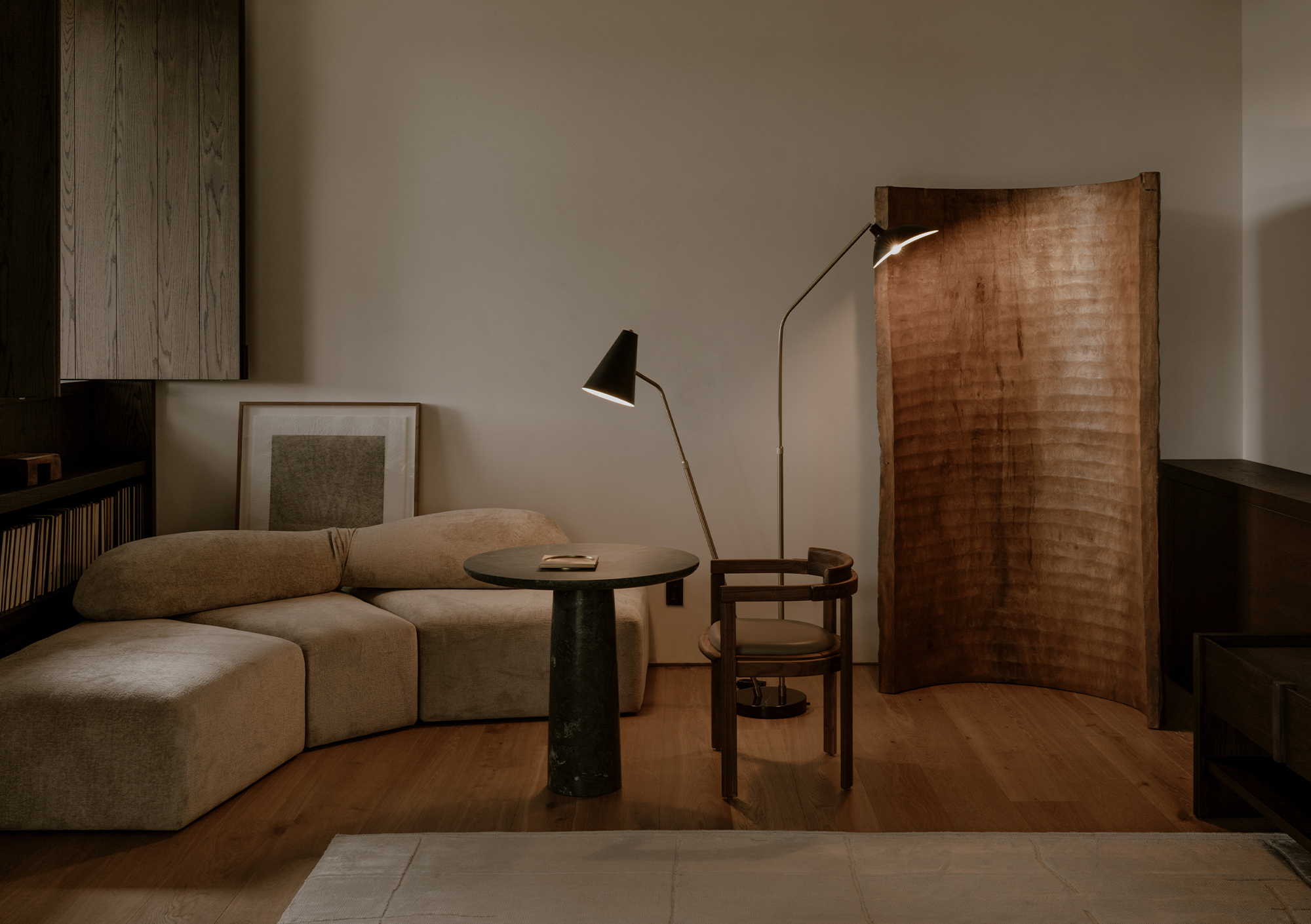
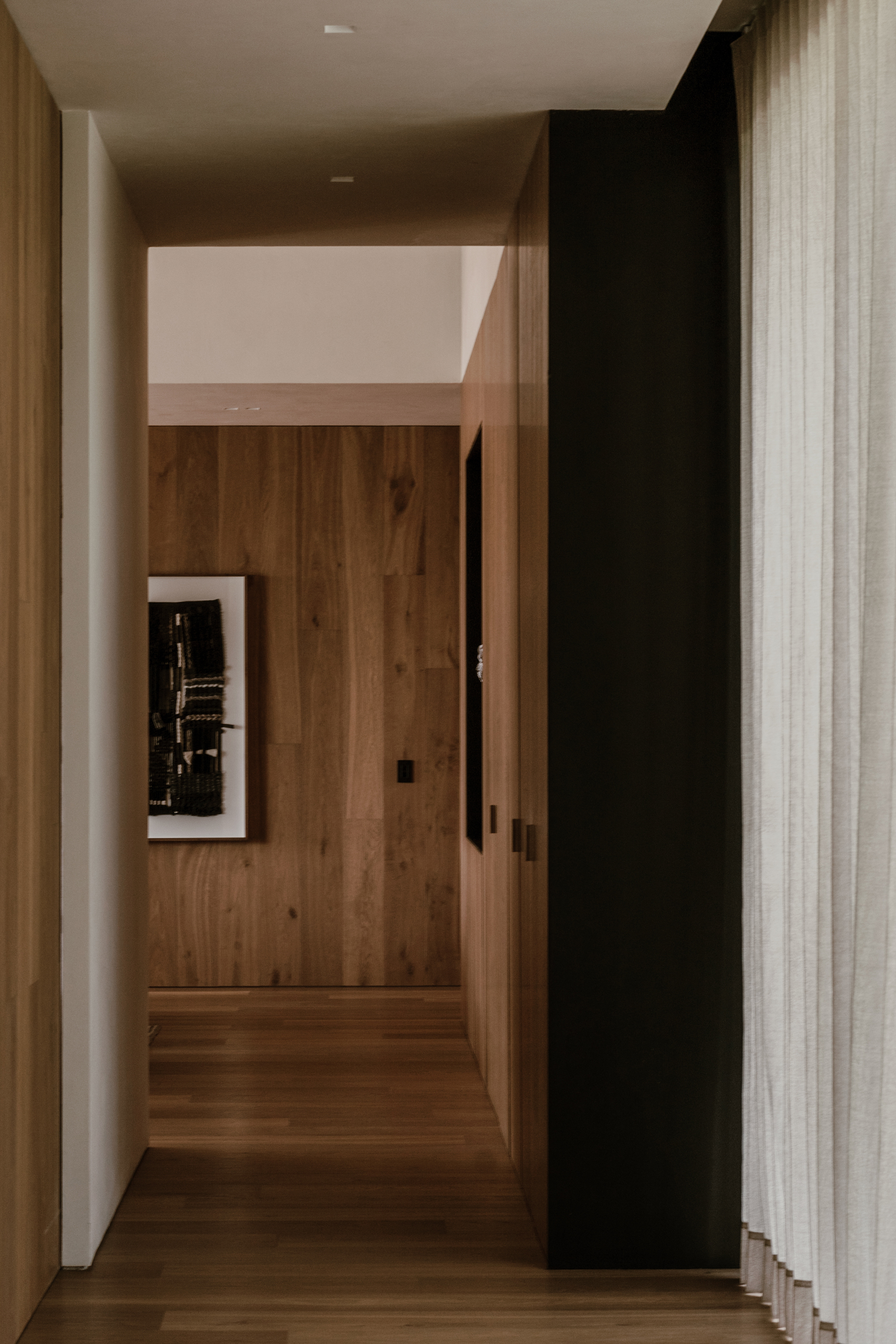
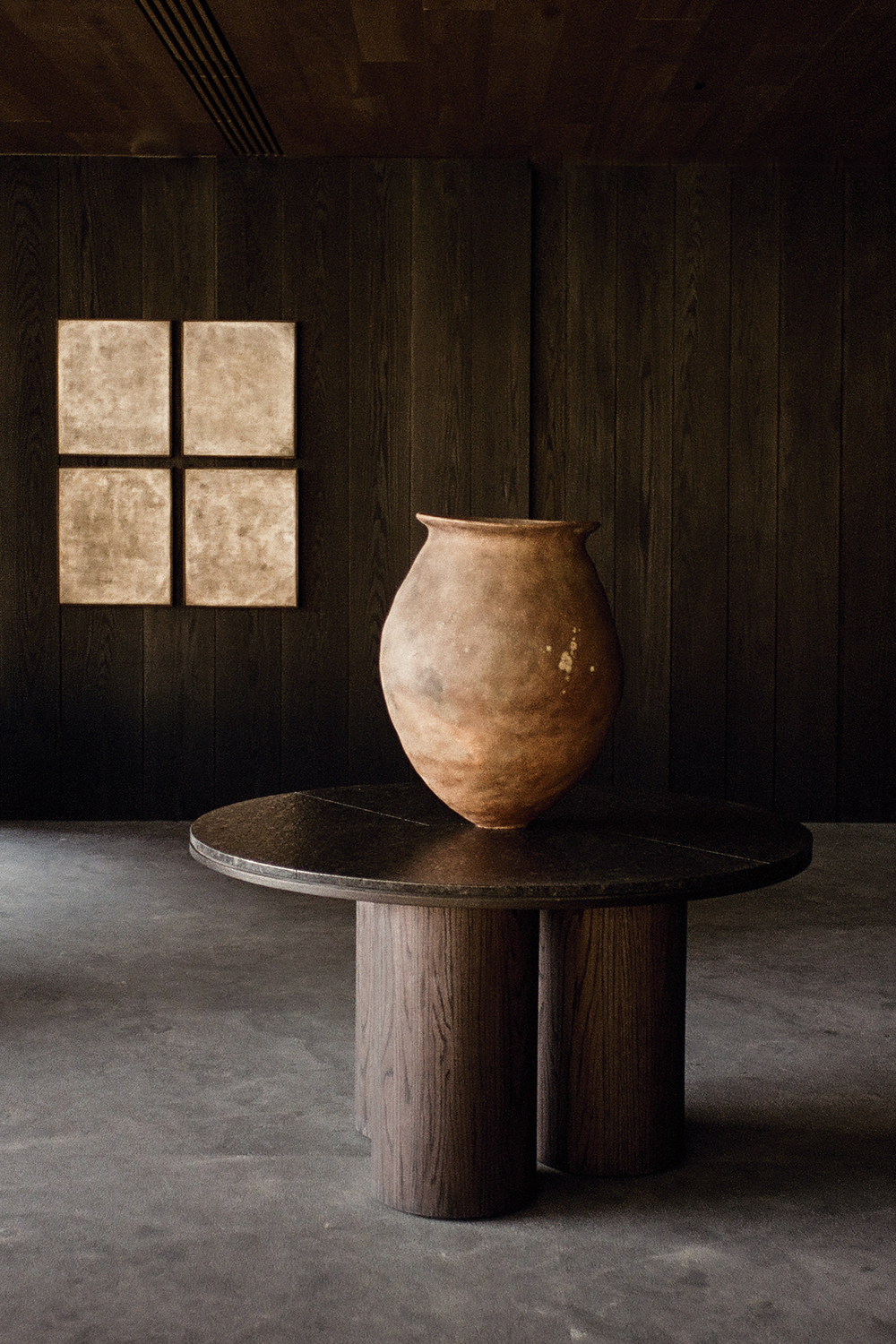
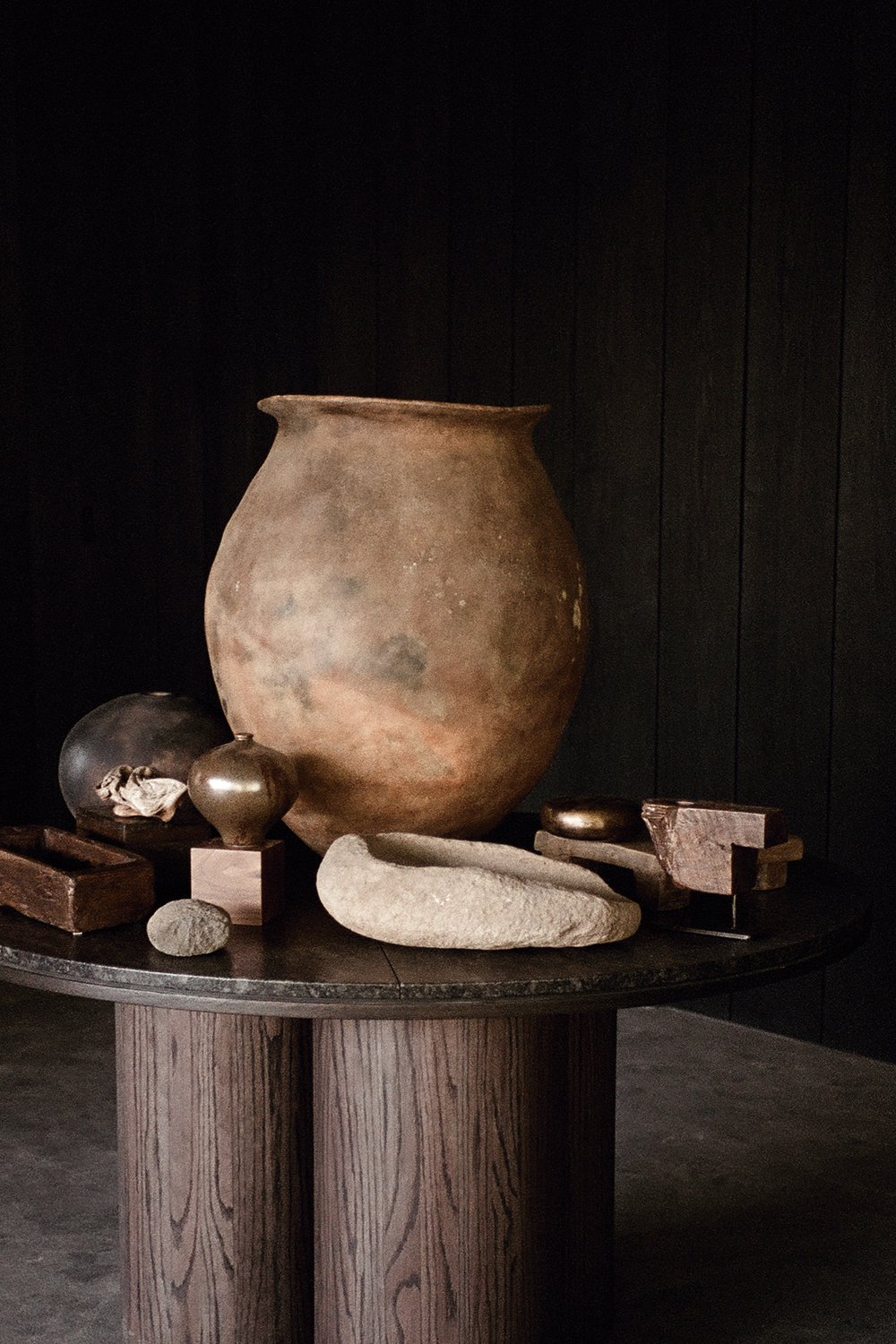
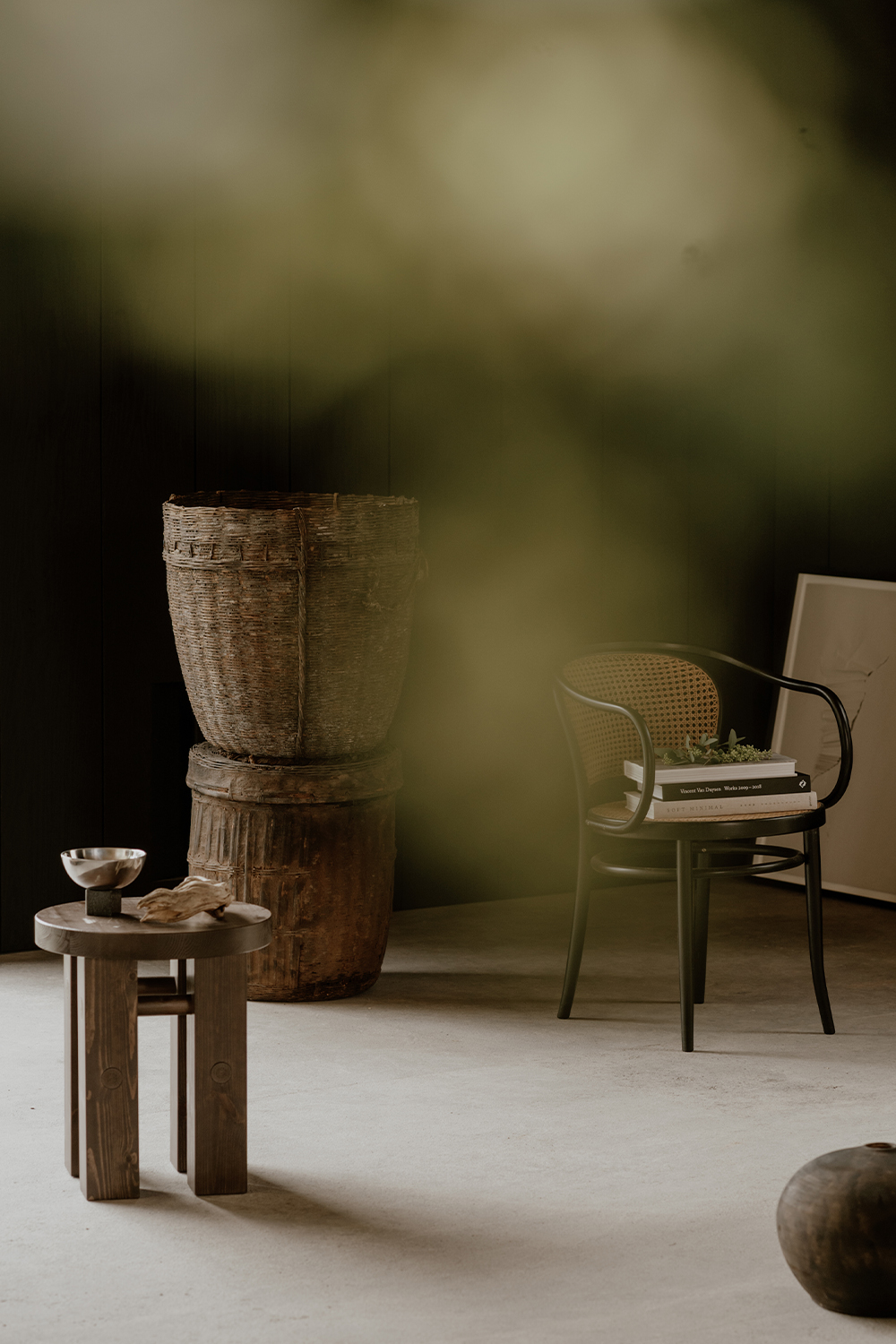
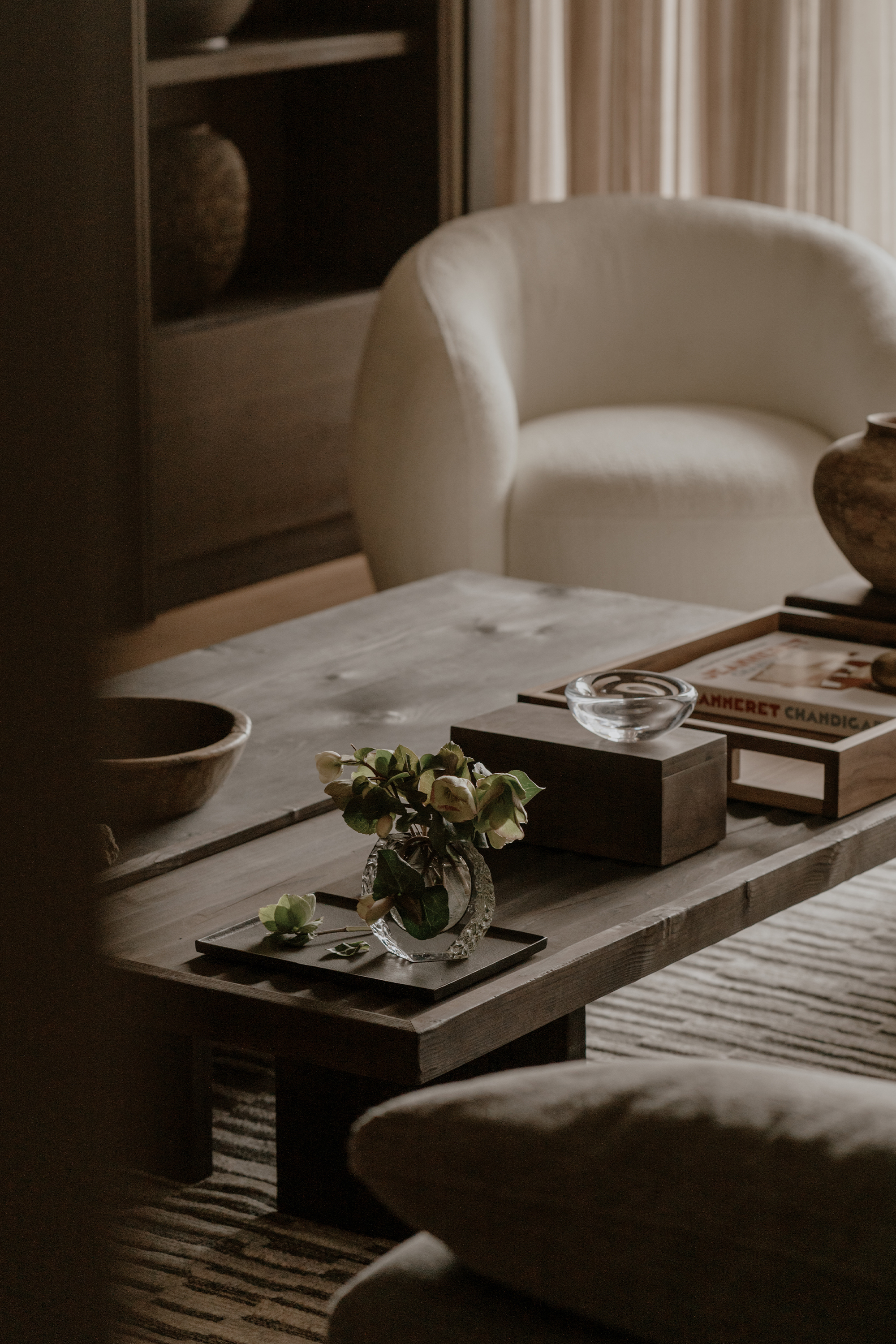
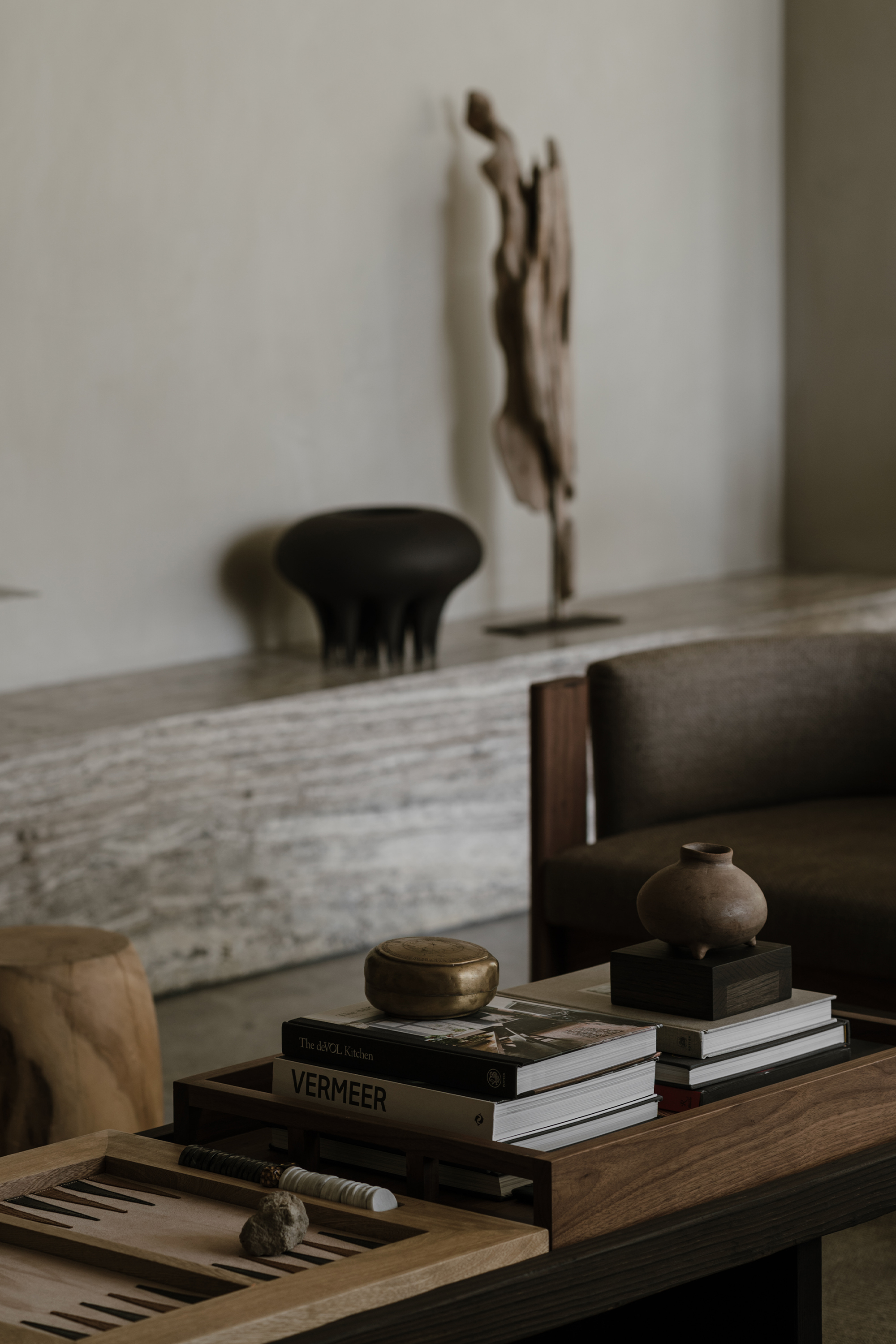
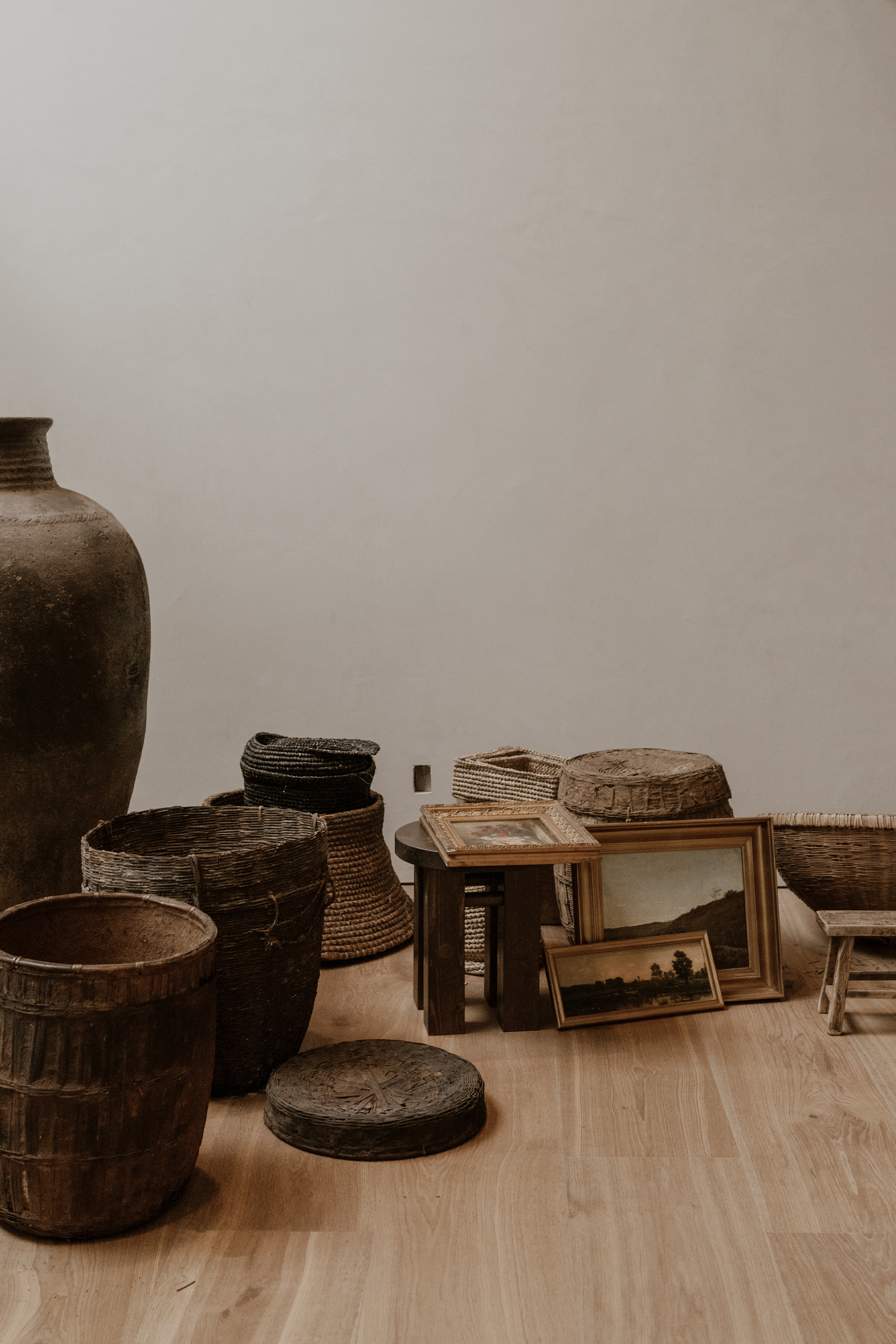
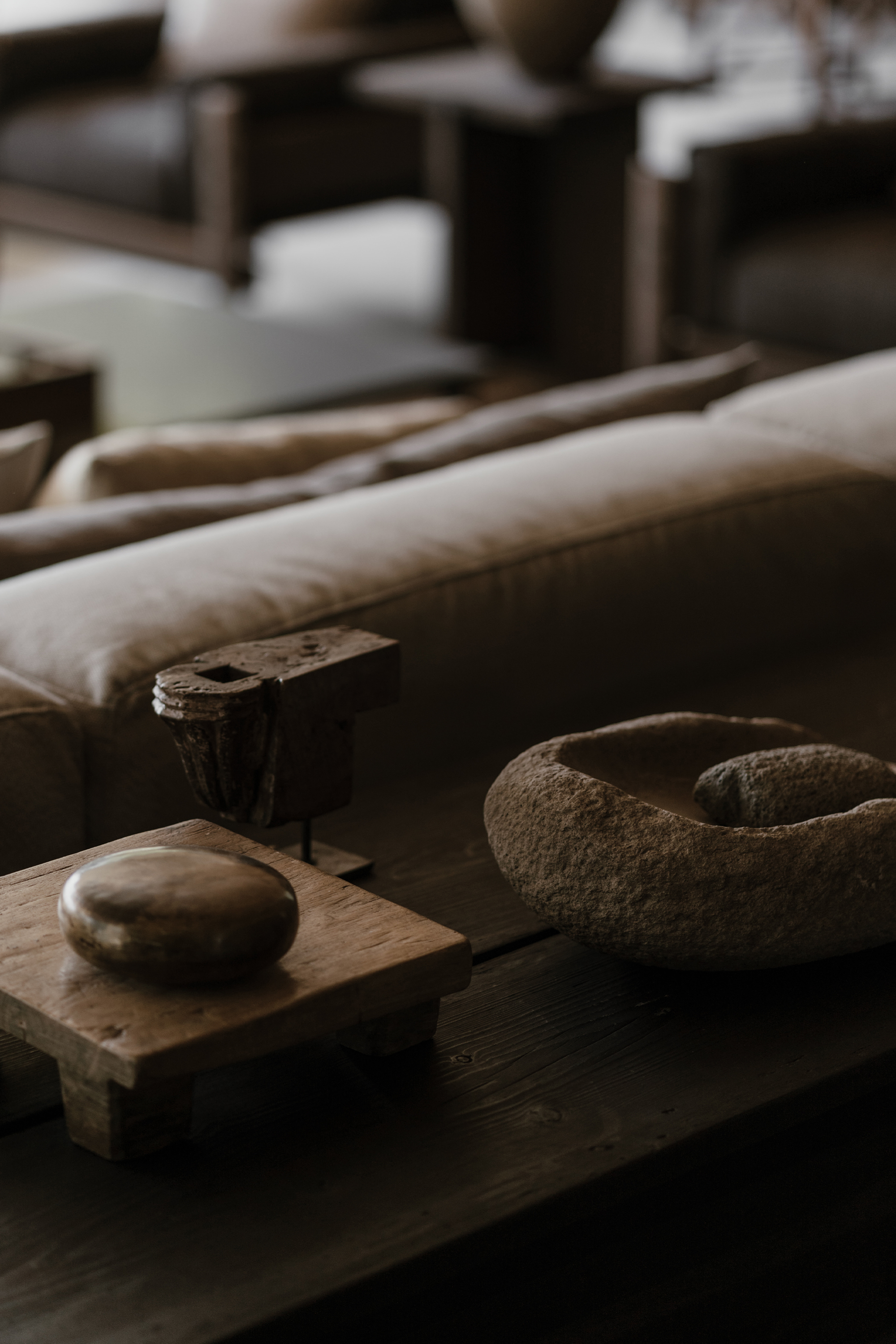
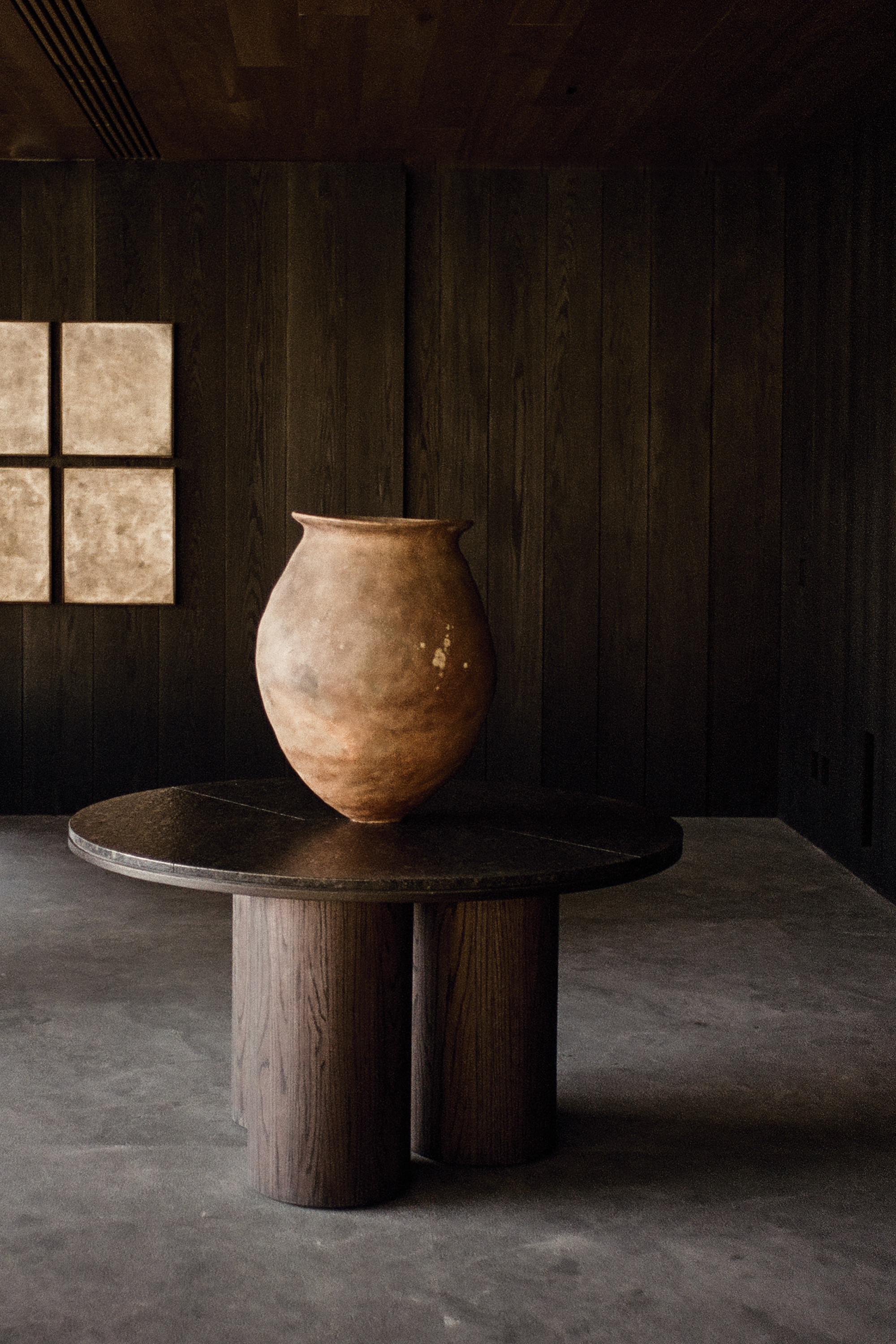
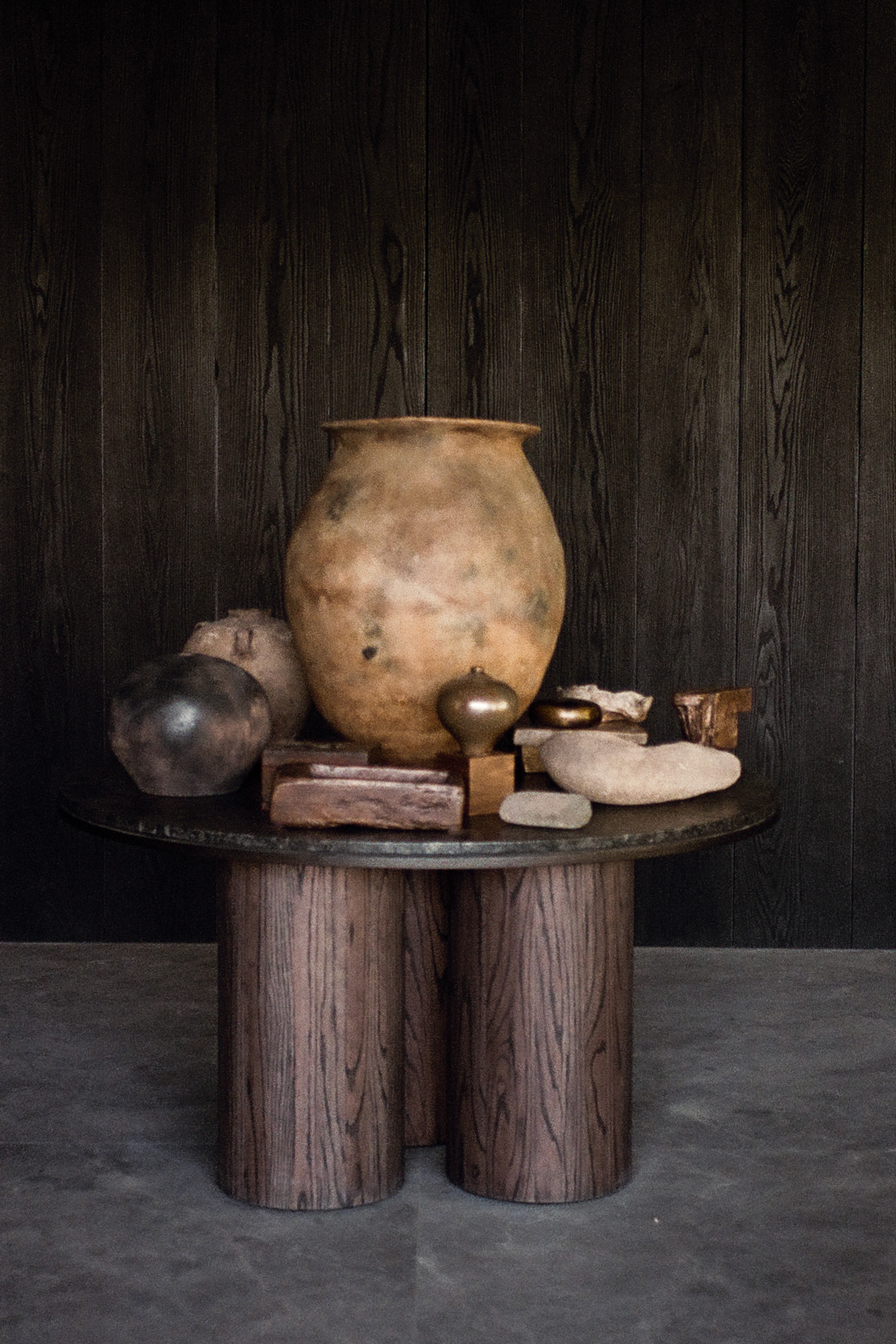
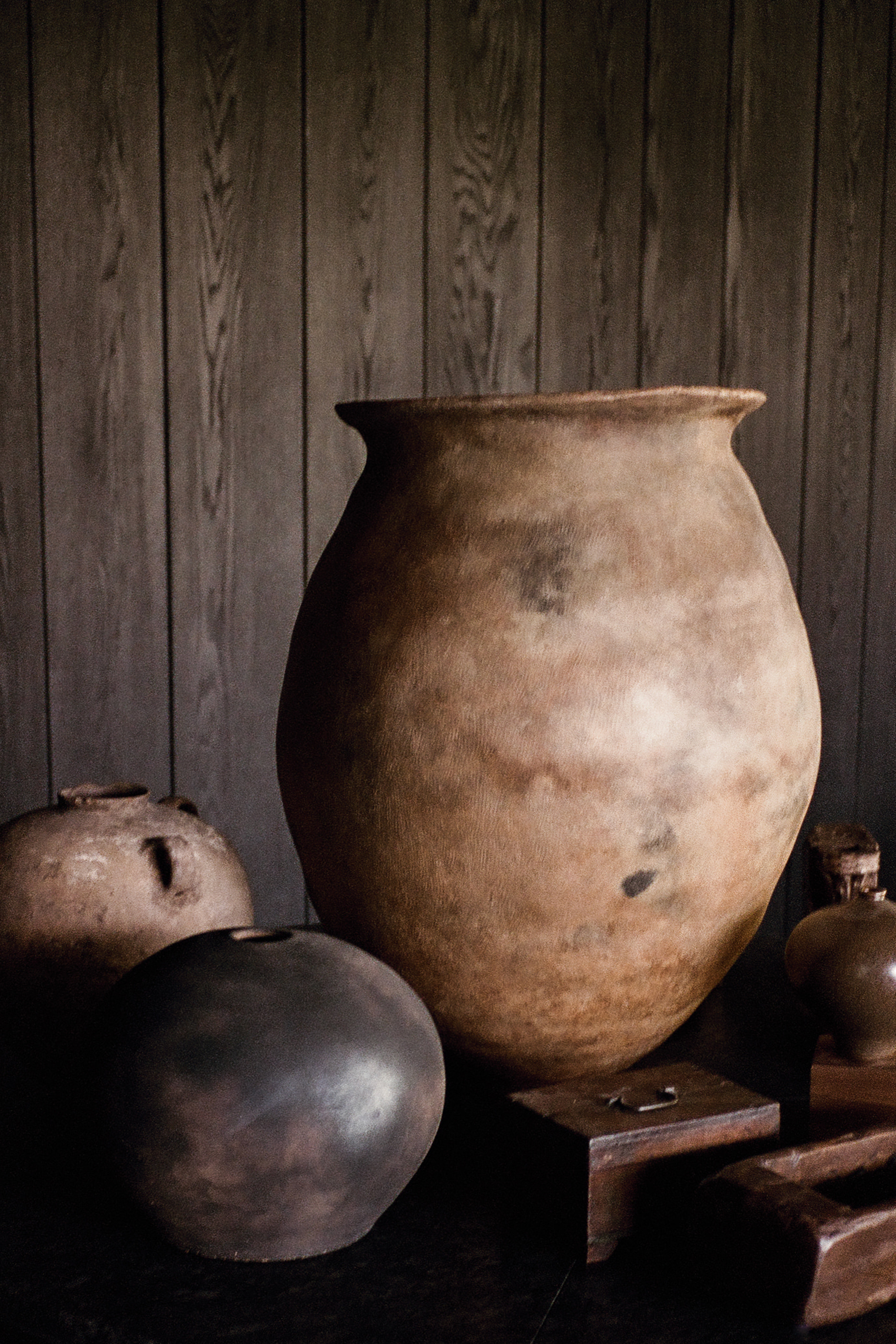
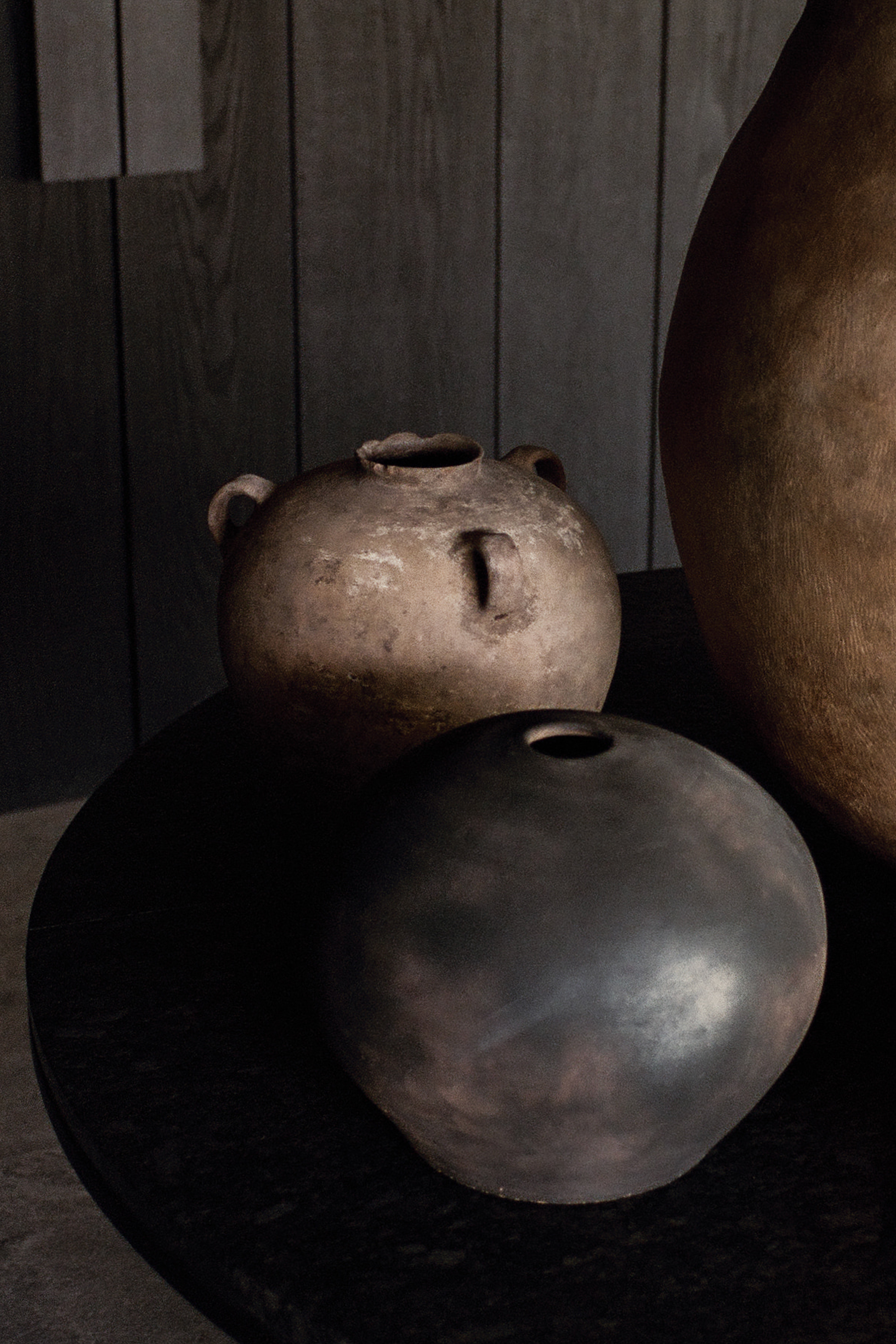
In their furniture practice, Aagnes Studio emphasizes close collaboration with local artisans and workshops—an essential part of their creative process. The artisans’ skills, knowledge, and dedication are deeply respected and imbue each piece with a palpable sense of care and craftsmanship. Every detail reflects the warmth and expertise of the hands behind it, and this close relationship ultimately enriches the work itself, allowing it to carry both cultural resonance and refined artistry.

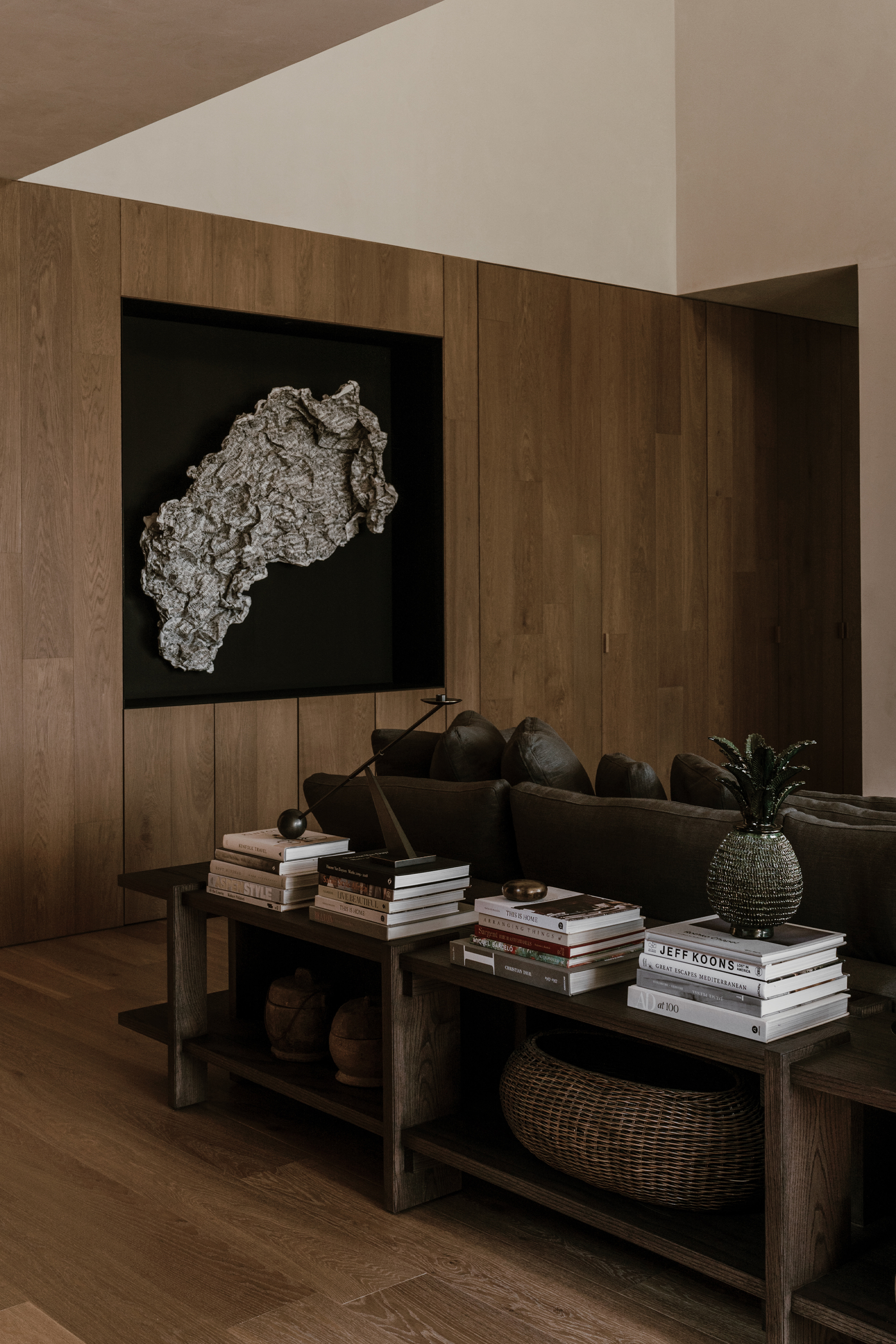
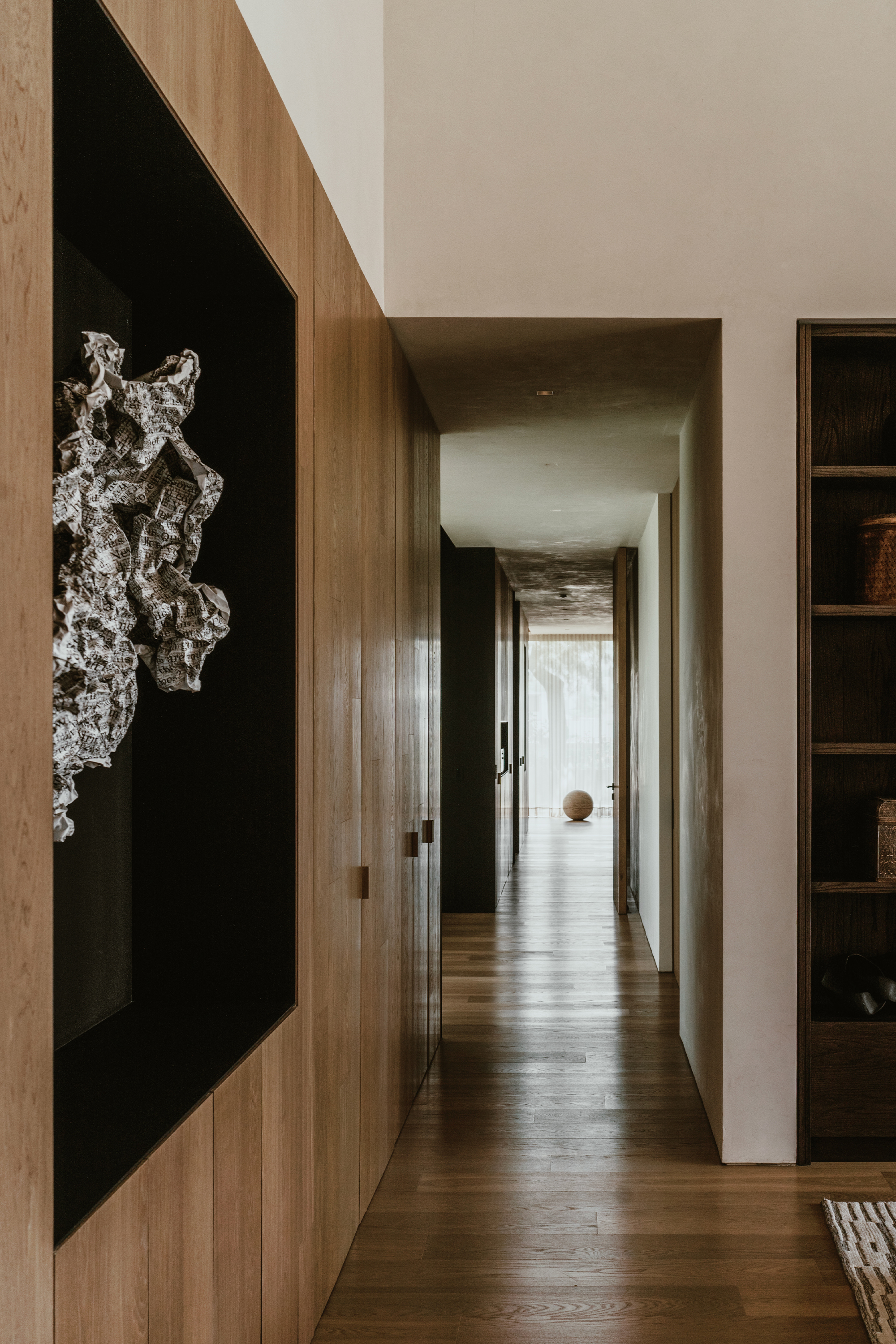
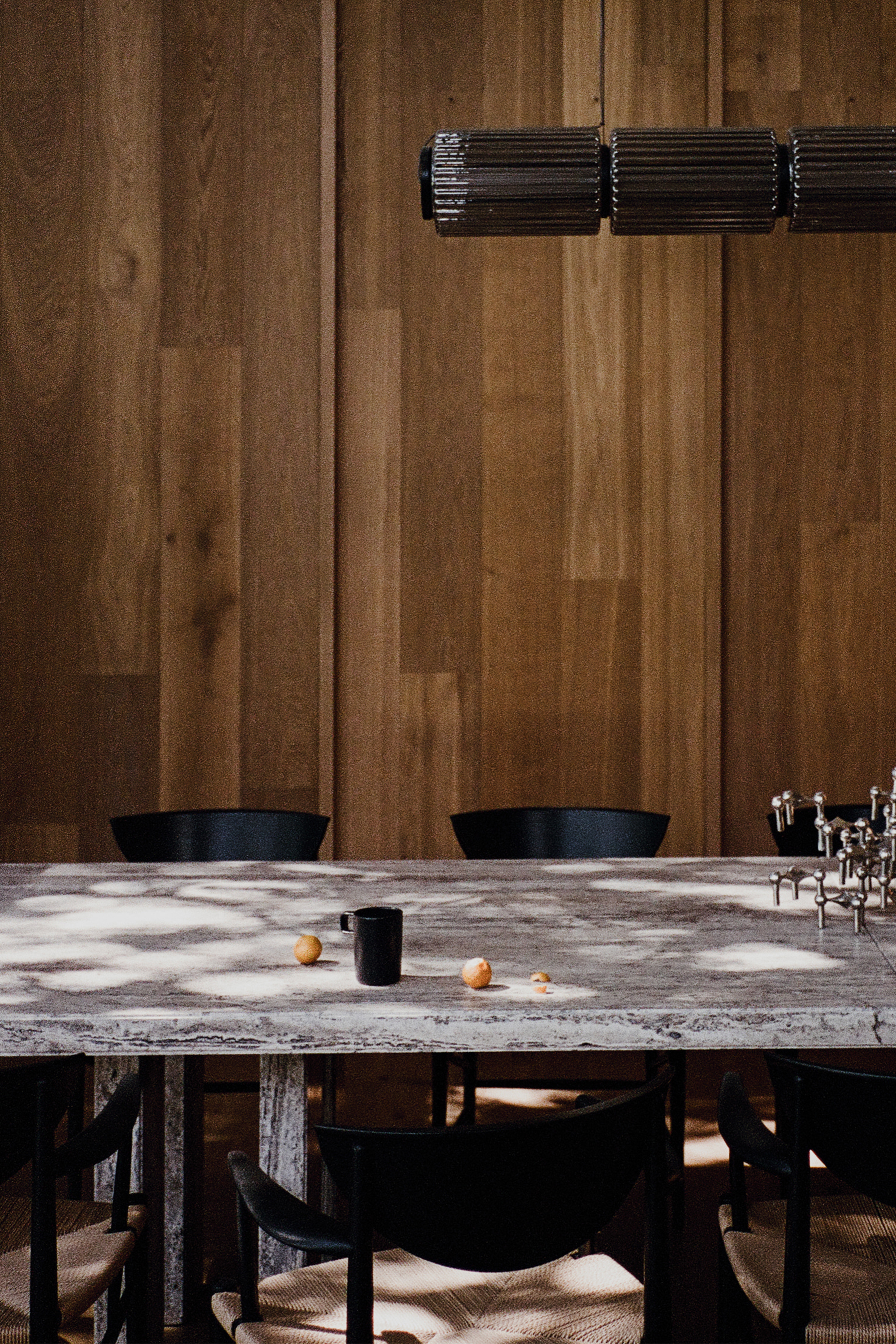
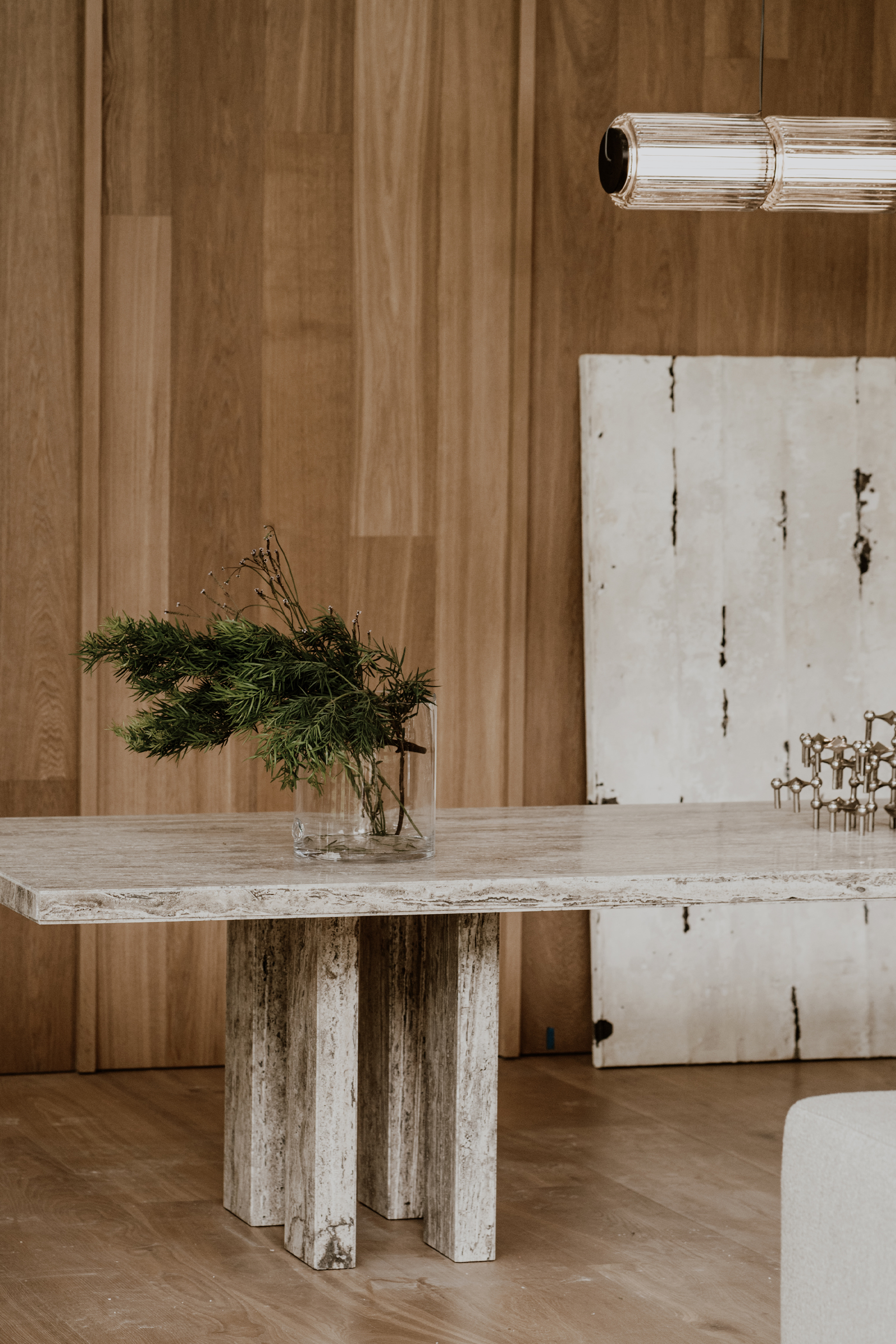
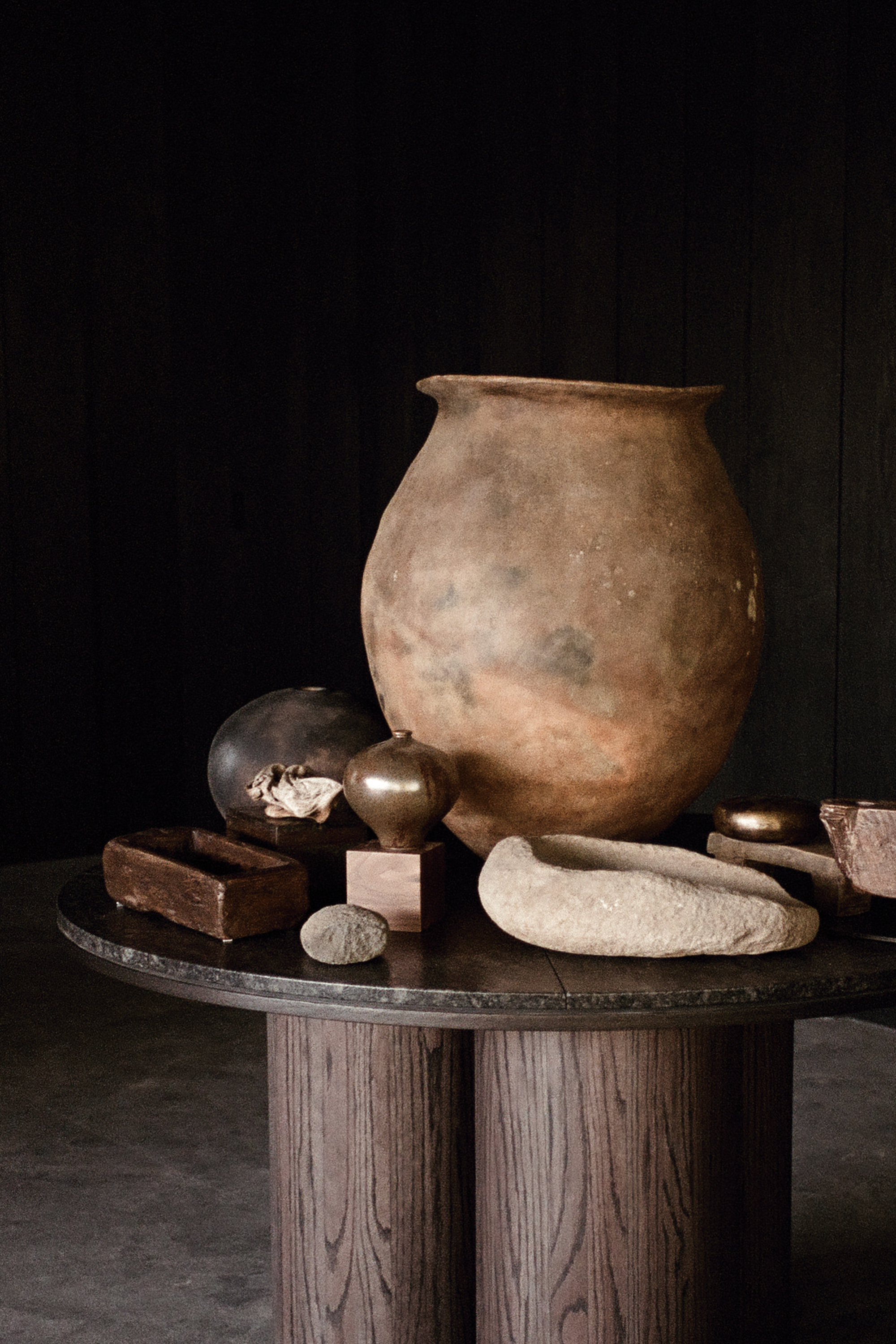
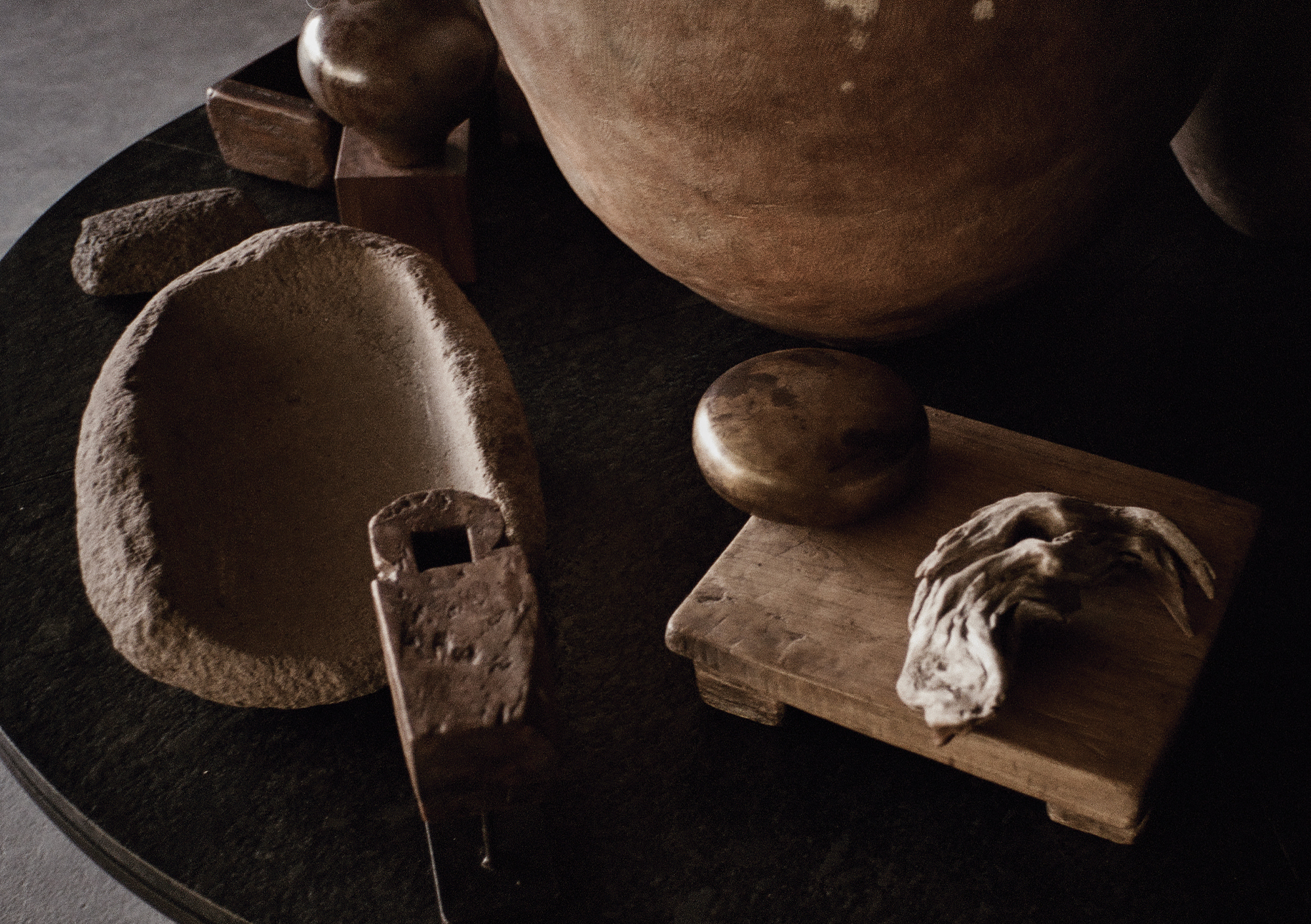
The house also features a number of custom-designed elements: a bookshelf, a six-meter-high steel fireplace, a travertine dining table for twelve people, and a work by a local artist positioned as a centerpiece upon entering the home. Rather than viewing these elements as individual objects, the studio understands them as part of a broader setting—one in which all custom-designed components resonate with one another, collectively telling the story of Casa CO.

When asked about their favorite moment in Casa CO, the designers always think of dawn. The first light slips gently into the garden, and the house quietly absorbs it into its travertine surfaces. Moving through the vegetation in silence, each step feels like an invitation to live in natural harmony. As time unfolds, sunlight travels along the terrace, blurring the boundary between inside and outside, while dark shou sugi ban contrasts subtly with the warmth of noble woods. By afternoon, the light softens, enveloping the family spaces in tranquility and contemplation. Bedrooms become intimate sanctuaries, where the setting sun filters through curtains, casting gentle shadows. In this space, light not only shapes atmosphere, but also allows materiality to speak softly of time, land, and memory.

When we asked Aagnes Studio what “home” means to them, they said: “Home is not merely a reflection of our inner world, but an extension of ourselves—a ‘universe’ materialized from body and emotion. It is where we place our most cherished objects, where our strongest memories are formed, and where we share space, time, meals, laughter, and tears with those we love. A home does not exist simply because it is a building; it exists because there are people within it—with individuality, dreams, and stories. Through the accumulation of these moments of life, a house is truly awakened, becoming a home that holds humanity and the warmth of everyday living.”

MORE PHOTOS