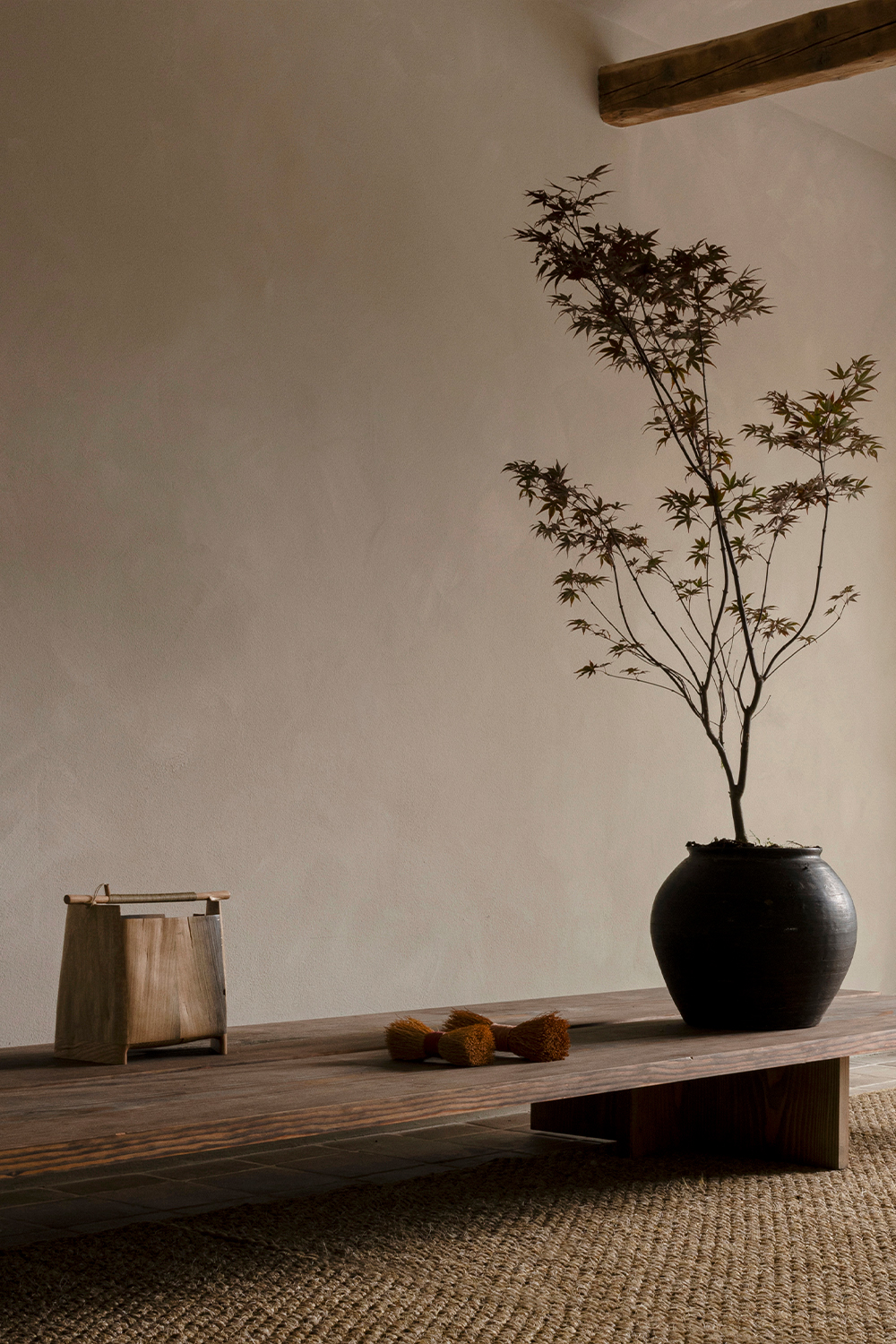
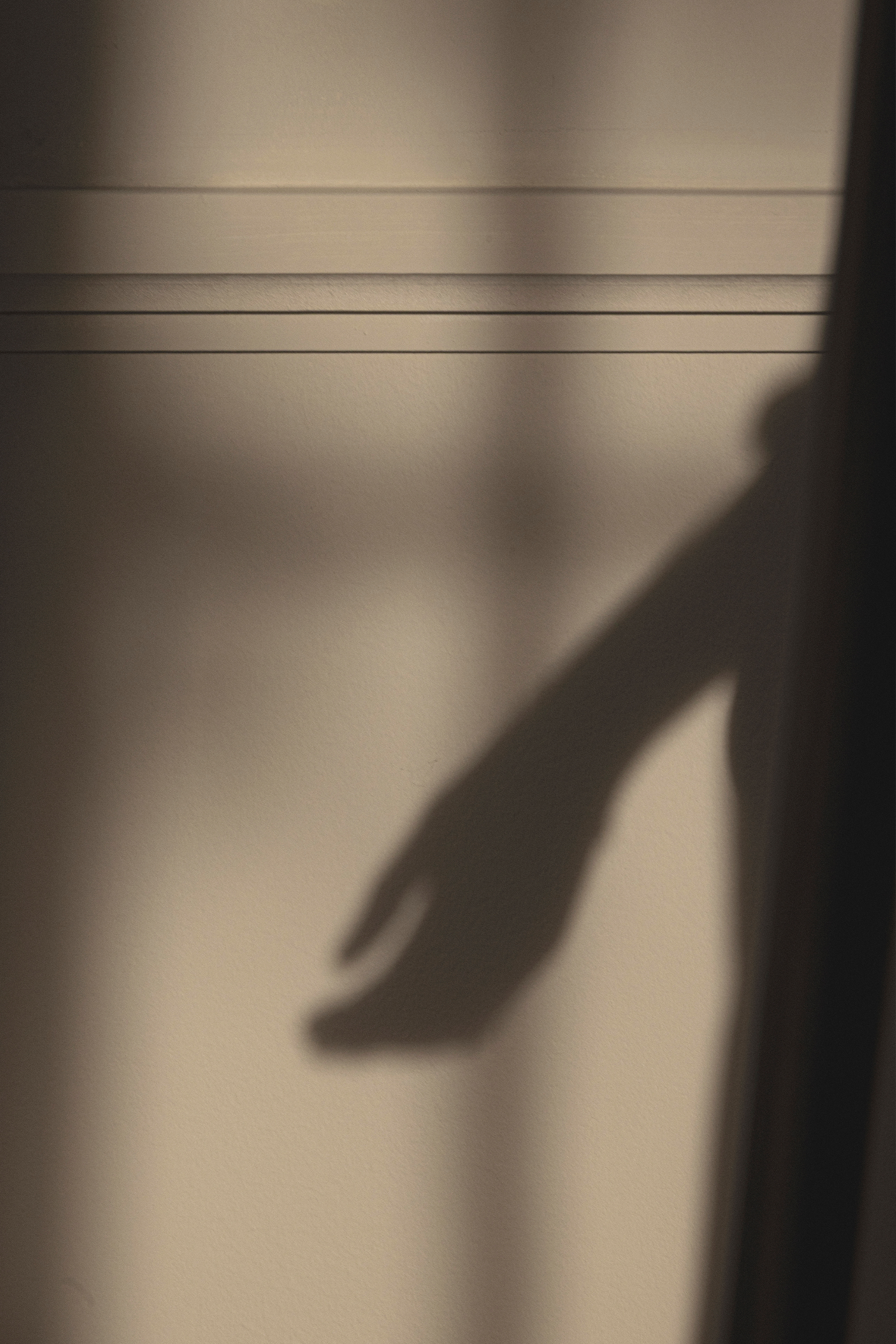
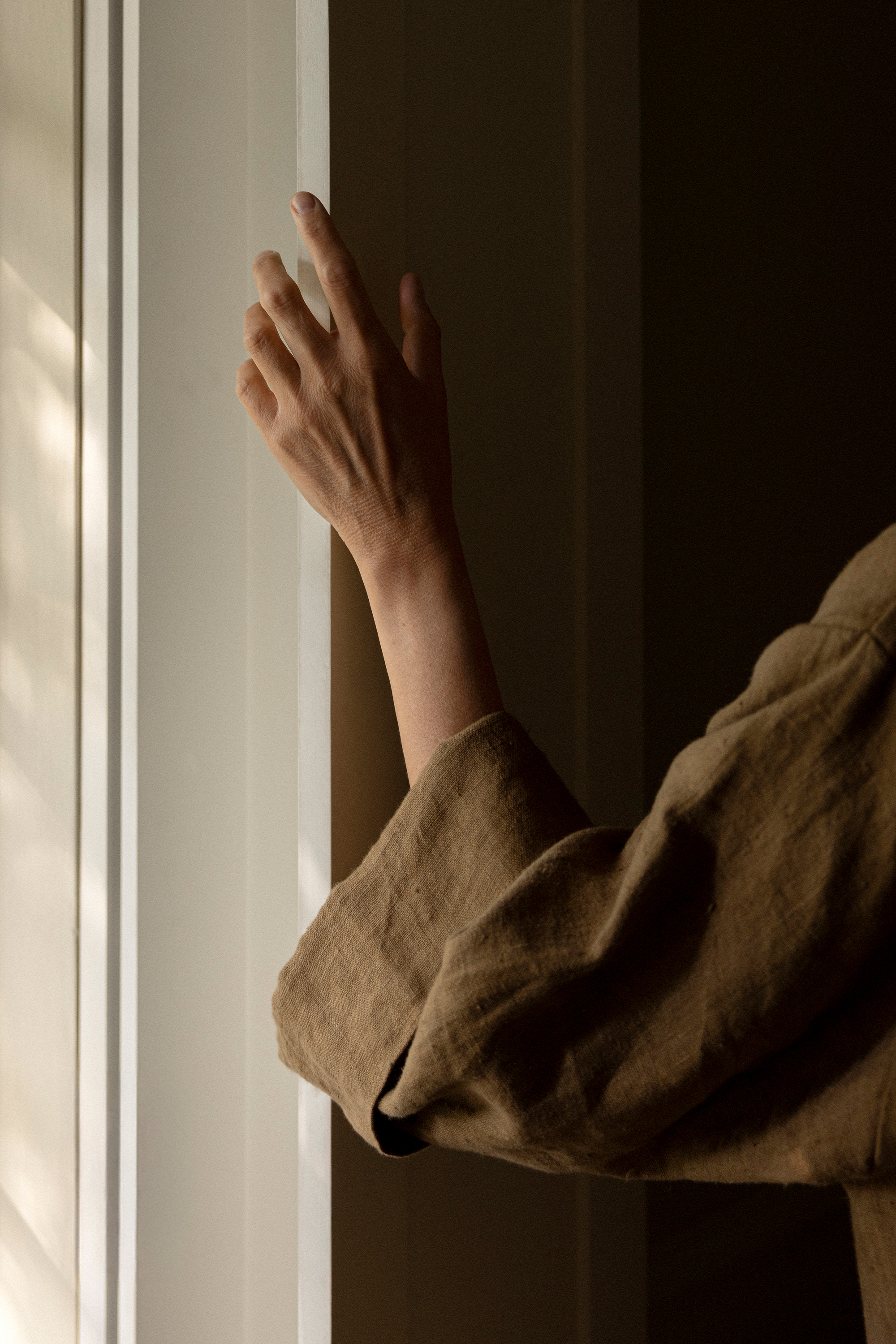
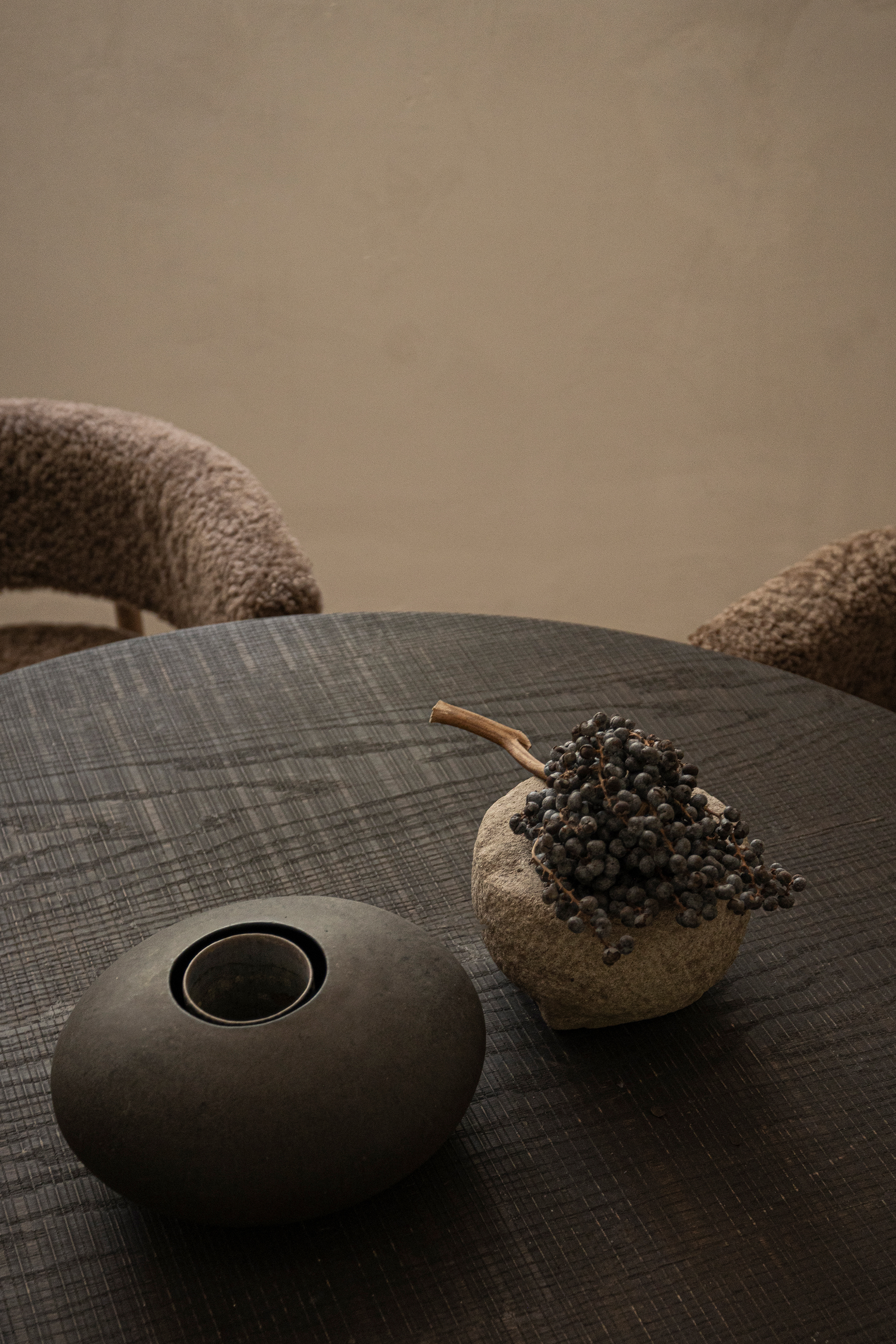
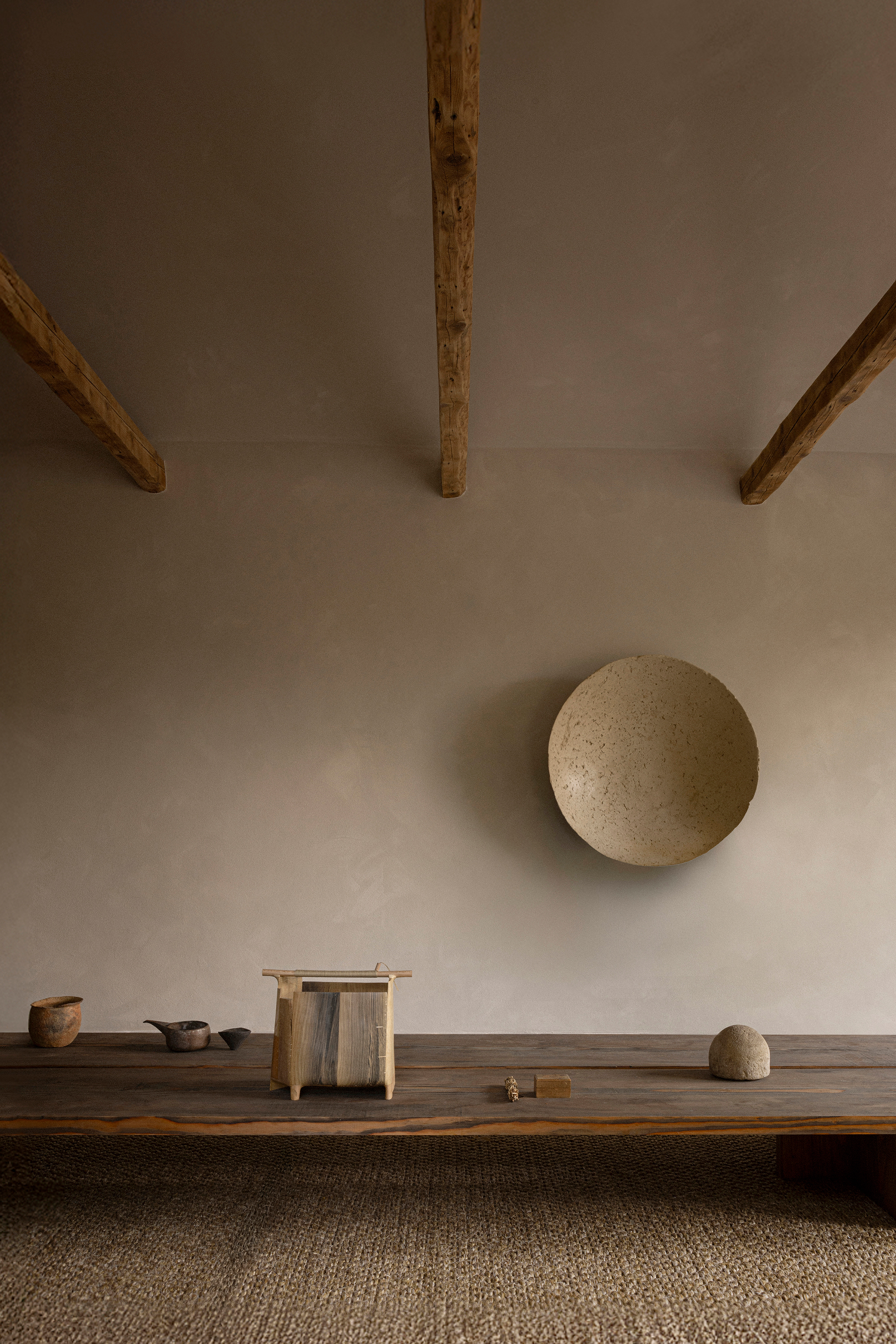
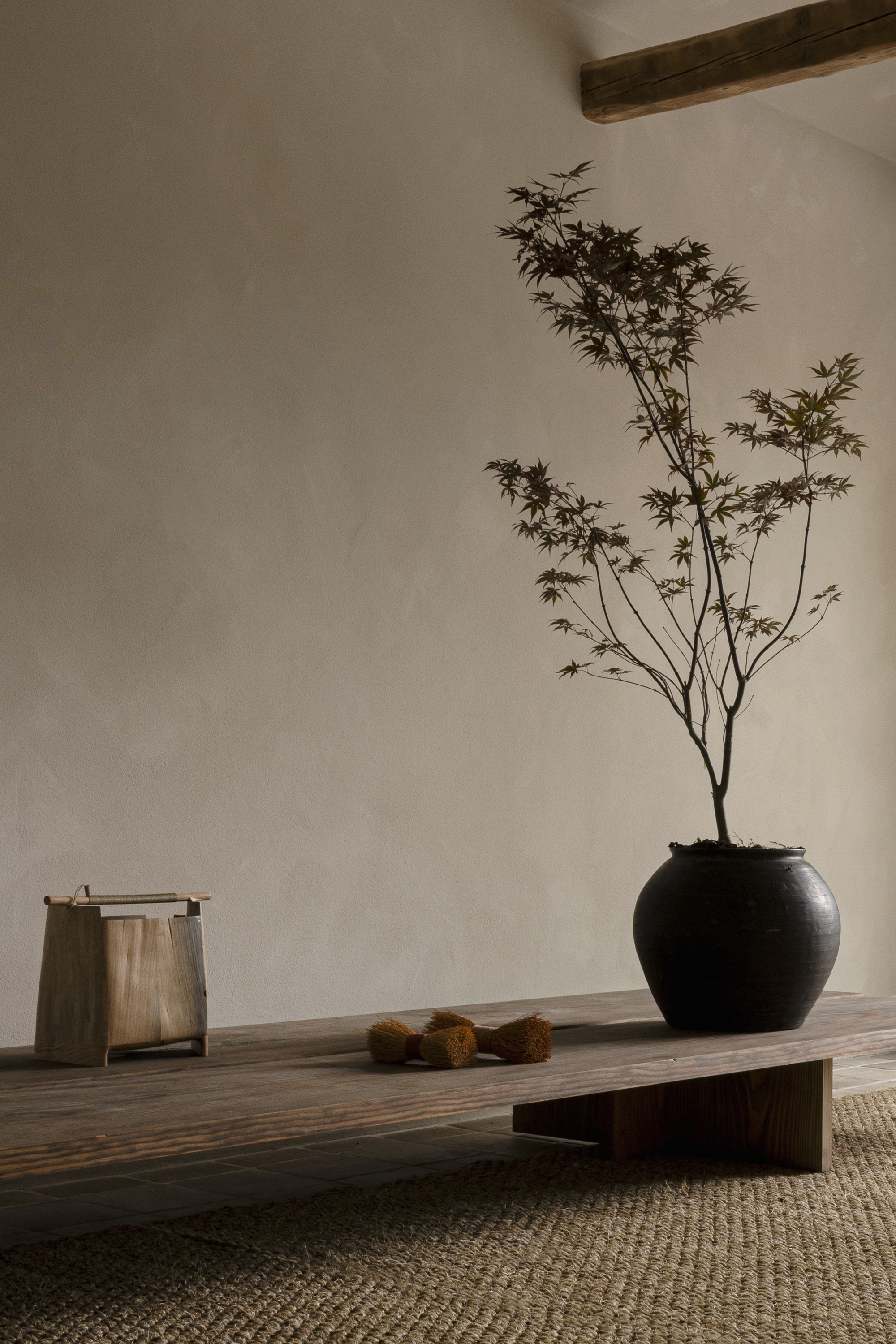
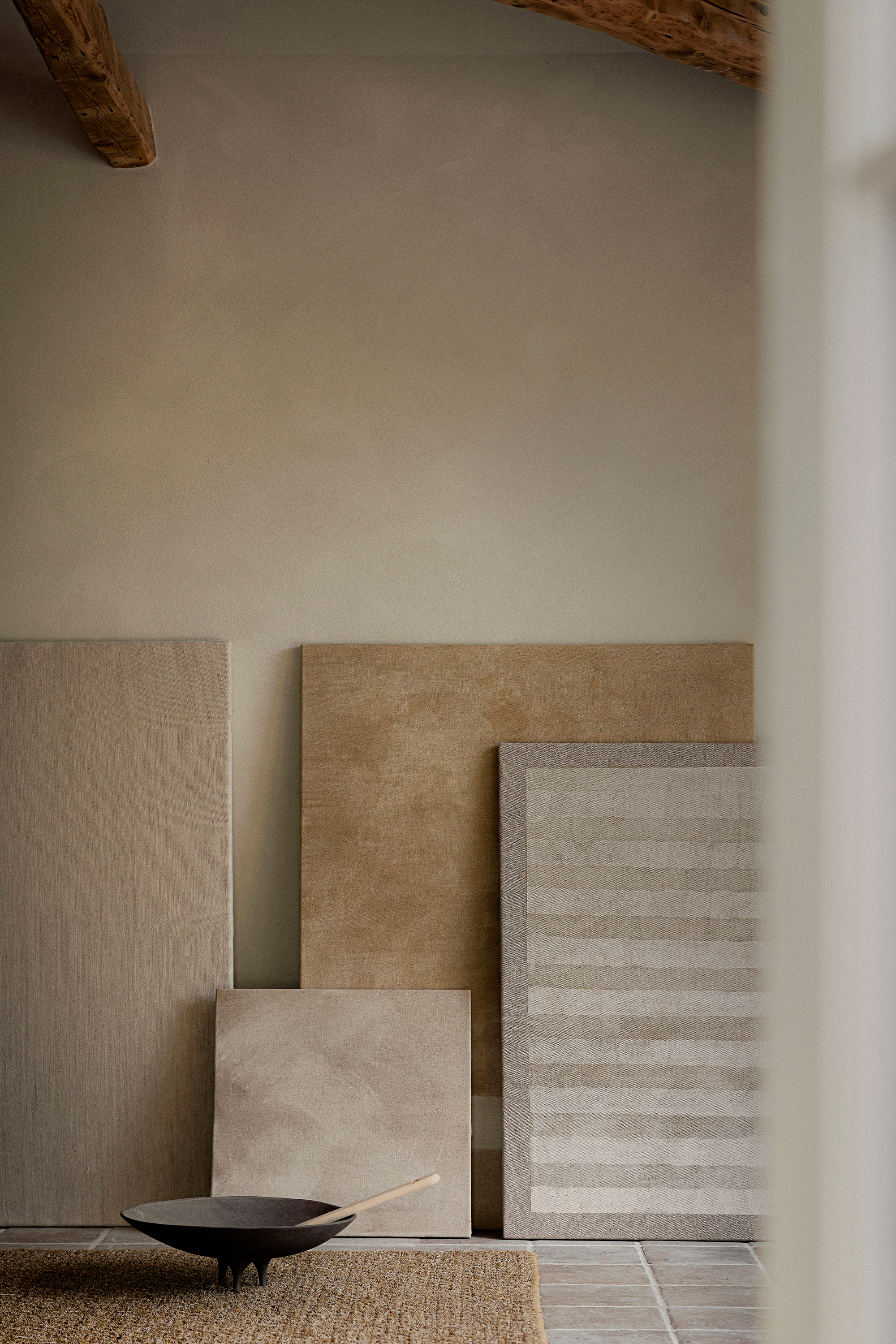
When asked what kind of experience they hope visitors will take away from "Guest House NO.16", Norm Architects' answer is a quiet and understated luxury, an experience that truly leads to tranquility, a sense of security and a connection with nature. In the process of reimagining this old annex building, the design team has always been centered around a gentle yet firm vision - to regain its "soul" while giving people a sense that it has always been there. They delved deeply into the architectural language of the 1930s, making every intervention natural, humble, quiet and full of emotion. This is not merely a restoration but also a "negotiation" with time: responding to history with simplicity and to the environment with restraint, allowing the space to once again belong to the natural scenery of the Nordic coast.

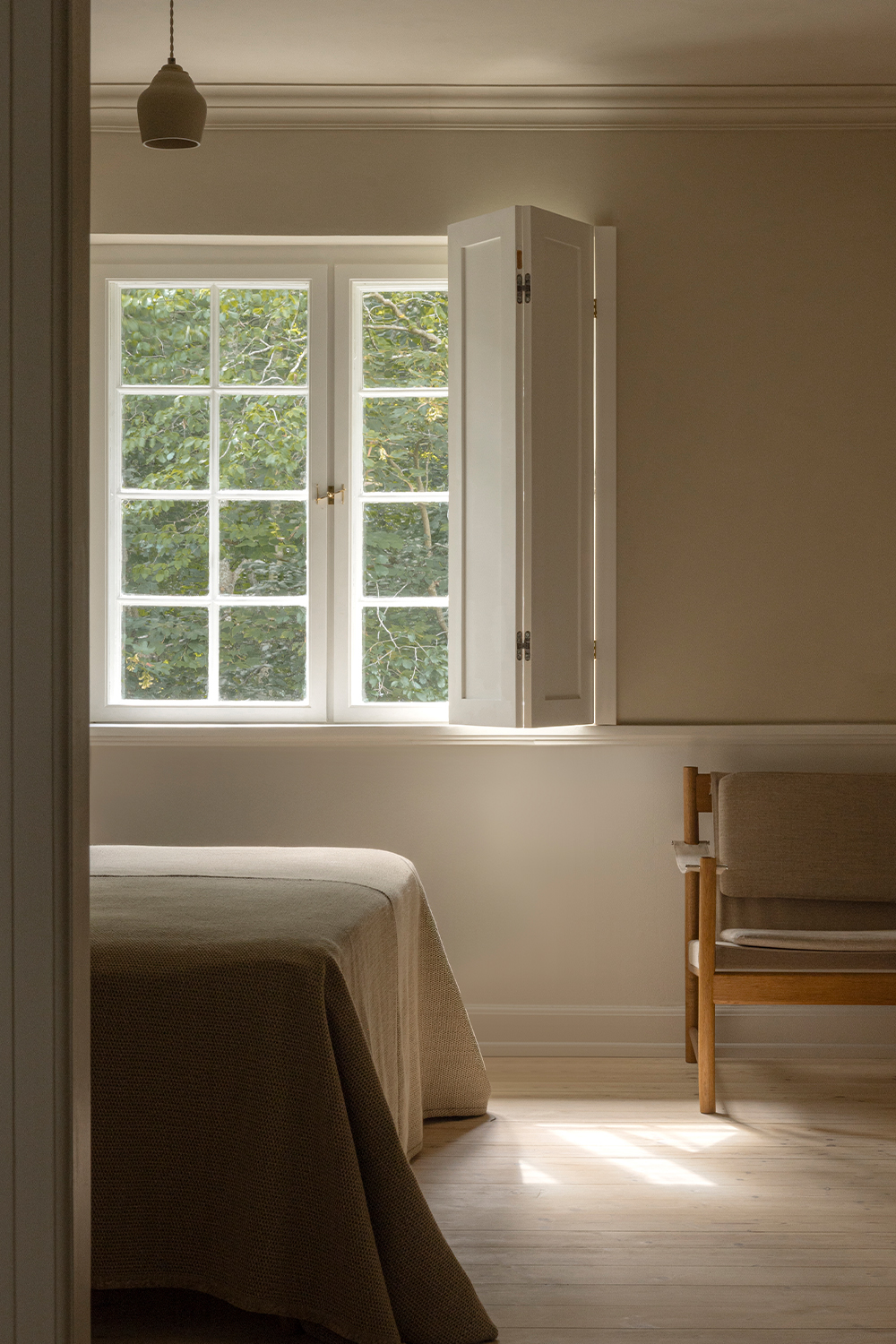
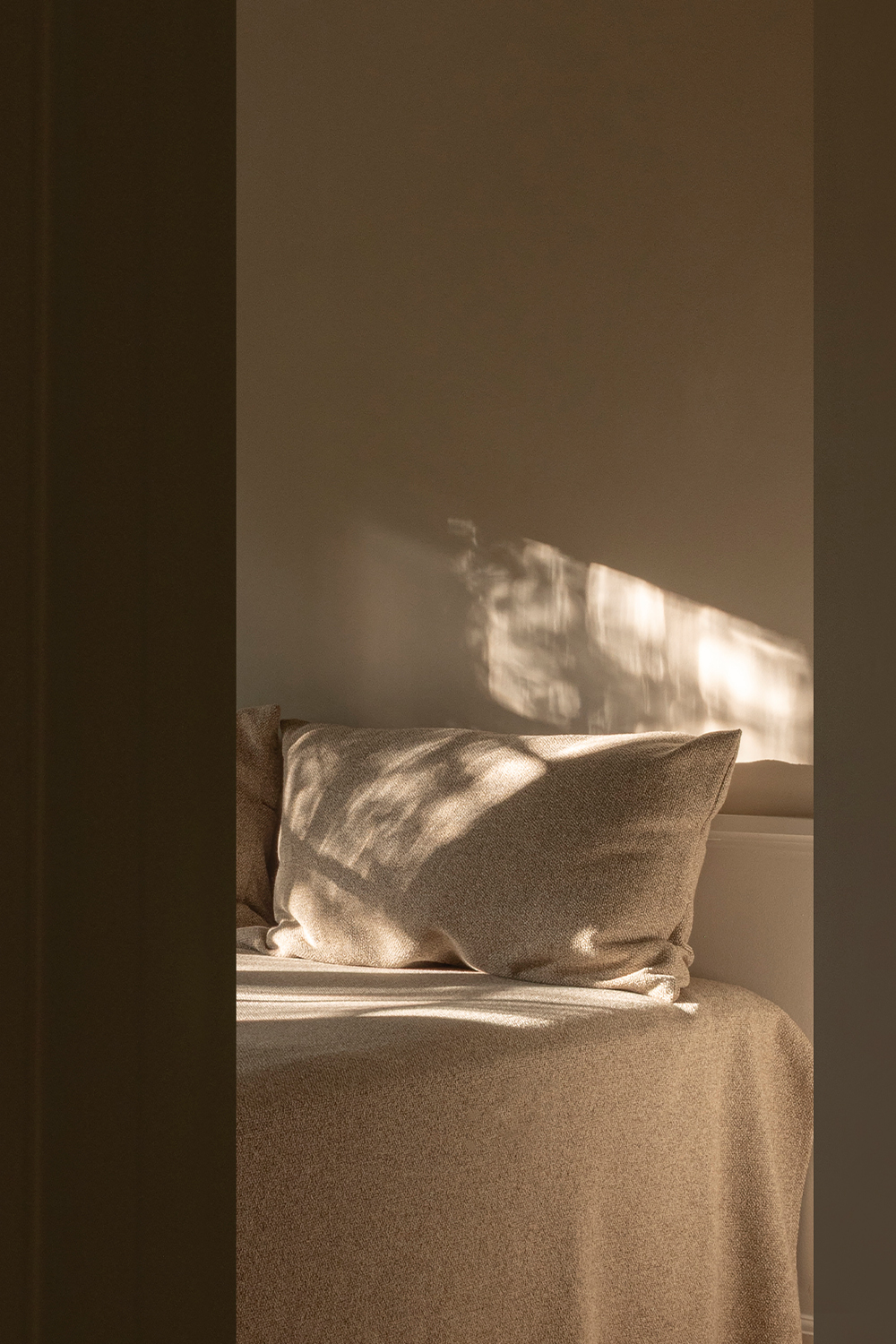
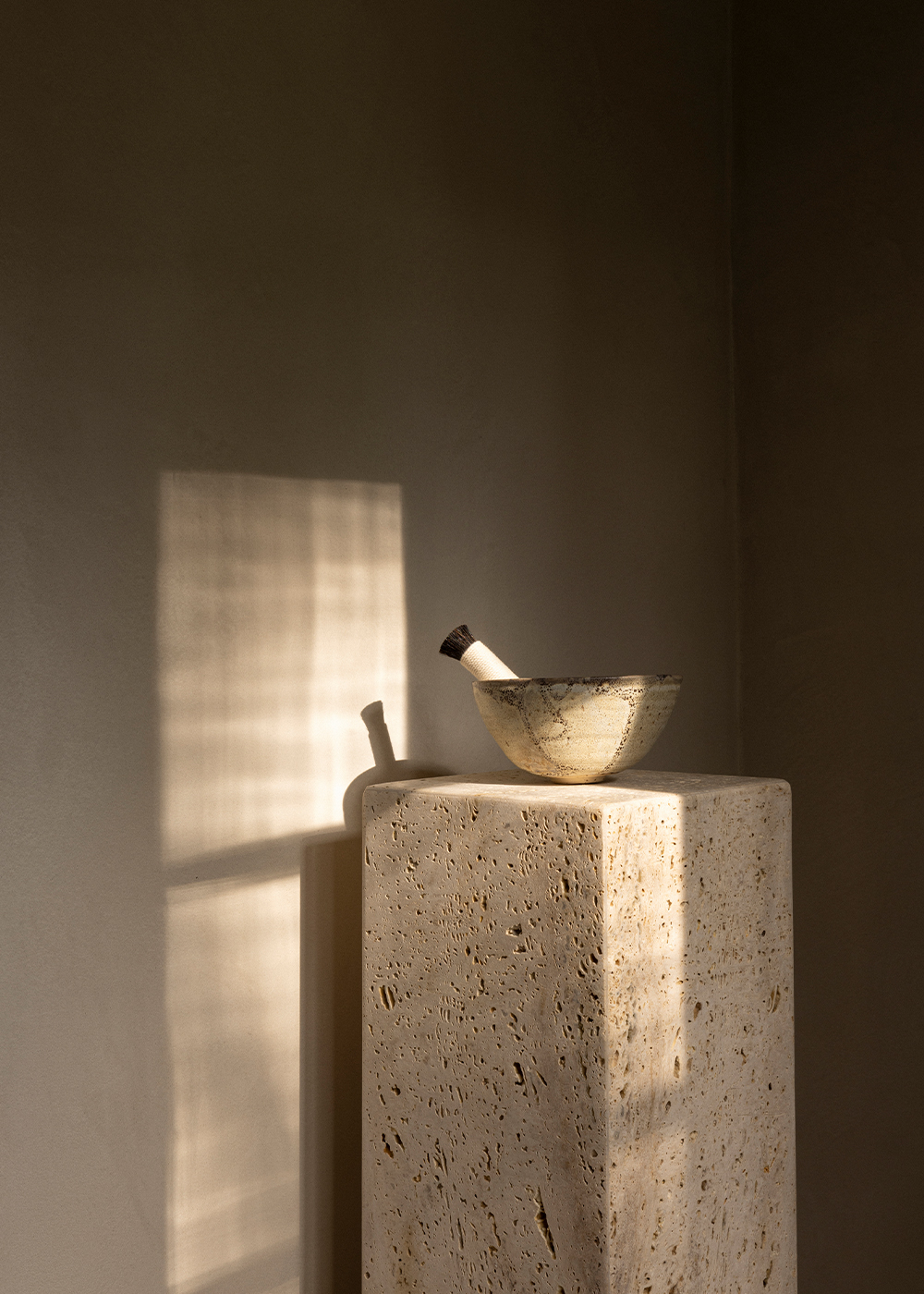
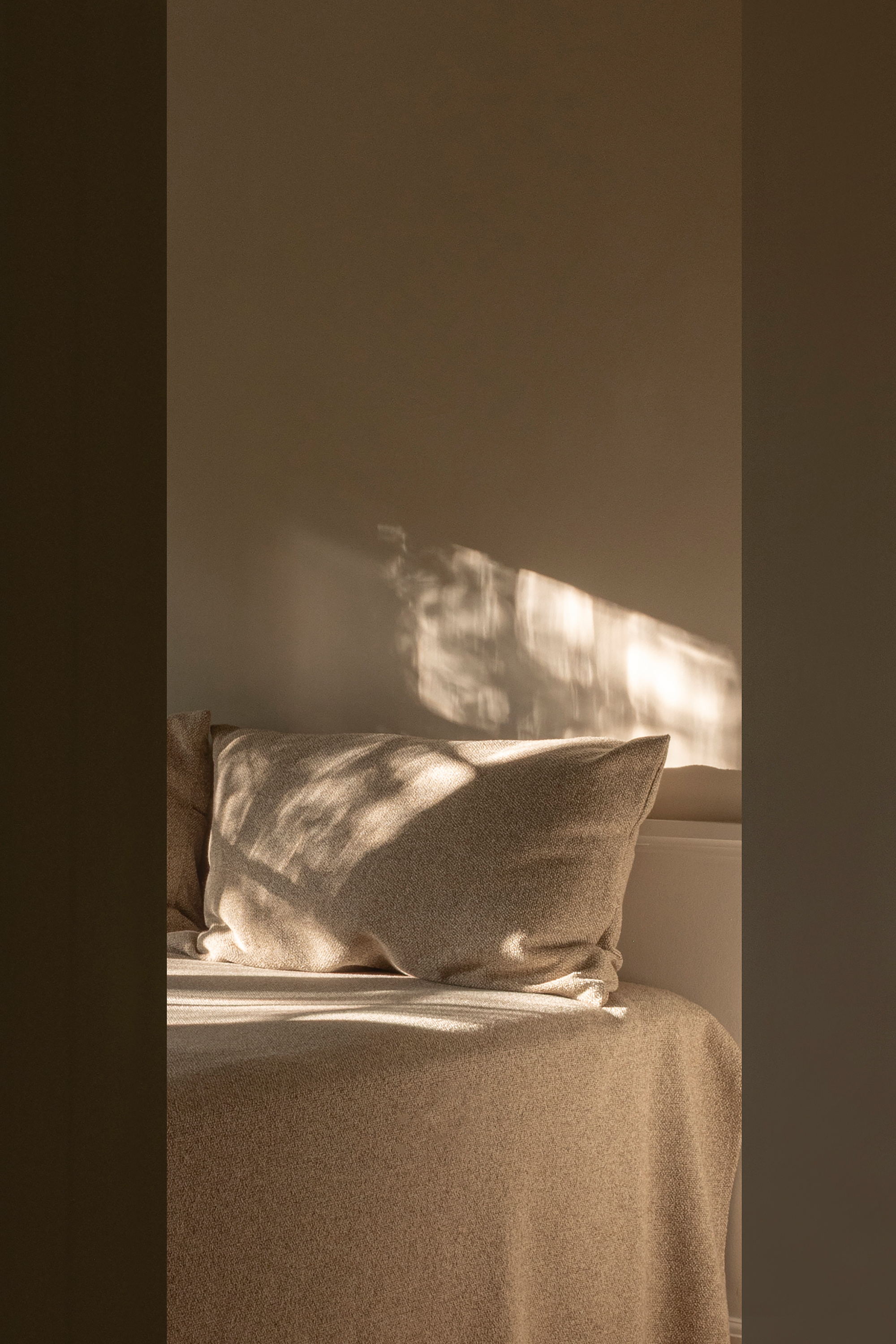
Norm Architects told us: "The weather along the Nordic coast is changeable, and the poetic sunshine is regarded by us as one of the main 'materials' for shaping' Hotel 16 '." It determines the orientation of the room, the placement of furniture, and also influences our choice of color and material - lime paint, natural wood, and the tones specially customized for the house by St. Leo, all of which change with the variation of sunlight throughout the day." In this conversation, we once again understood their core philosophy: seeking a balance between richness and restraint, and being guided by both the body and the mind. Endow space with softness through touch and time; Respond to the world with clear, durable and breathable designs.

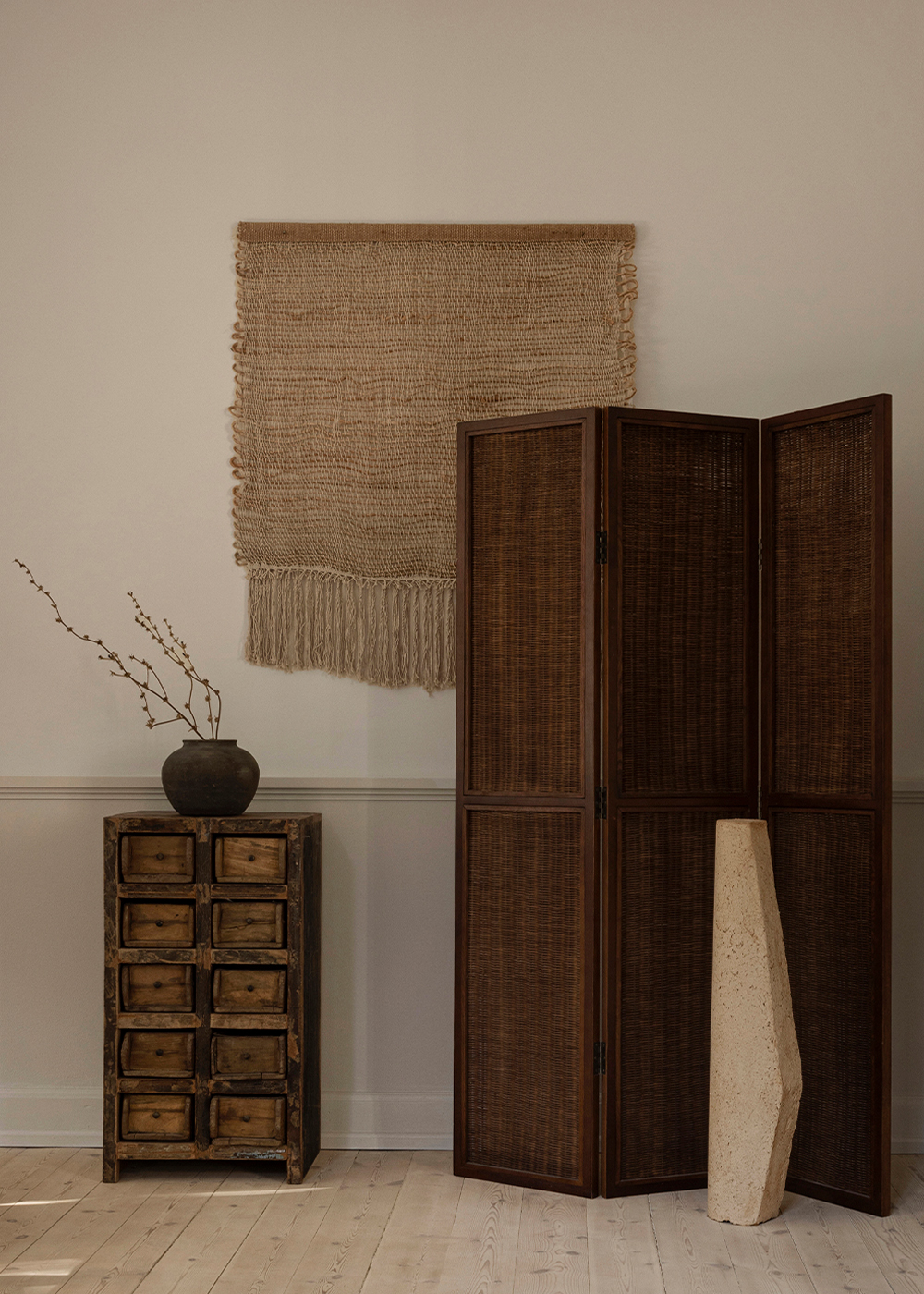
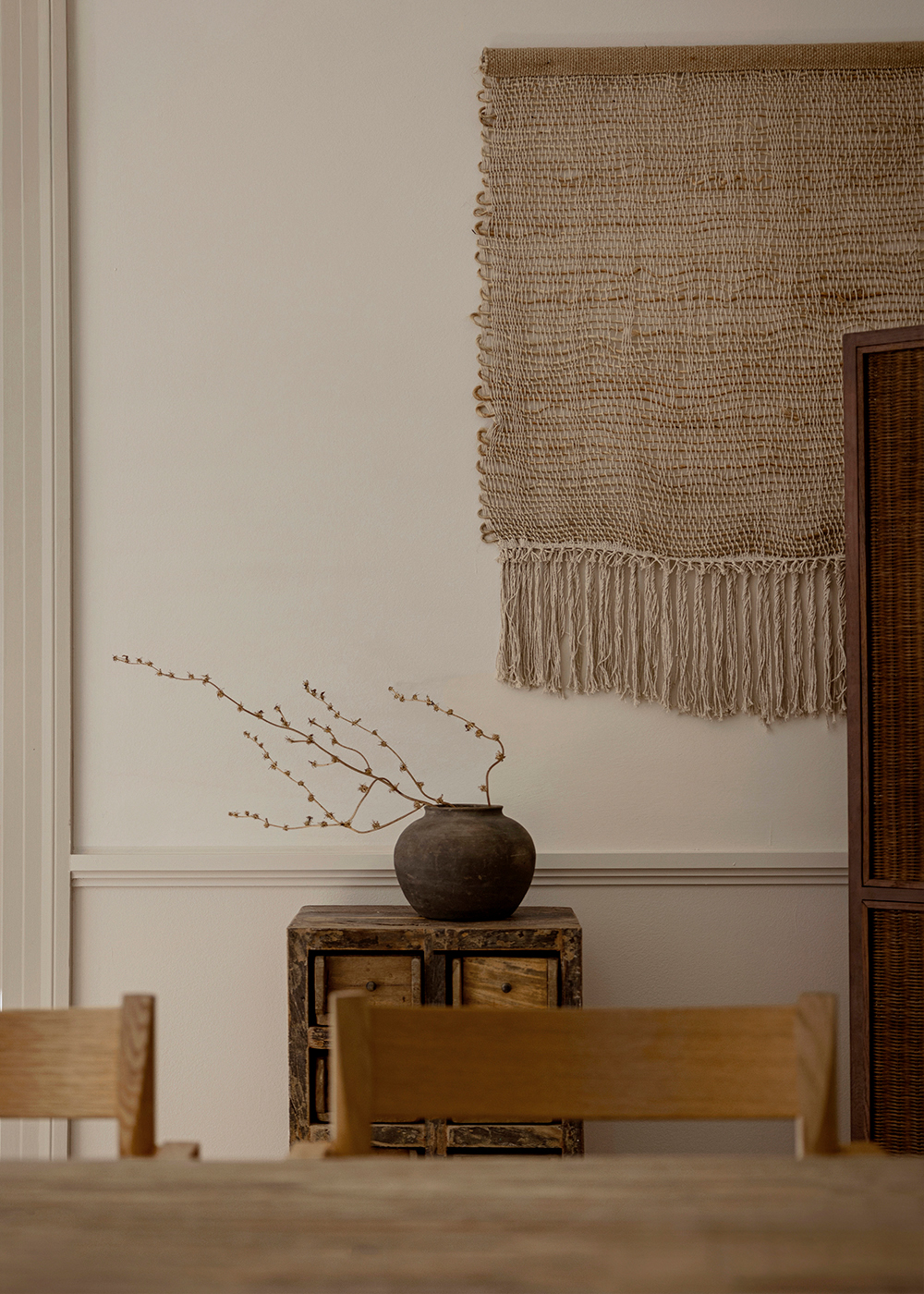
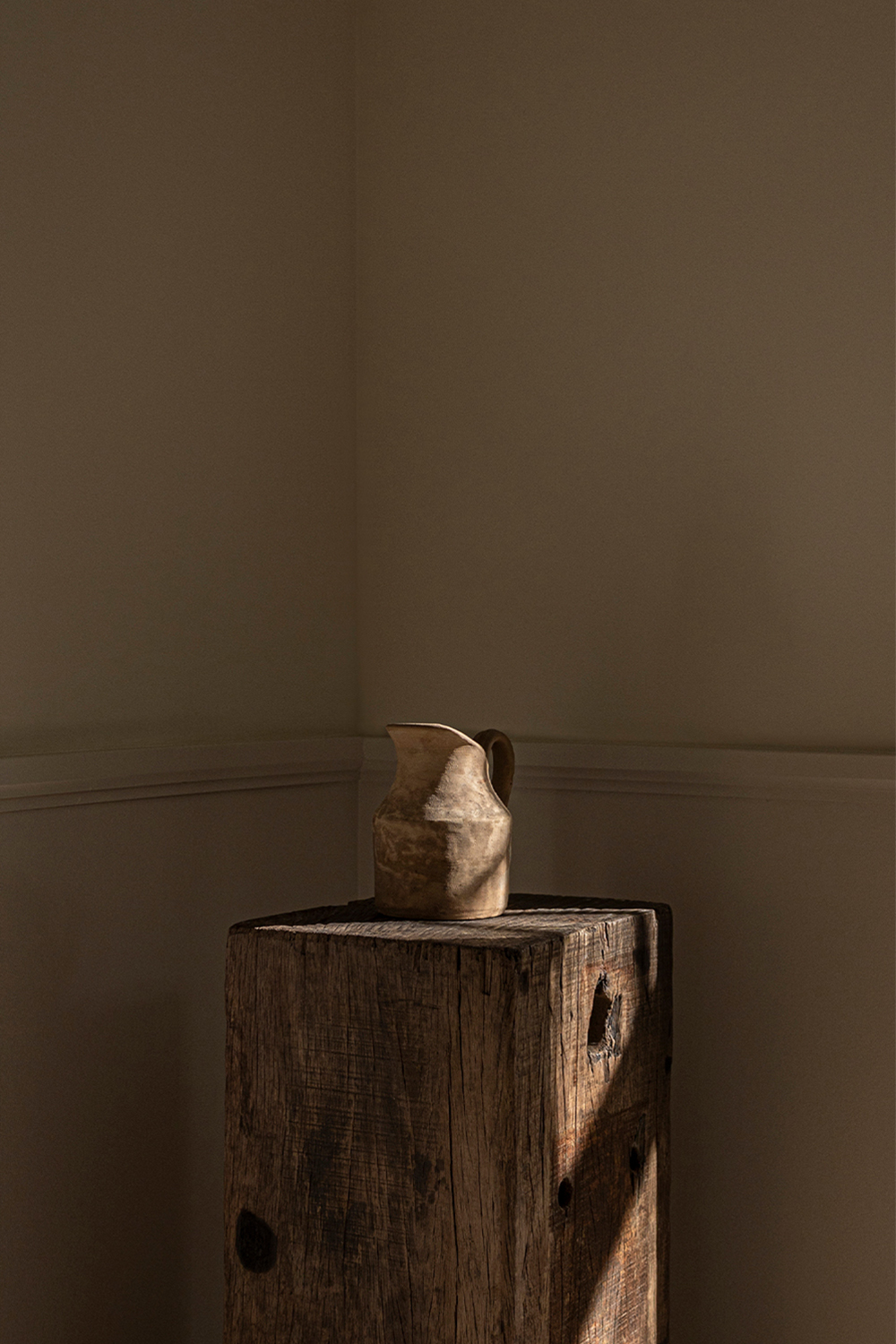
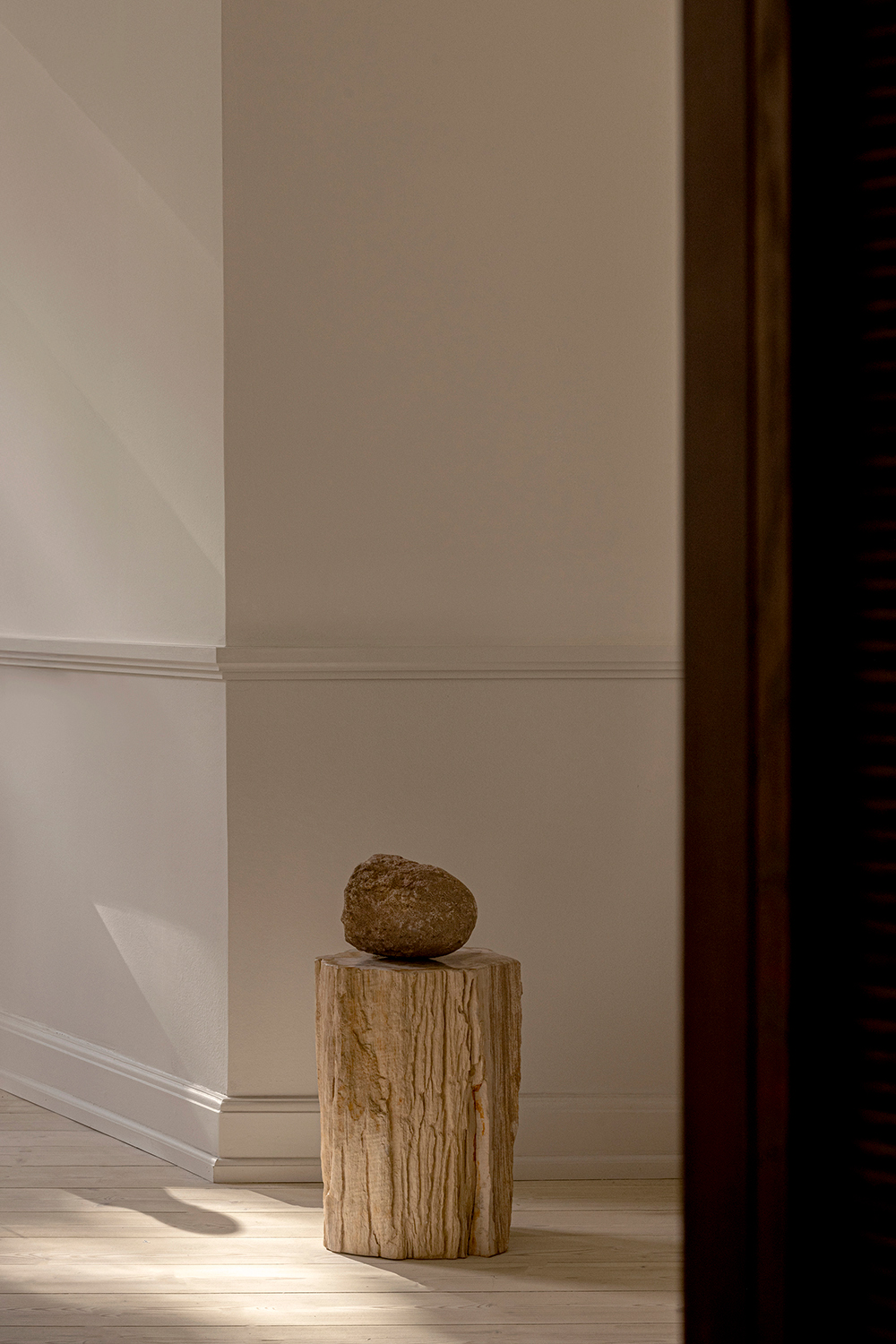
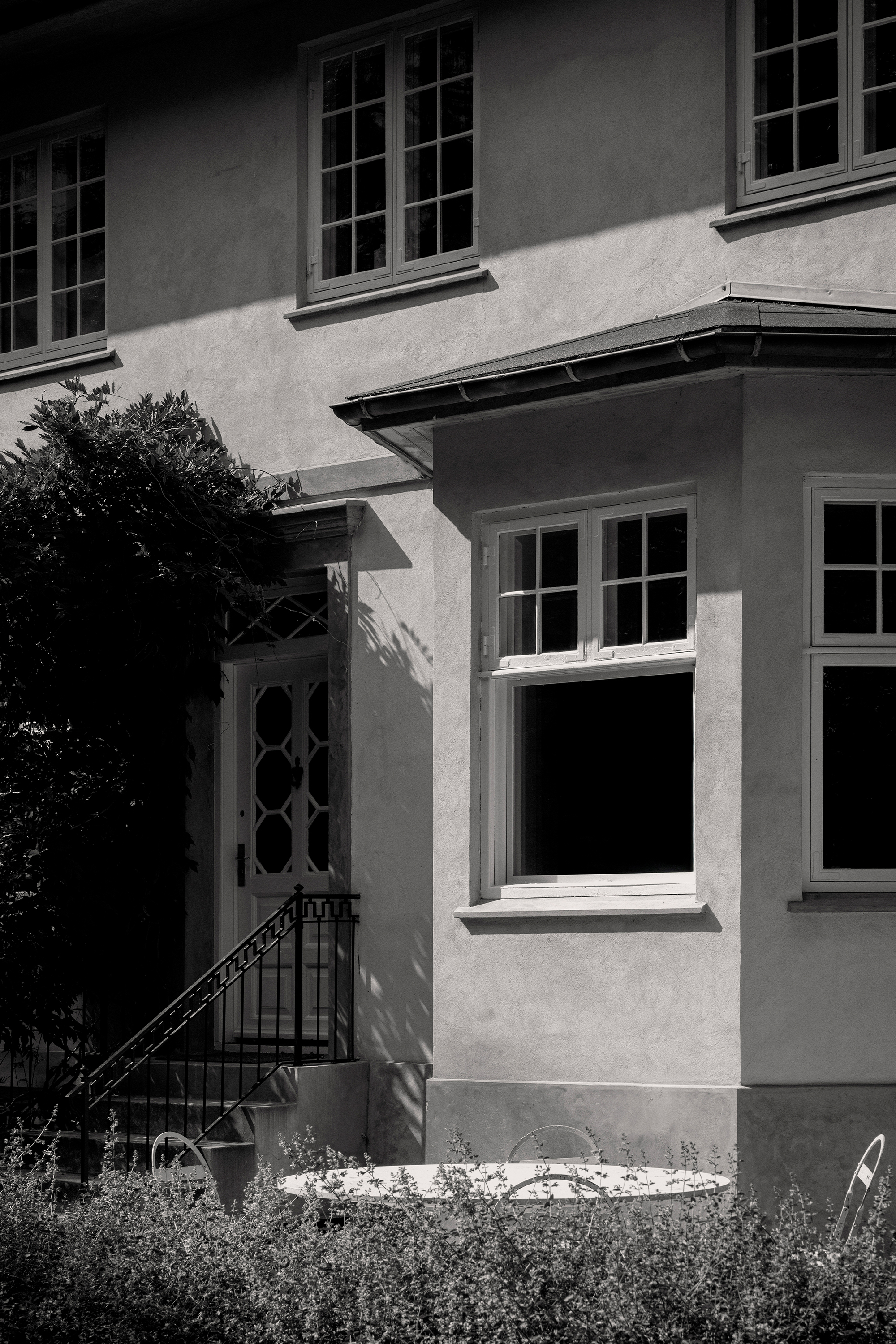
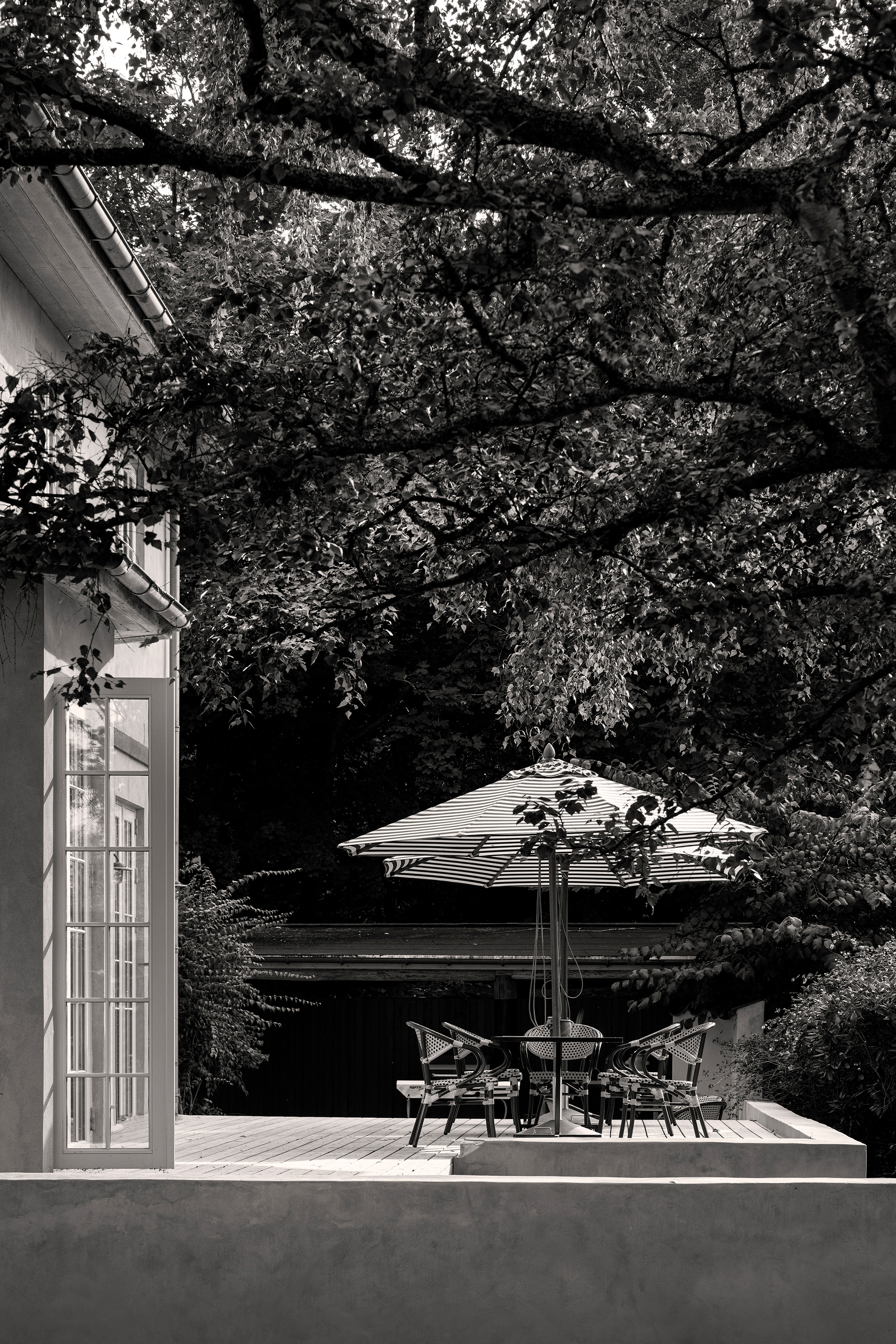
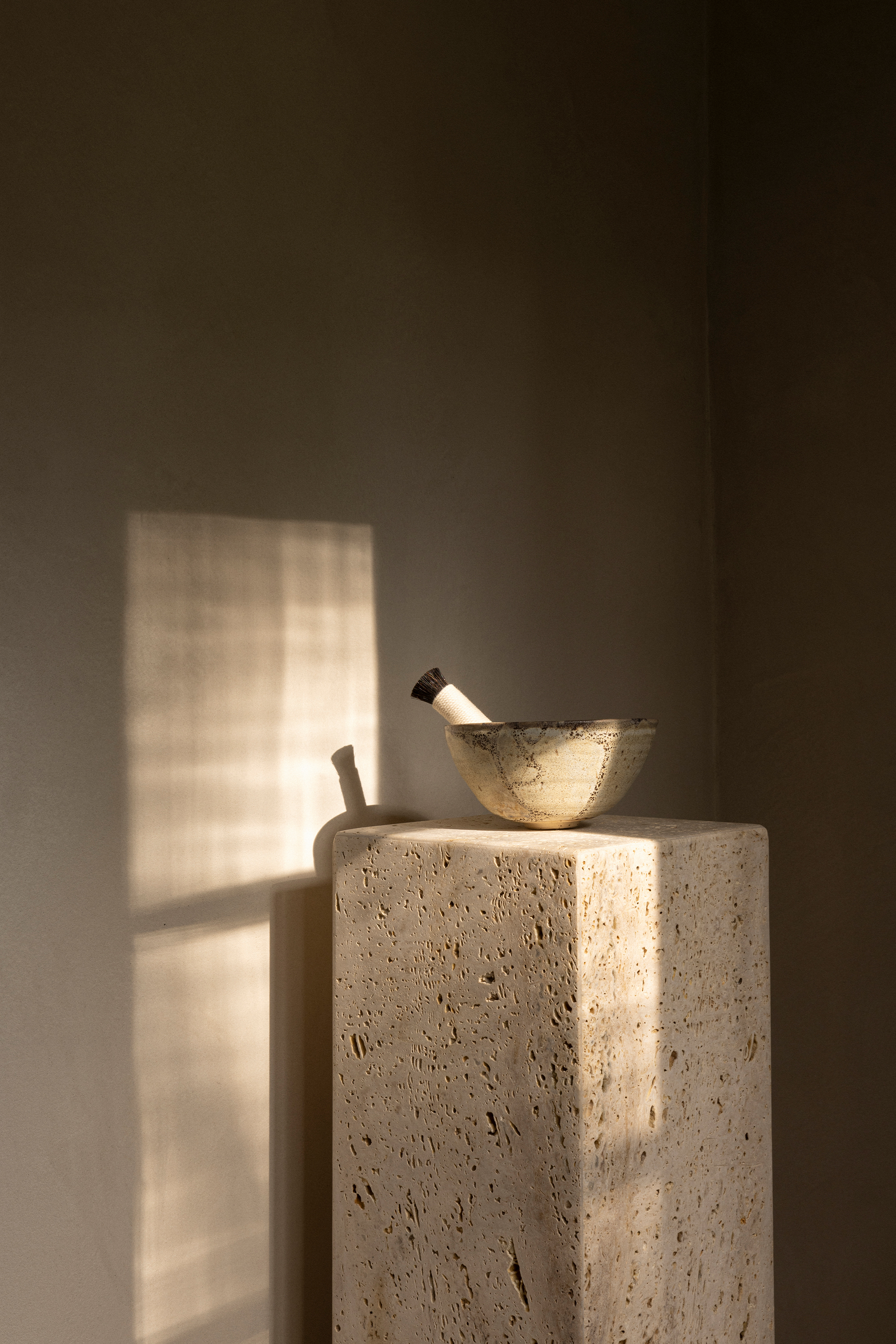
Amid the whispering pines of Northern Zealand, Denmark, the intimatet Gguest House No. 16 stands as a serene coastal refuge. The 1930s Italiano inspired villa has been thoroughly restored and gently reimagined, honouring its layered past while unfolding a new and contemplative identity. Within these walls, the spaces recall the stillness of a Hammershøi interior, with gentle light falling softly across quiet surfaces, where classic proportions meet Scandinavian clarity. Subtle echoes of Japanese aesthetics, rooted in imperfection, transience, and natural restraint, creates a tactile poetry that invites wellbeing and a sense of timeless calm.
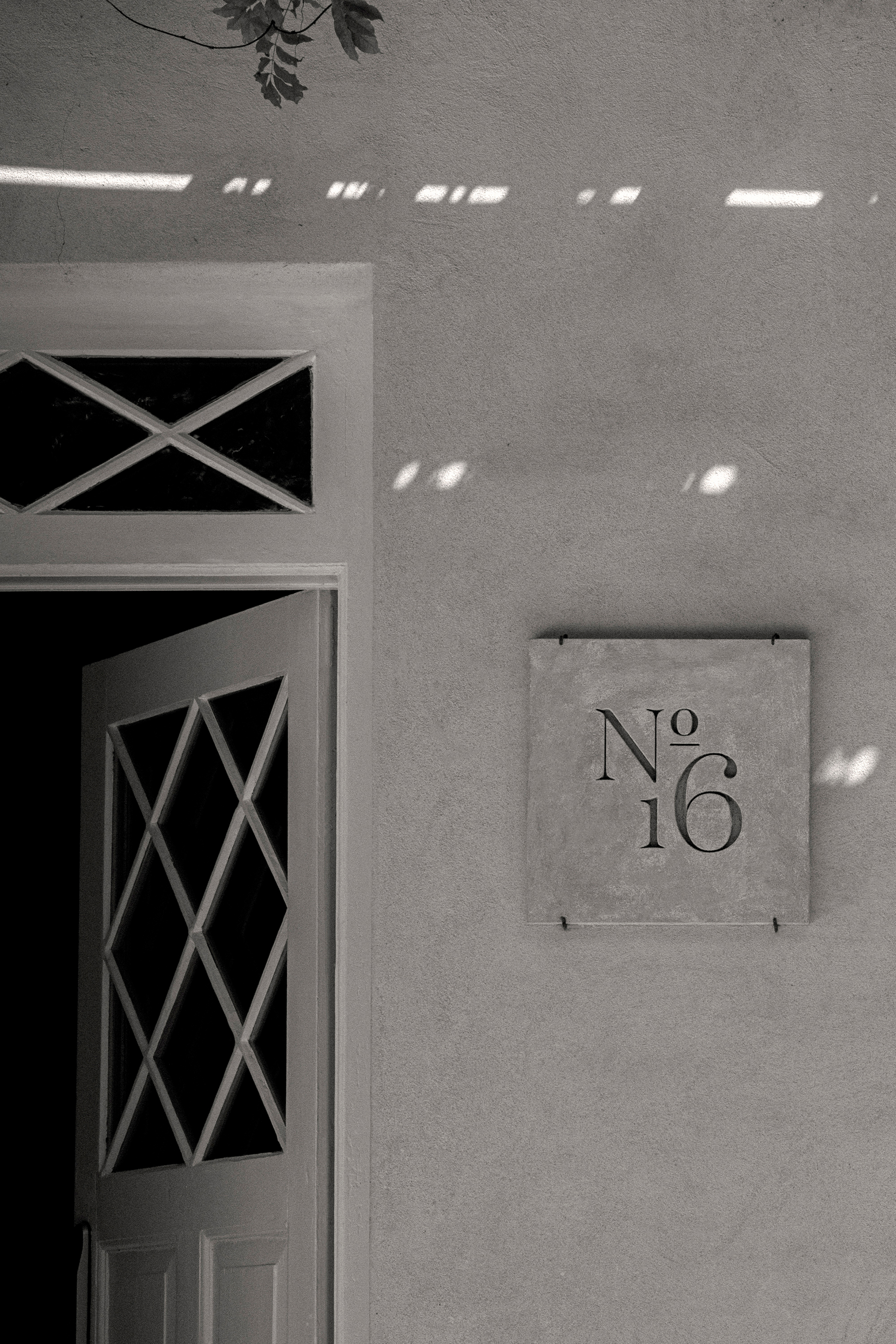
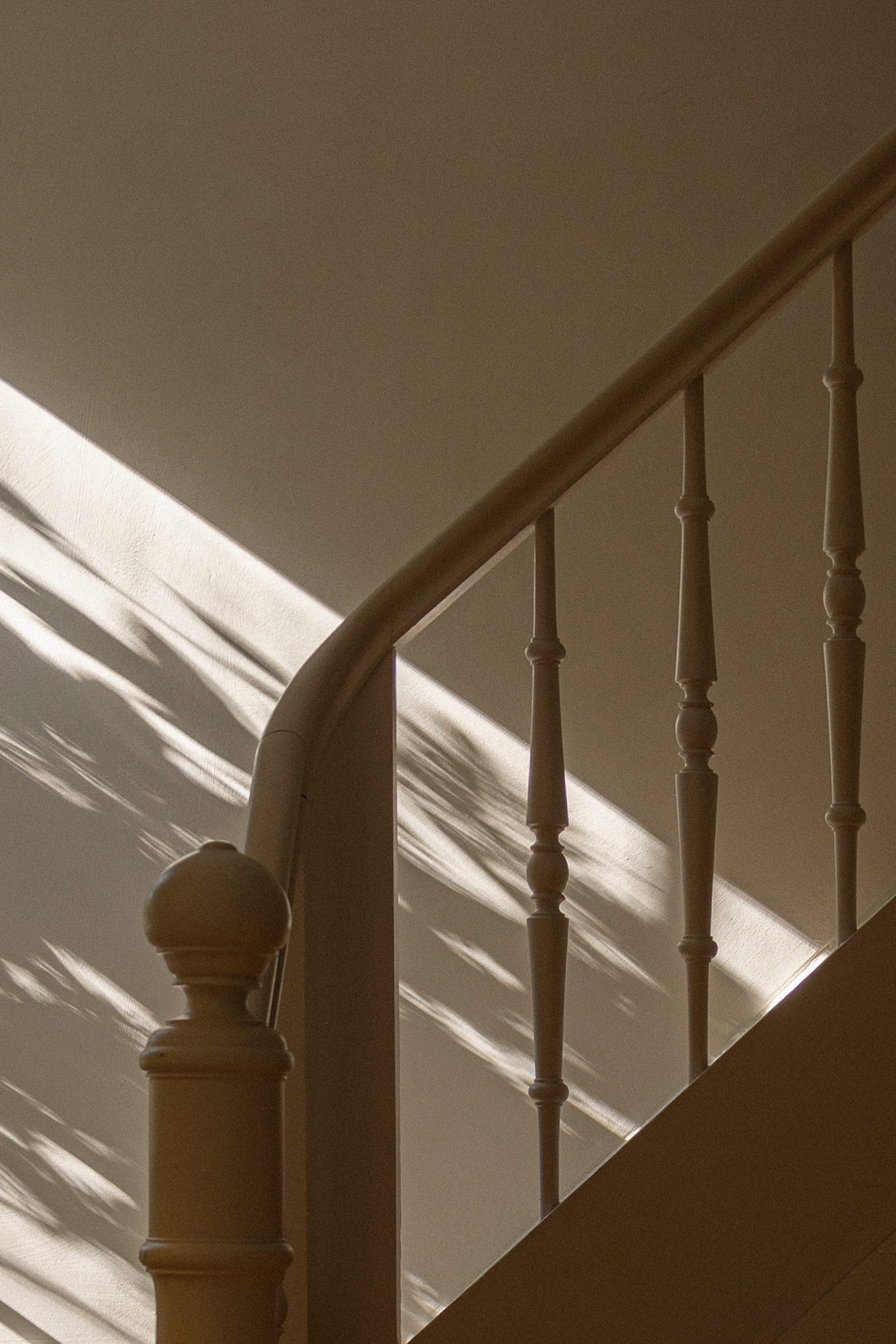
The front door features hexagonal panels of thick, amber ‘råglas’ – a raw, dimpled glass that casts a warm band of light onto the stairwell inside. Its rich colour, together with the exterior’s original cottage red and yellow ochre, speaks to the house’s norm architects northern Italian flair, creating an inviting and timeless entrance that balances tradition with playful character.

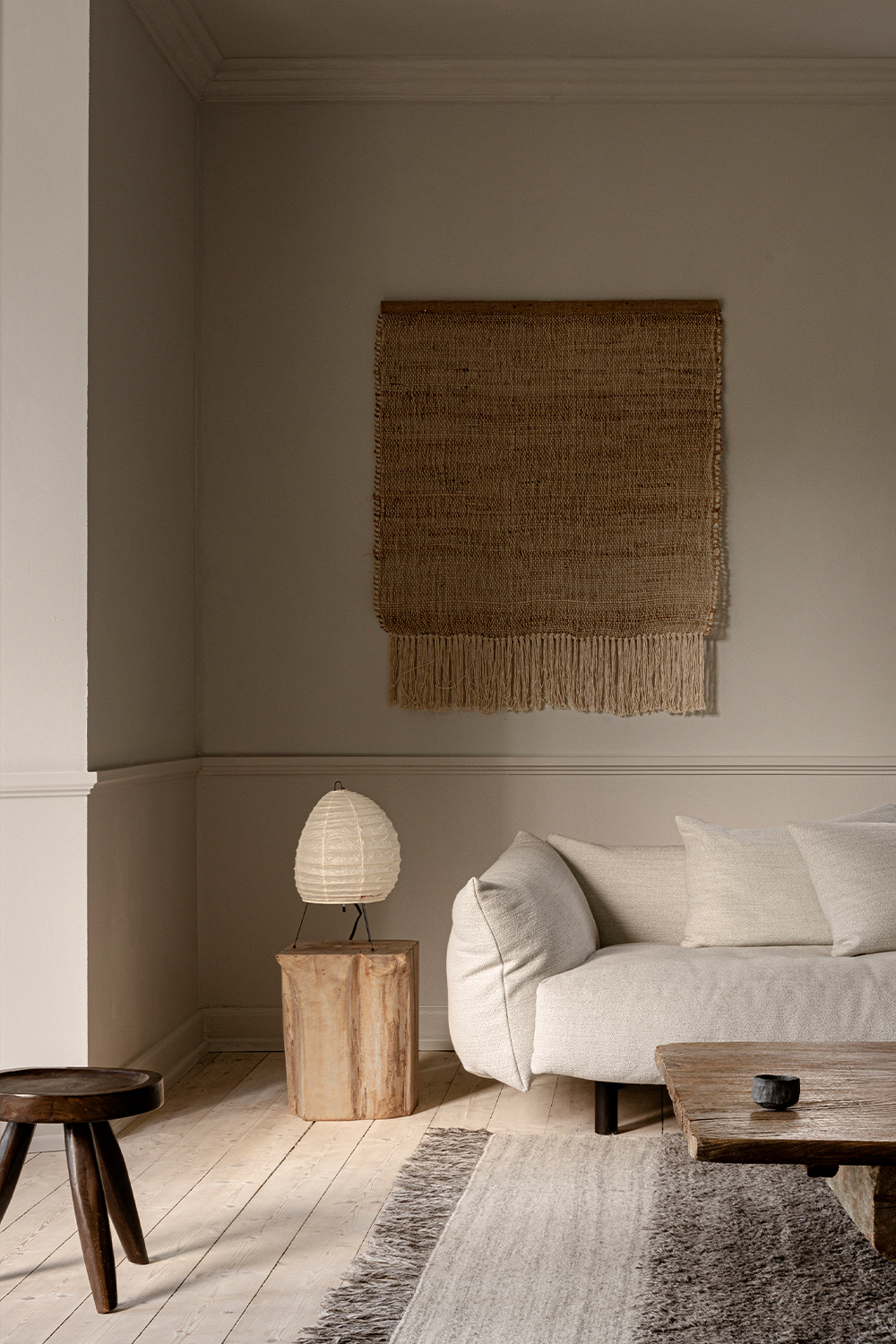
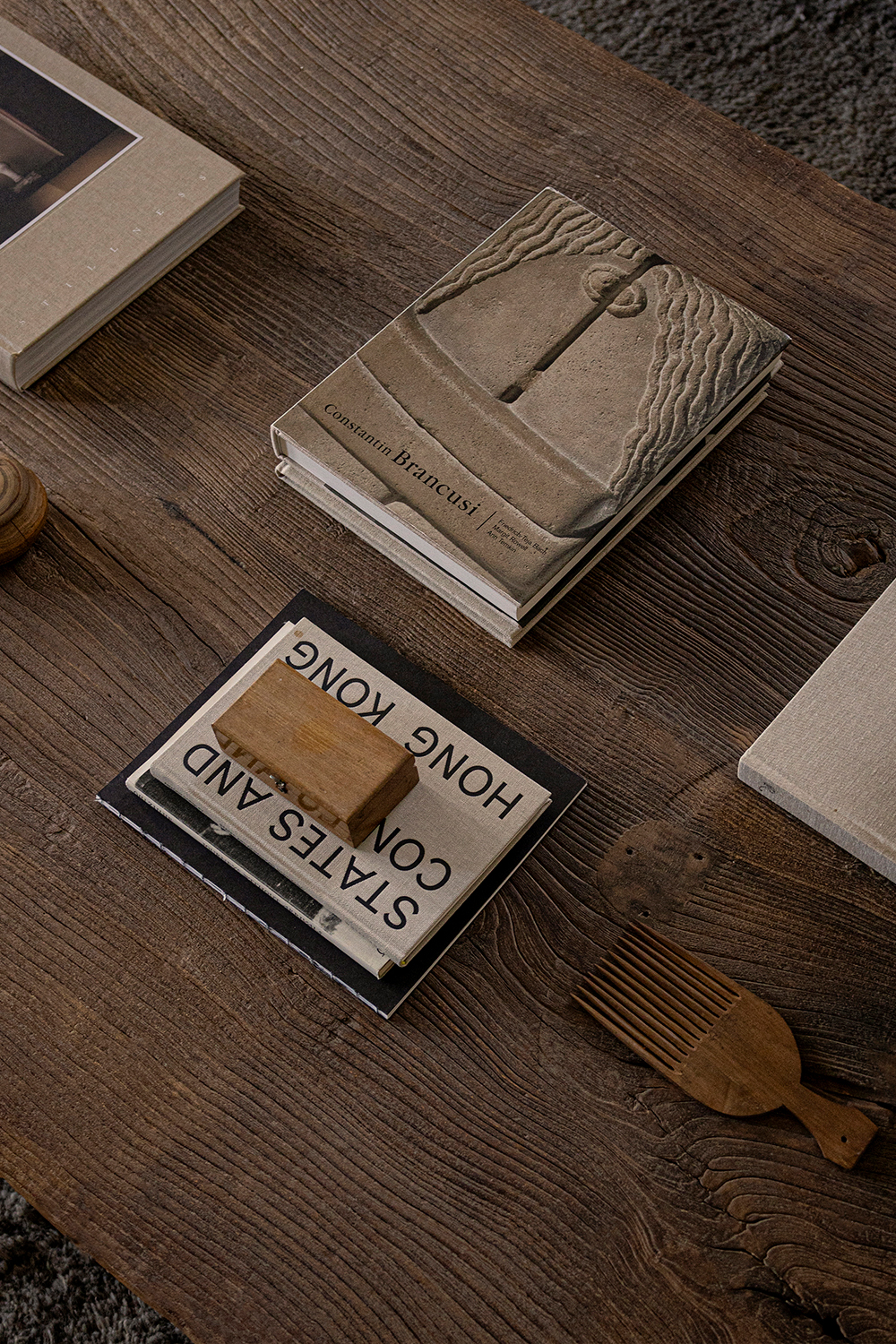
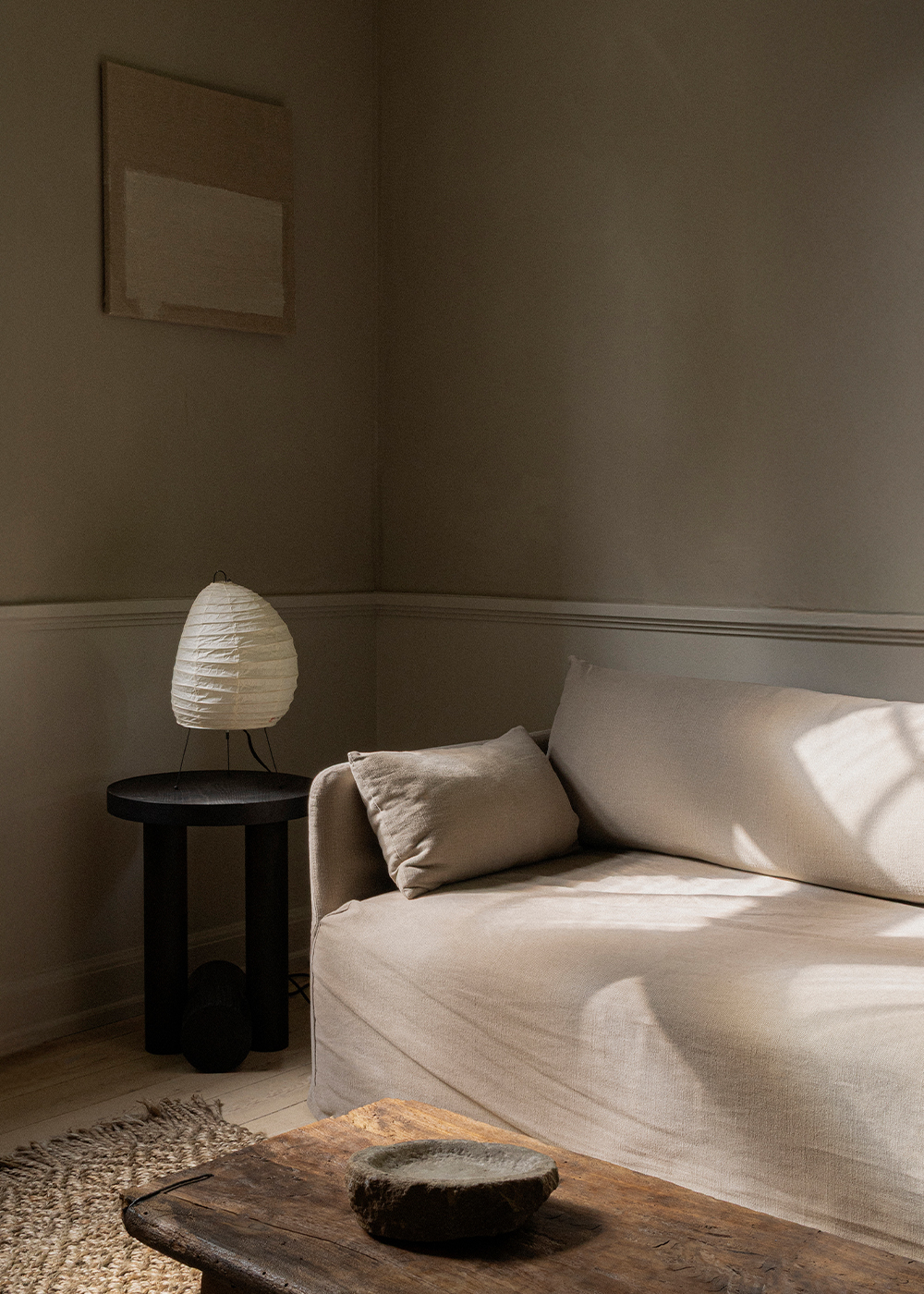
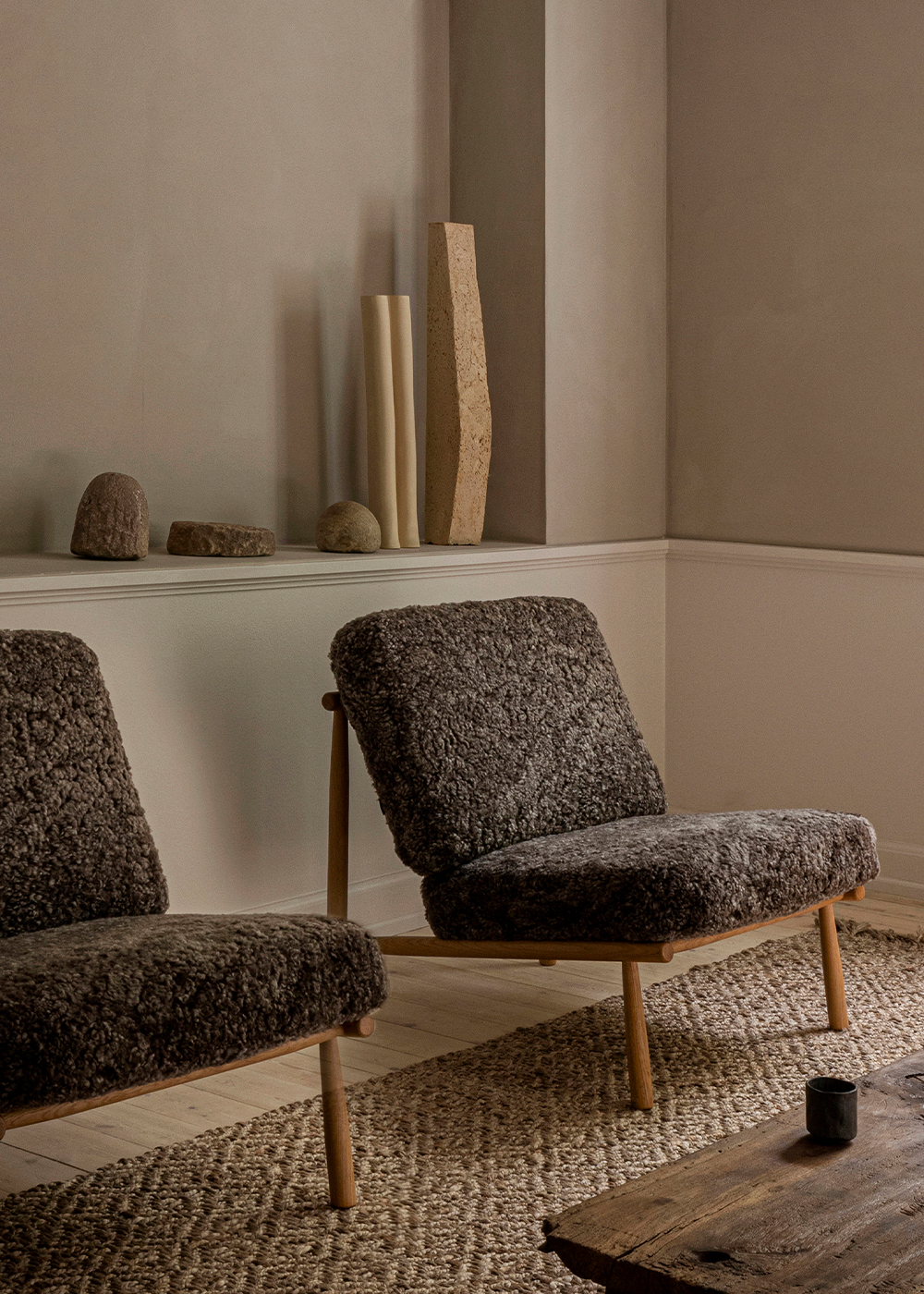
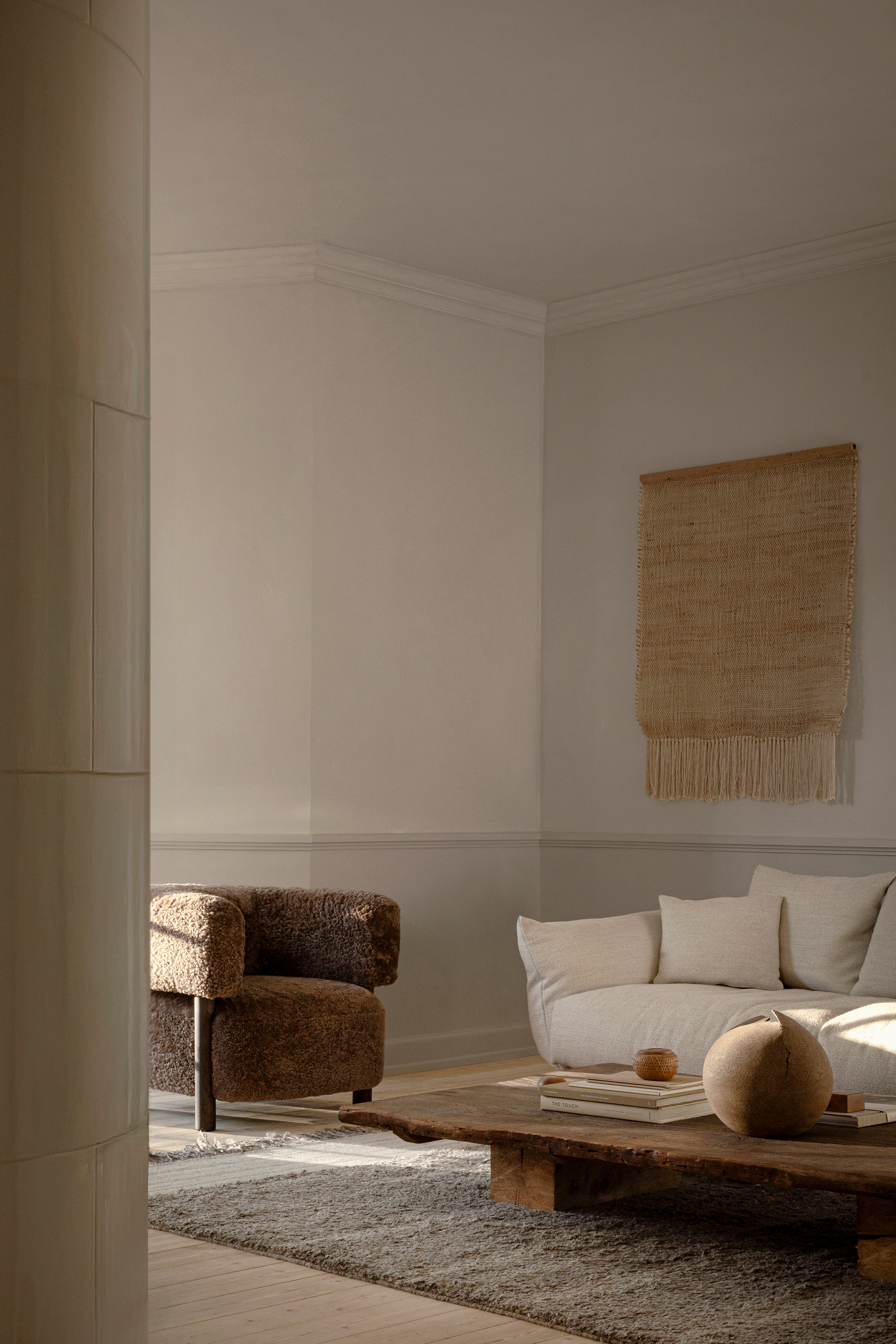
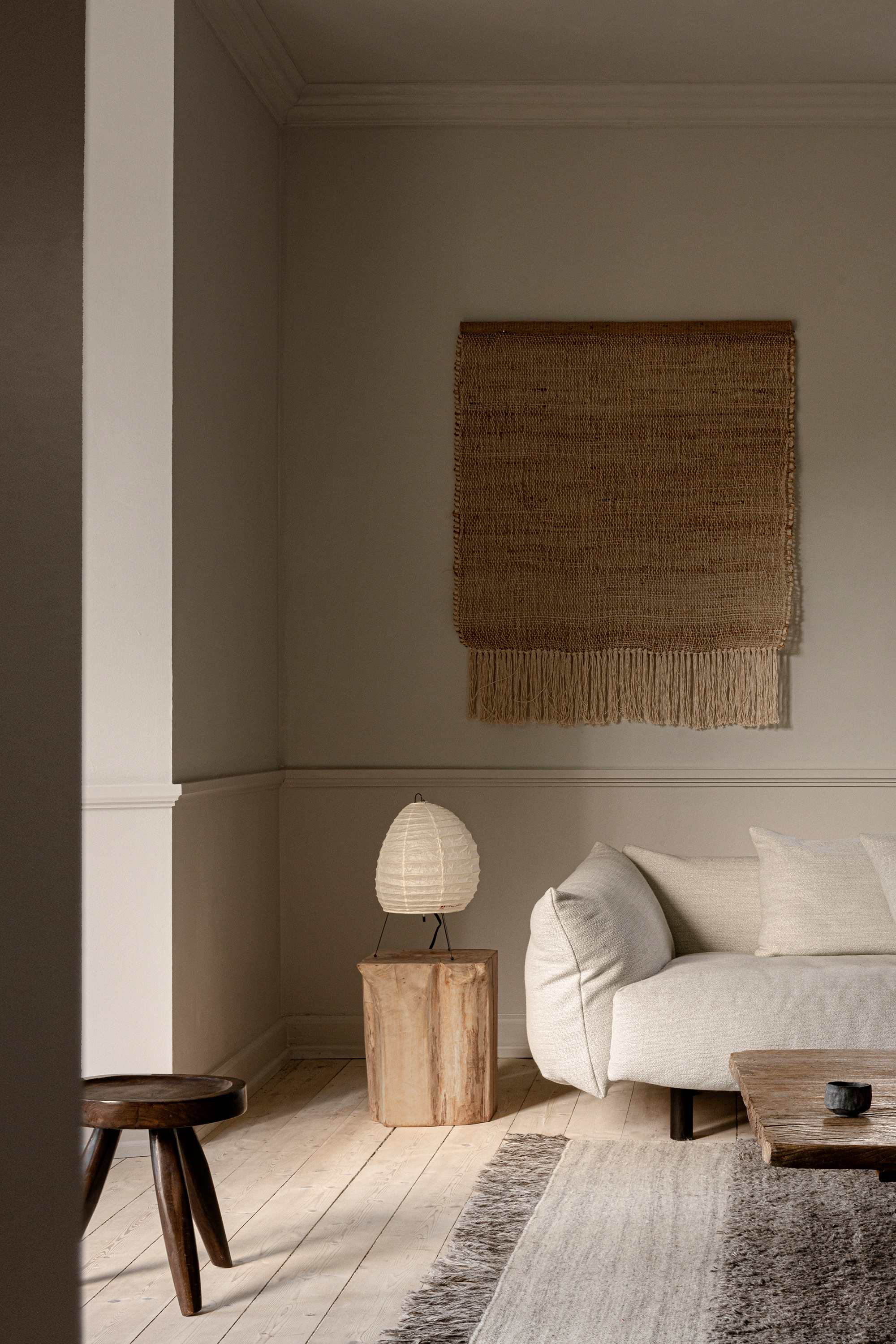
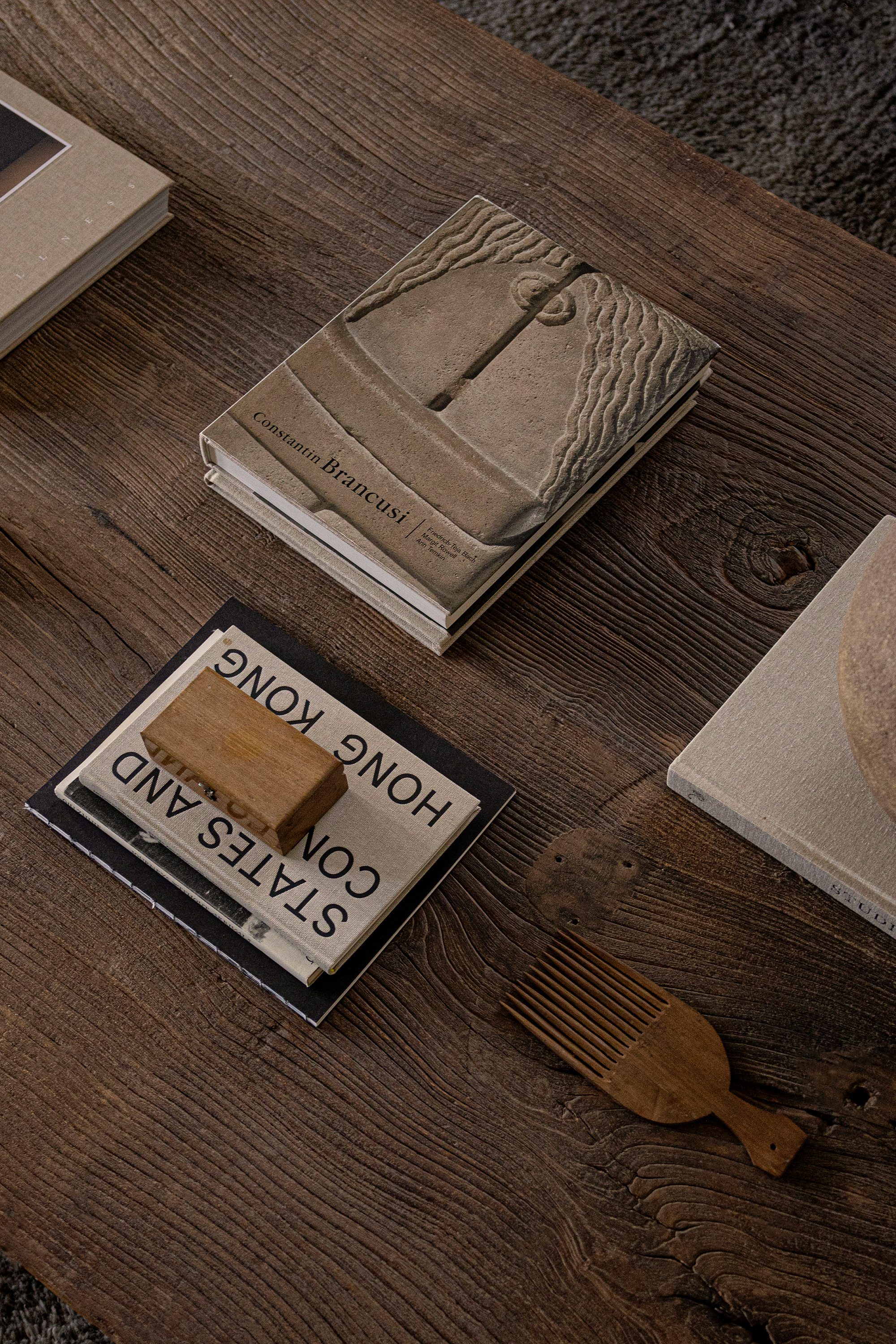
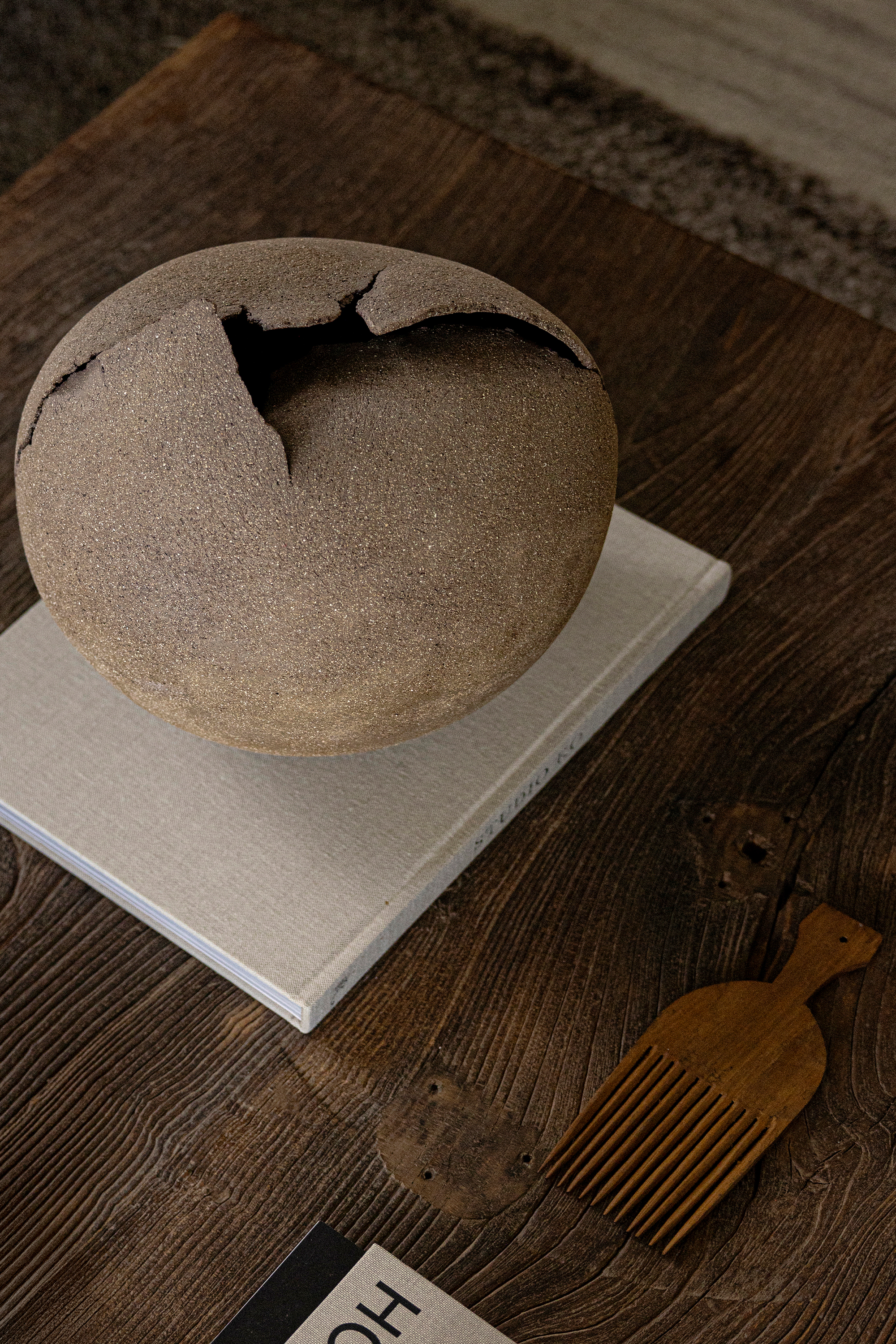
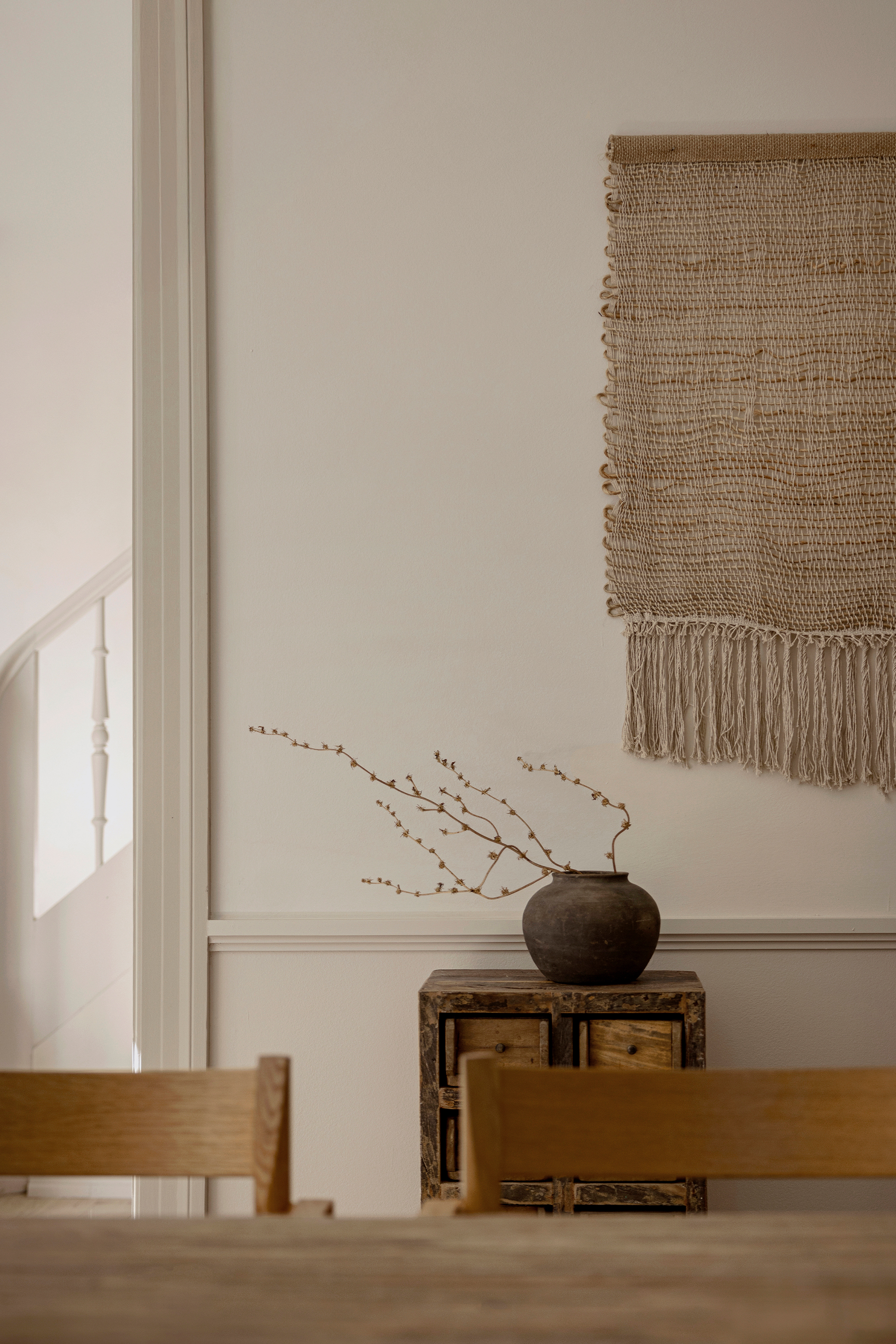
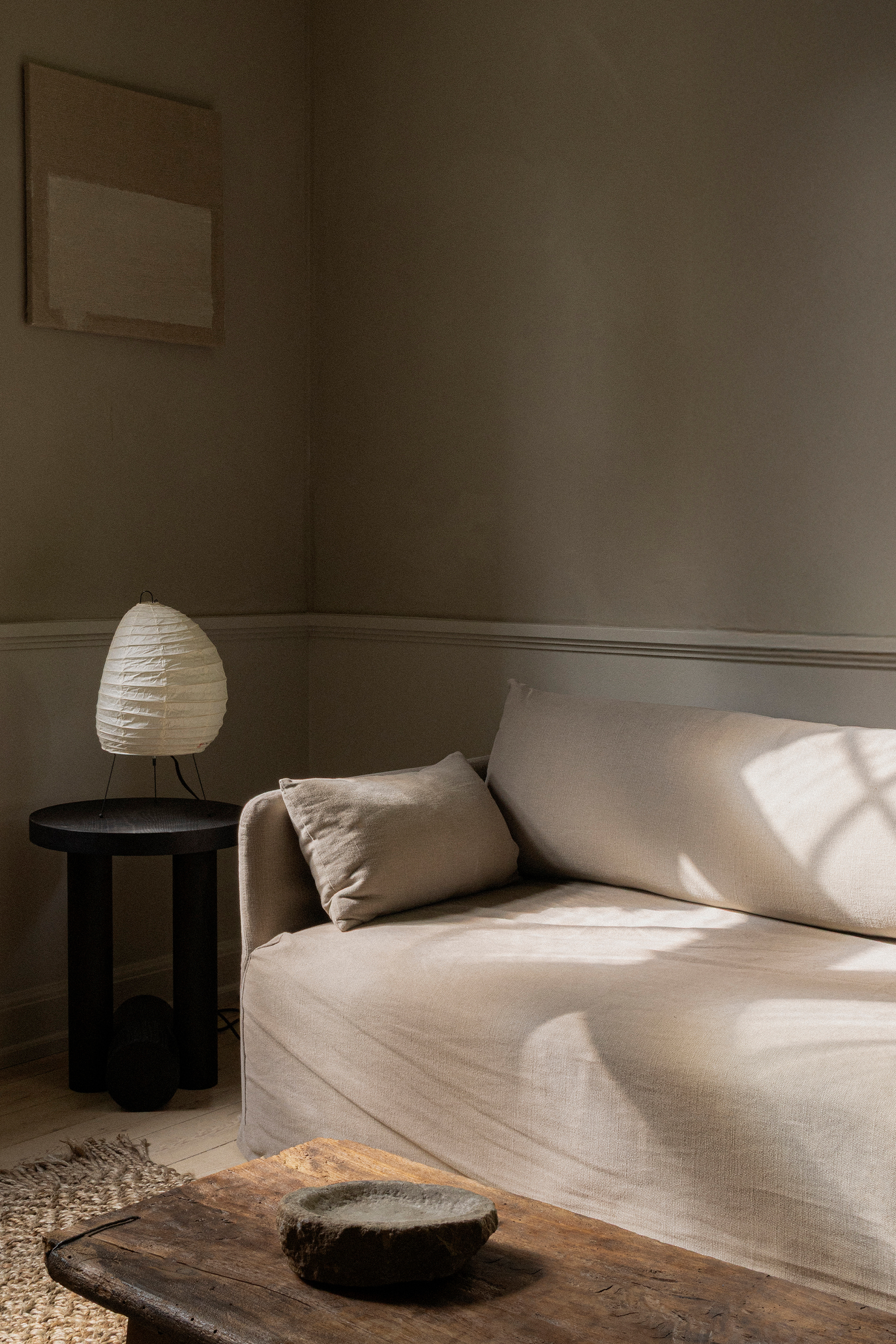
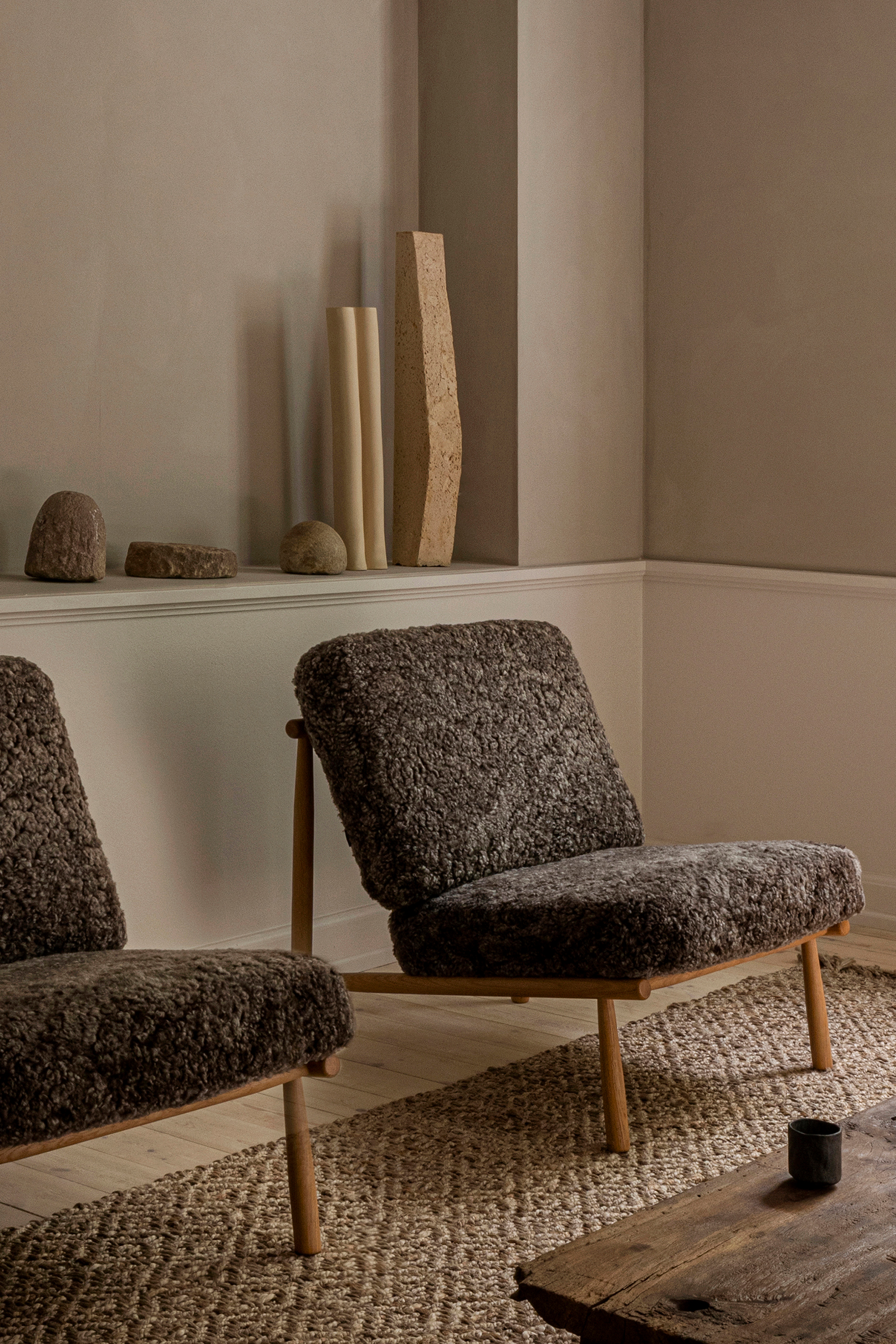
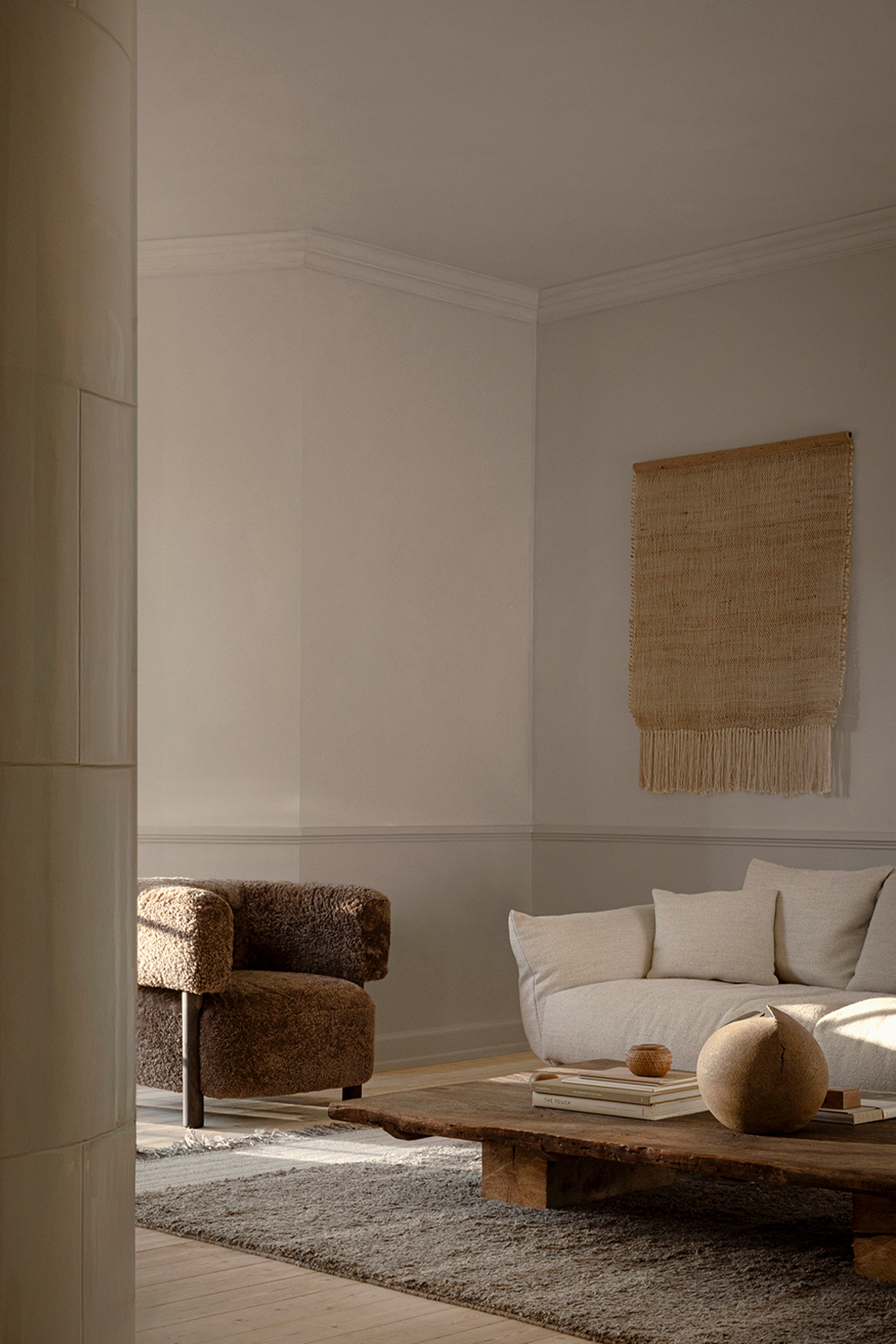
Shaped to echo the atmosphere of the original seaside hotel, the living room combines refined detailing with a sense of rustic ease. Wooden wall paneling sets a calm backdrop, while furniture strikes a deliberate balance between the raw and the soft – an old Chinese door repurposed as a coffee table contrasts gently with a plush sofa and a tactile rug. The result is a space that feels quiet and comfortable; a room for unwinding, where simplicity and material richness speak louder than decoration.

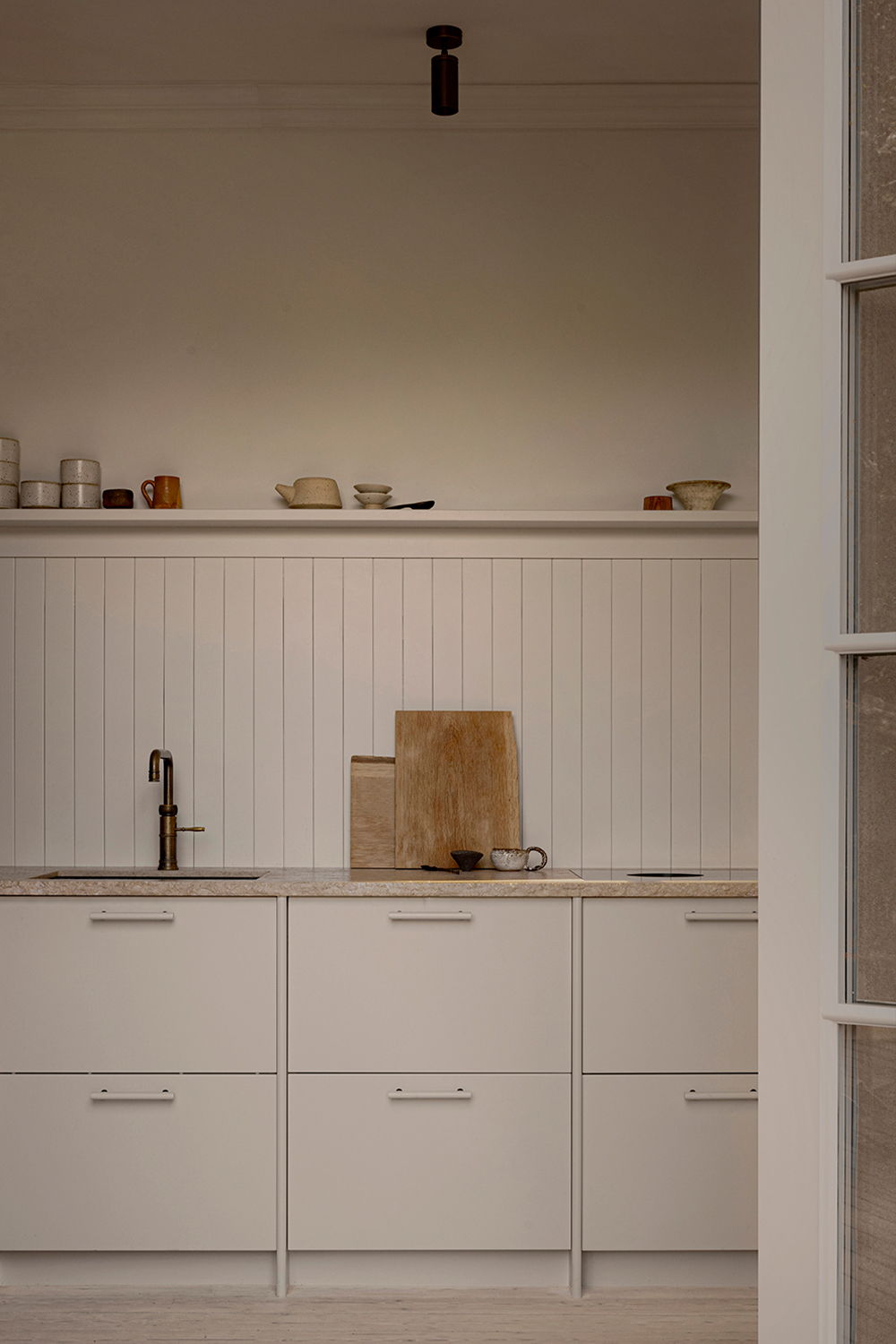
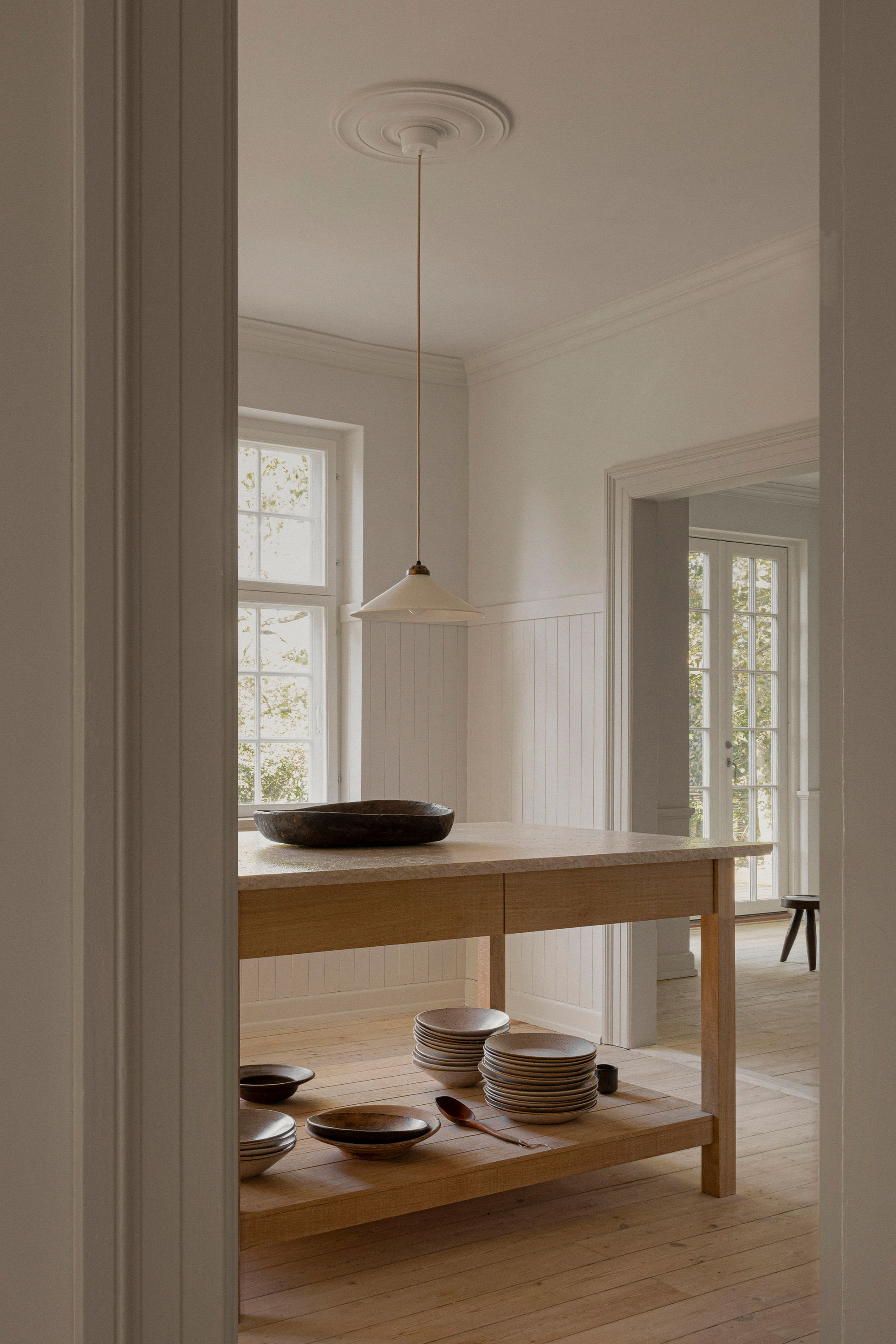
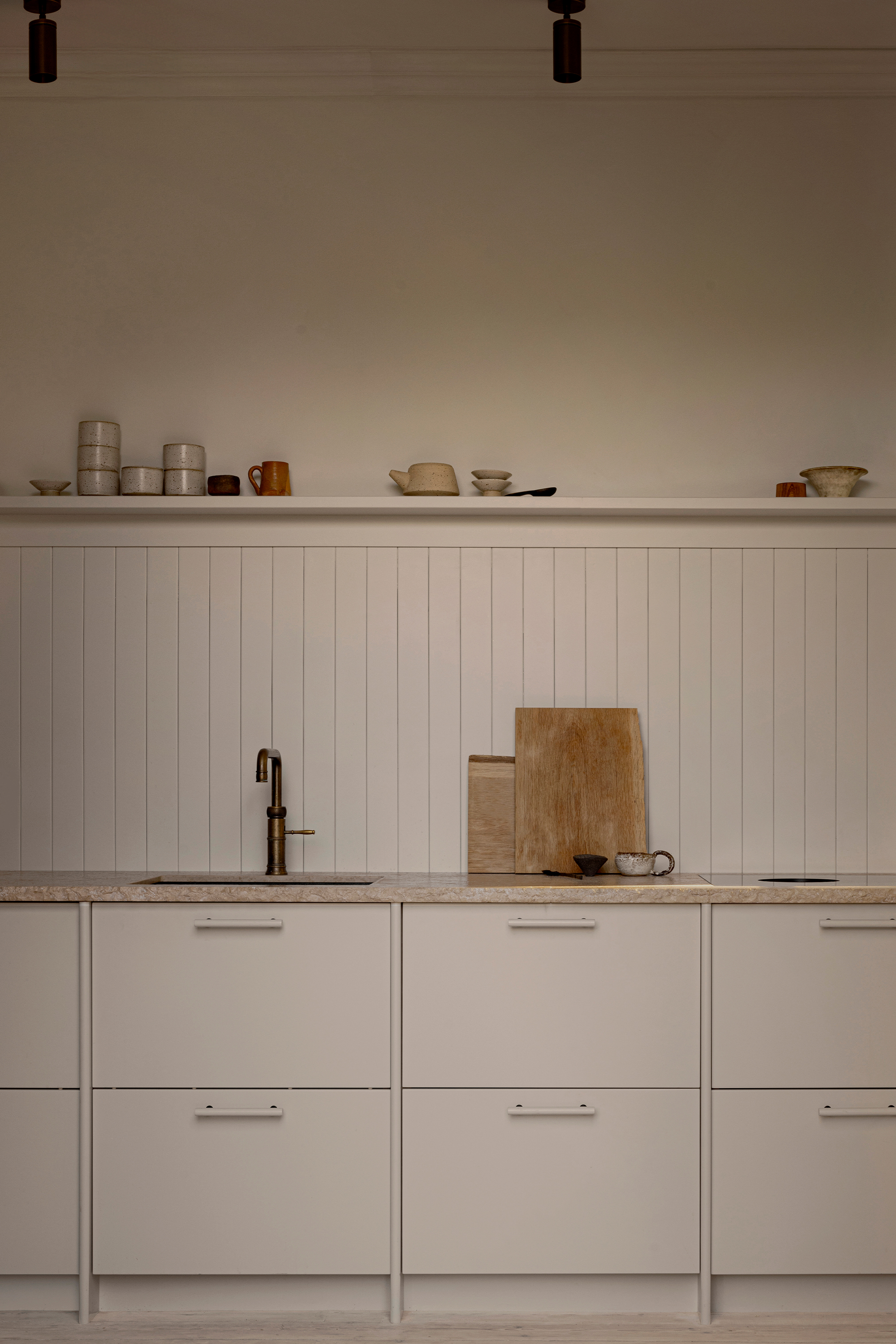
The kitchen is custom designed and crafted as both a functional workspace and natural gathering place for daily life. Rustic countertops in Italian limestone with a bush-hammered finish bring a tactile depth, while built-in cabinets and bespoke carpentry solutions ensure a seamless sense of order.

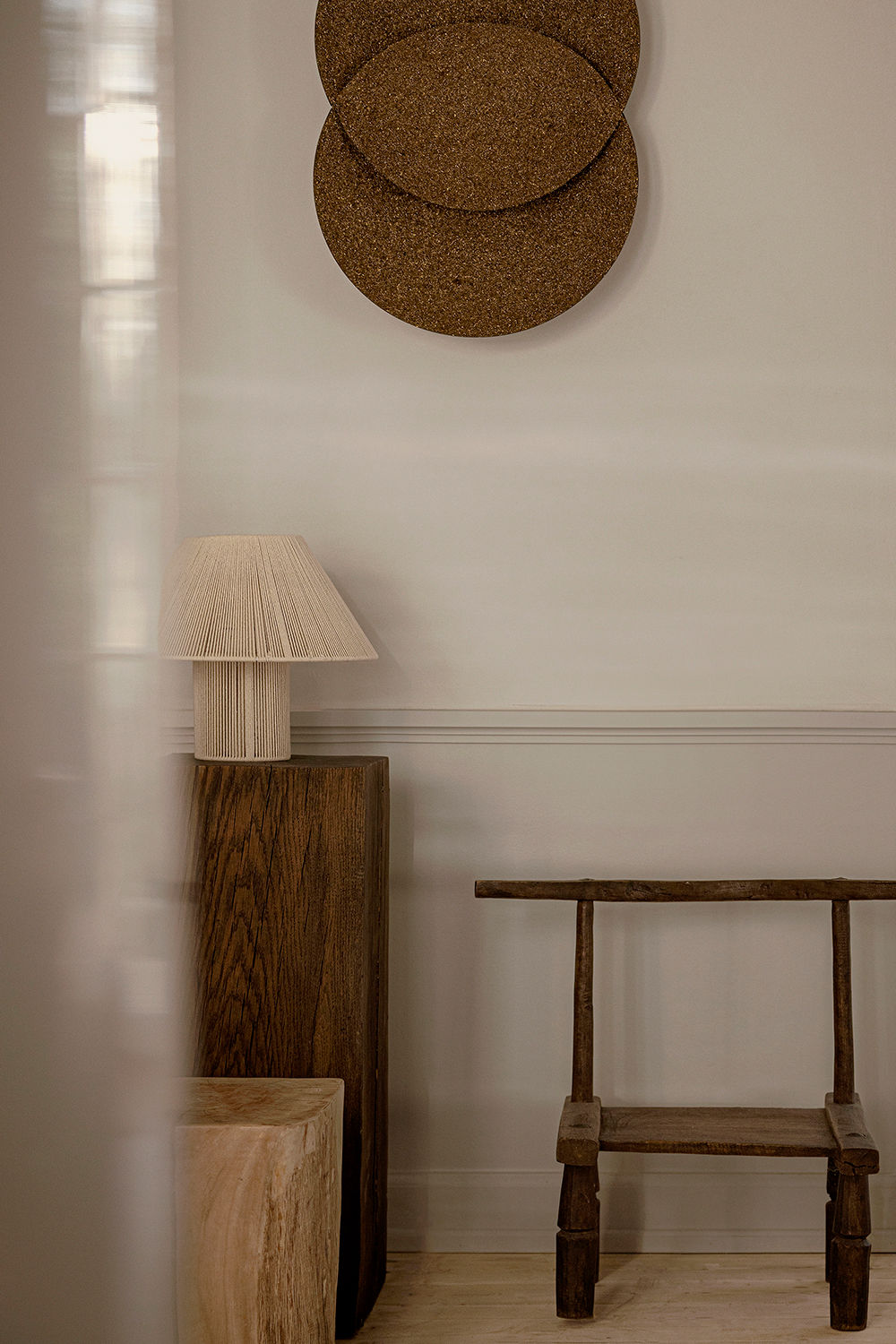
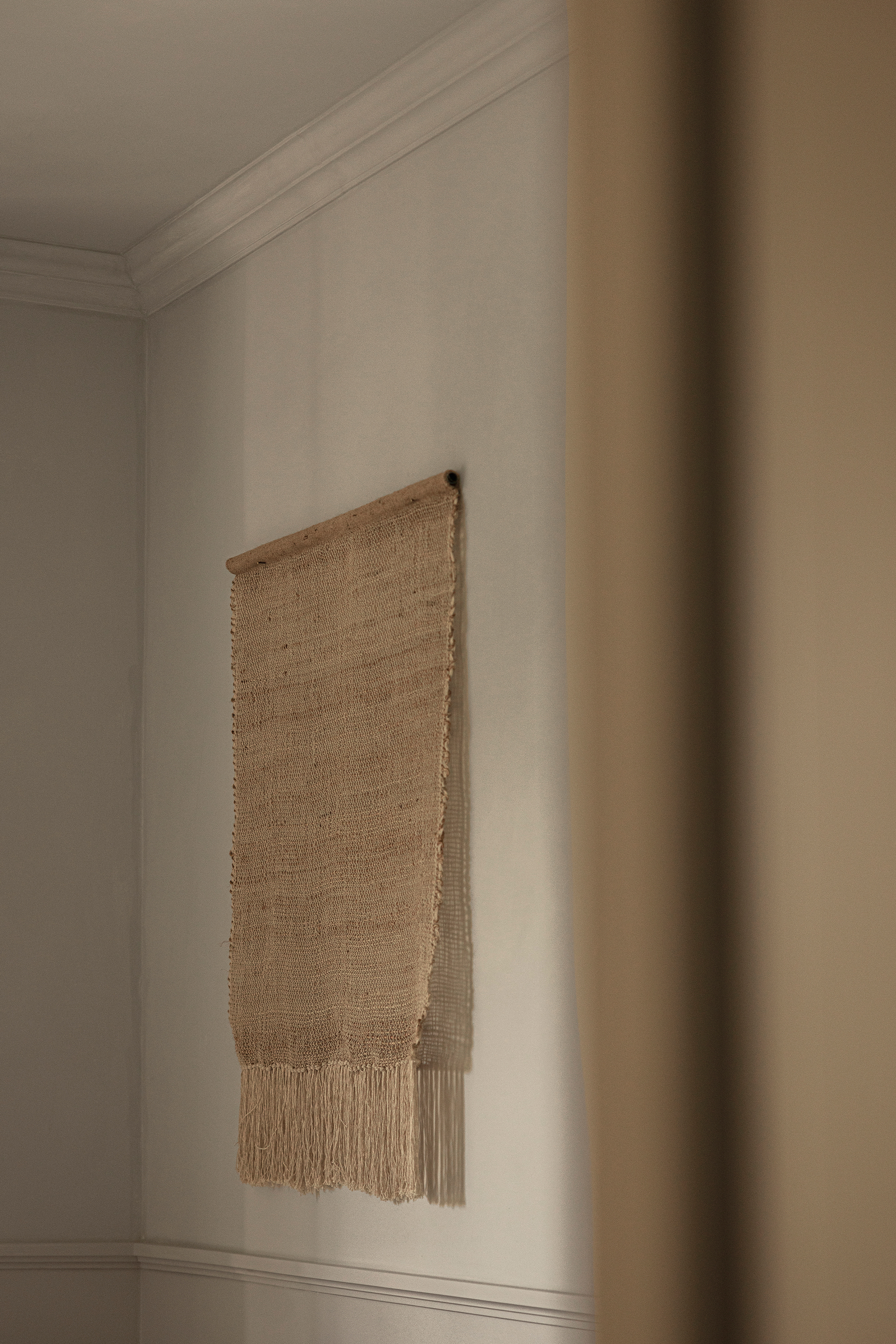
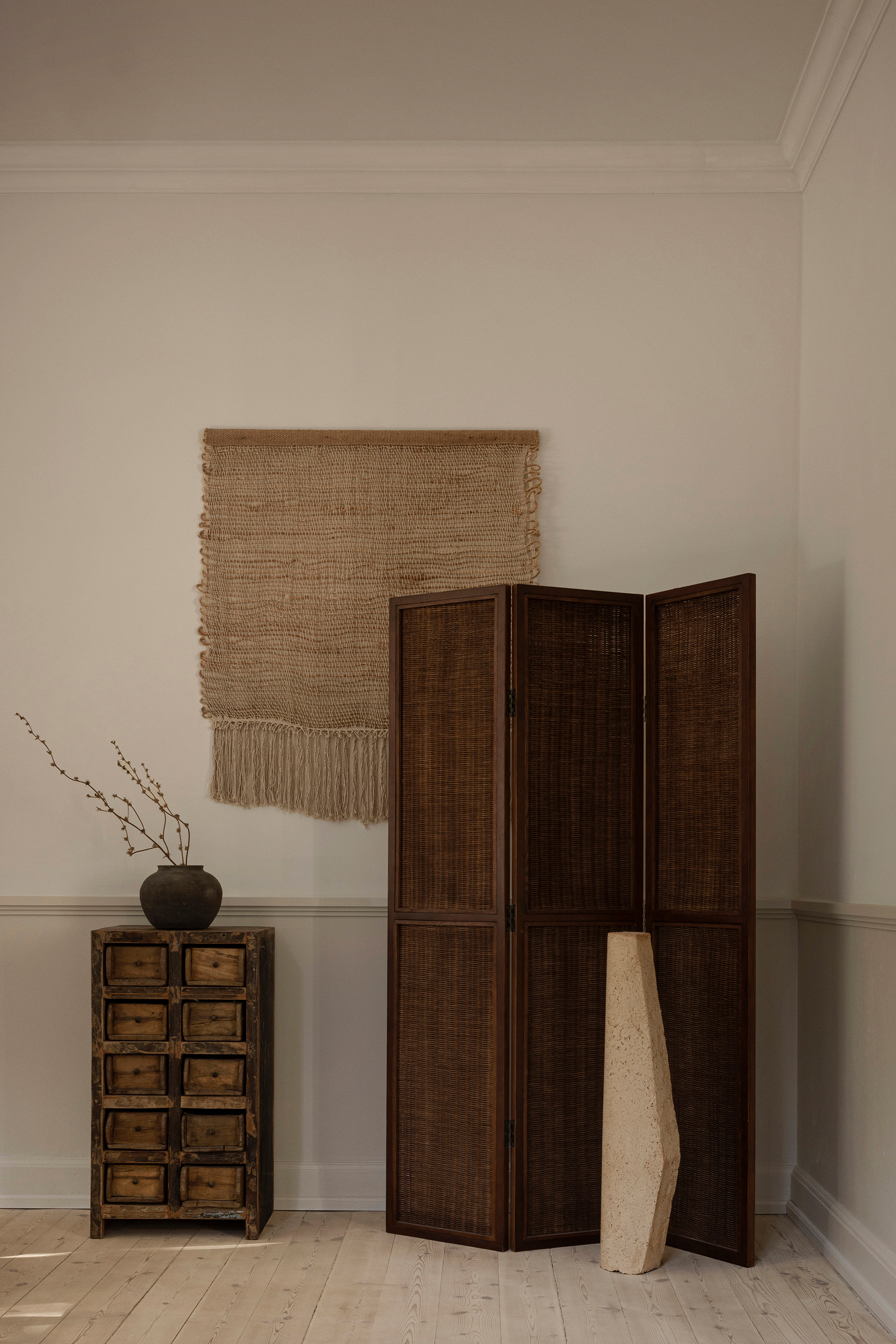
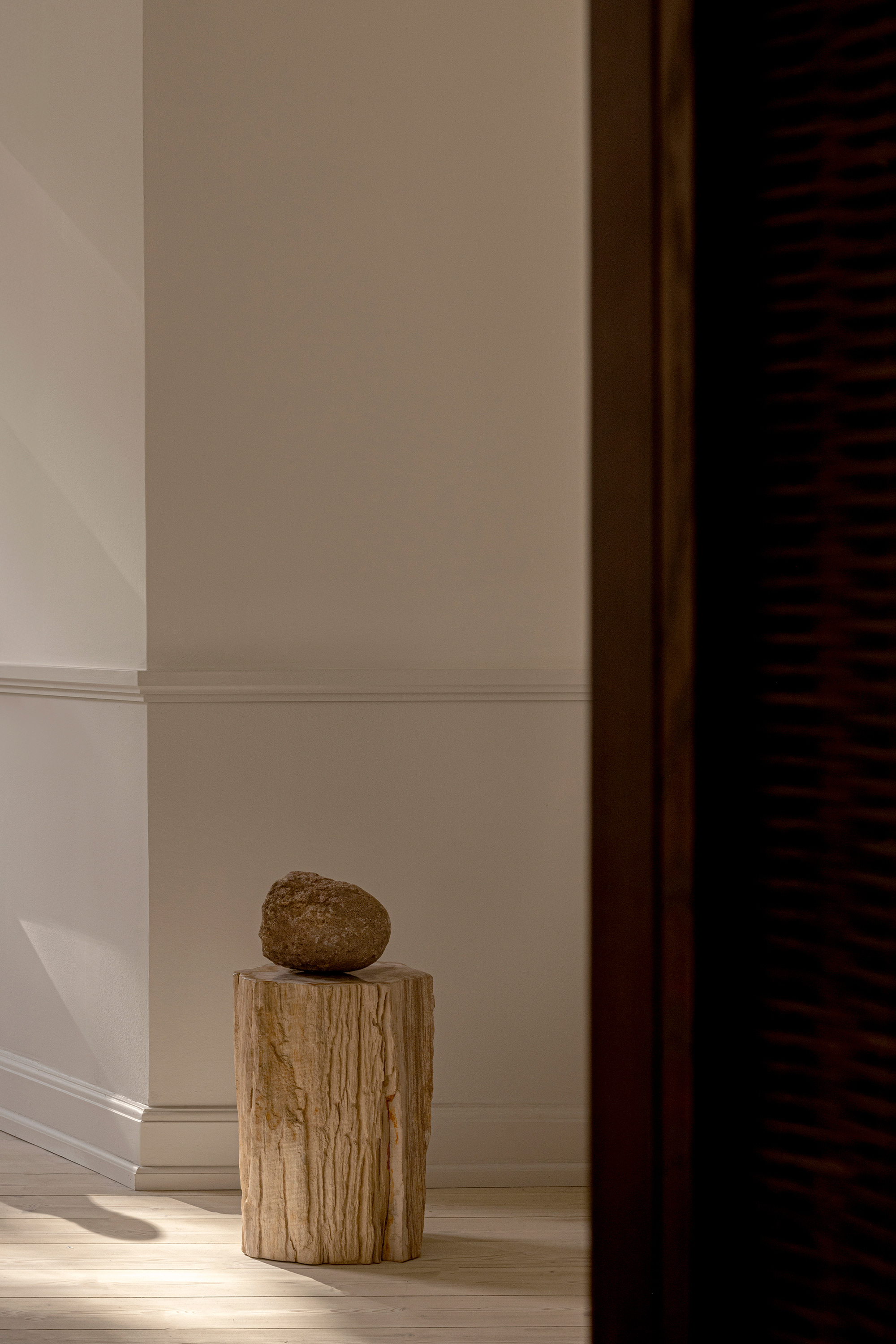
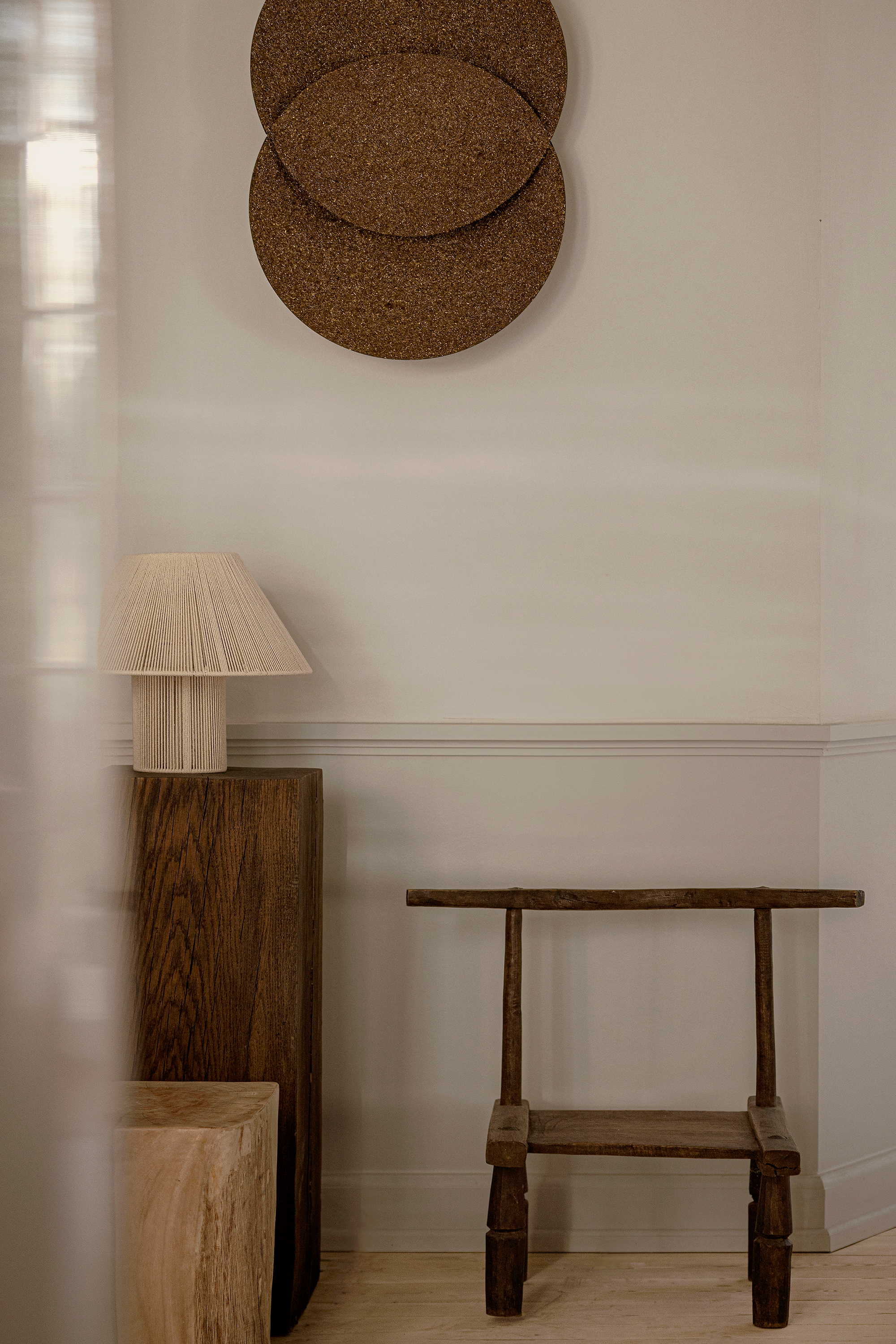
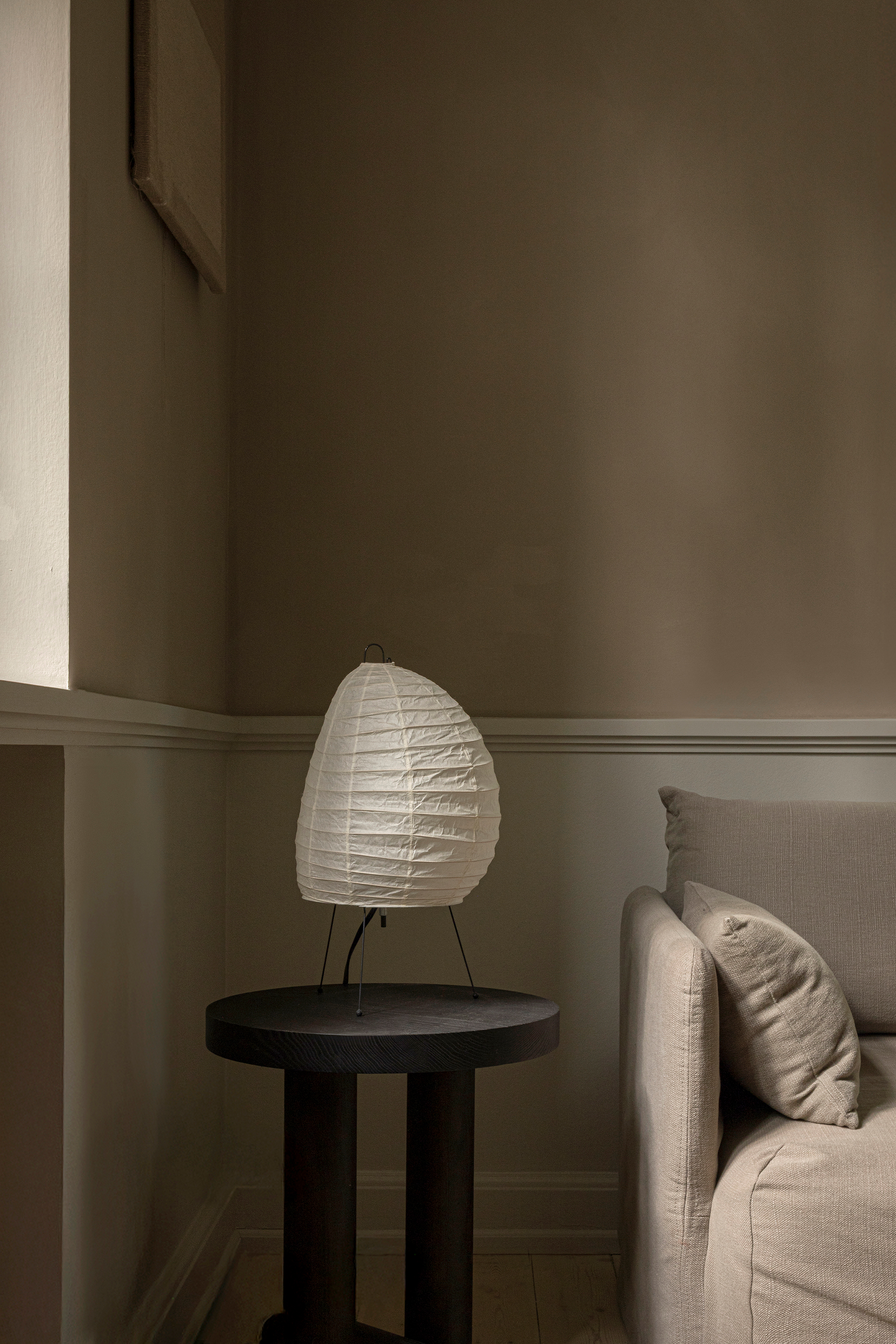
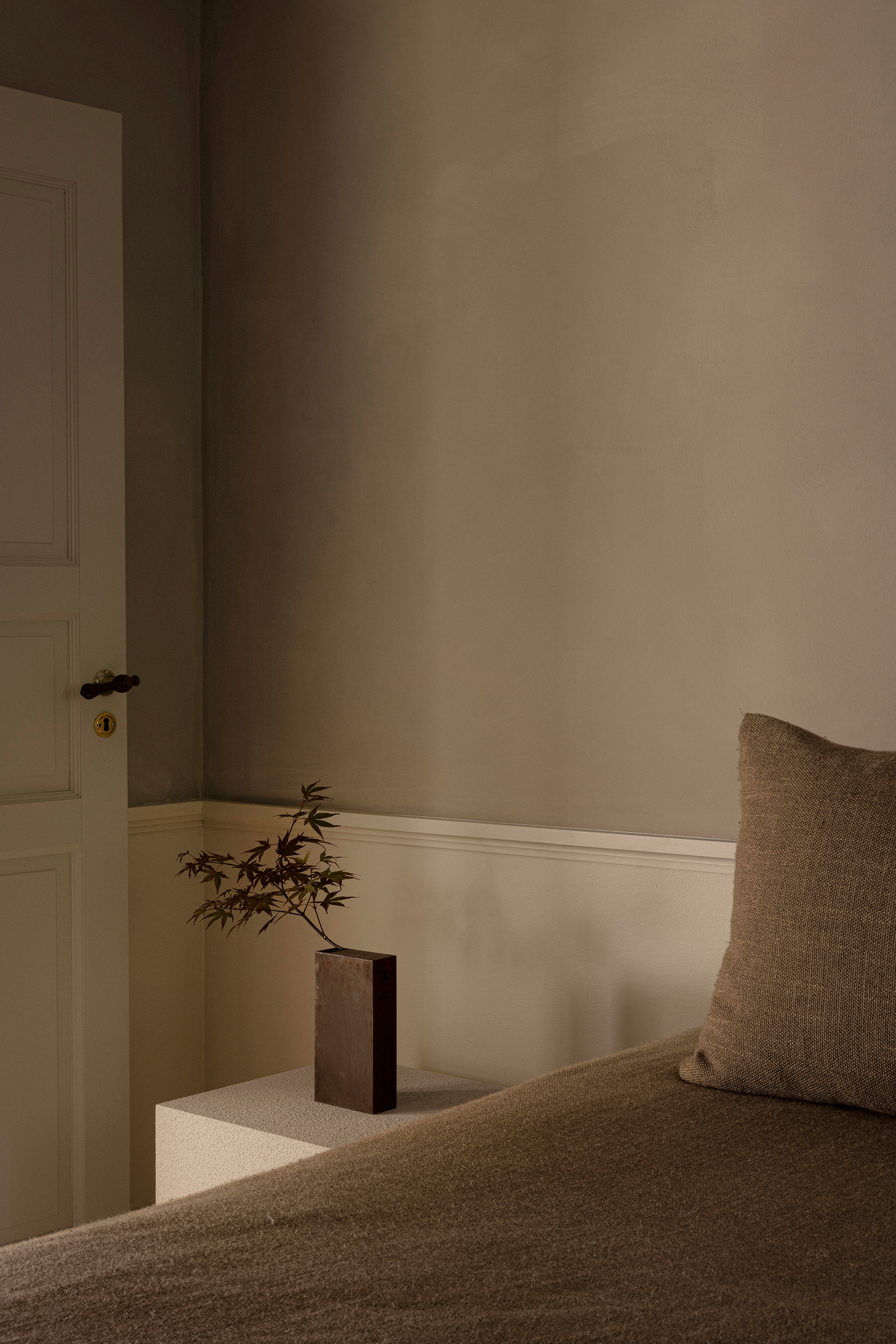
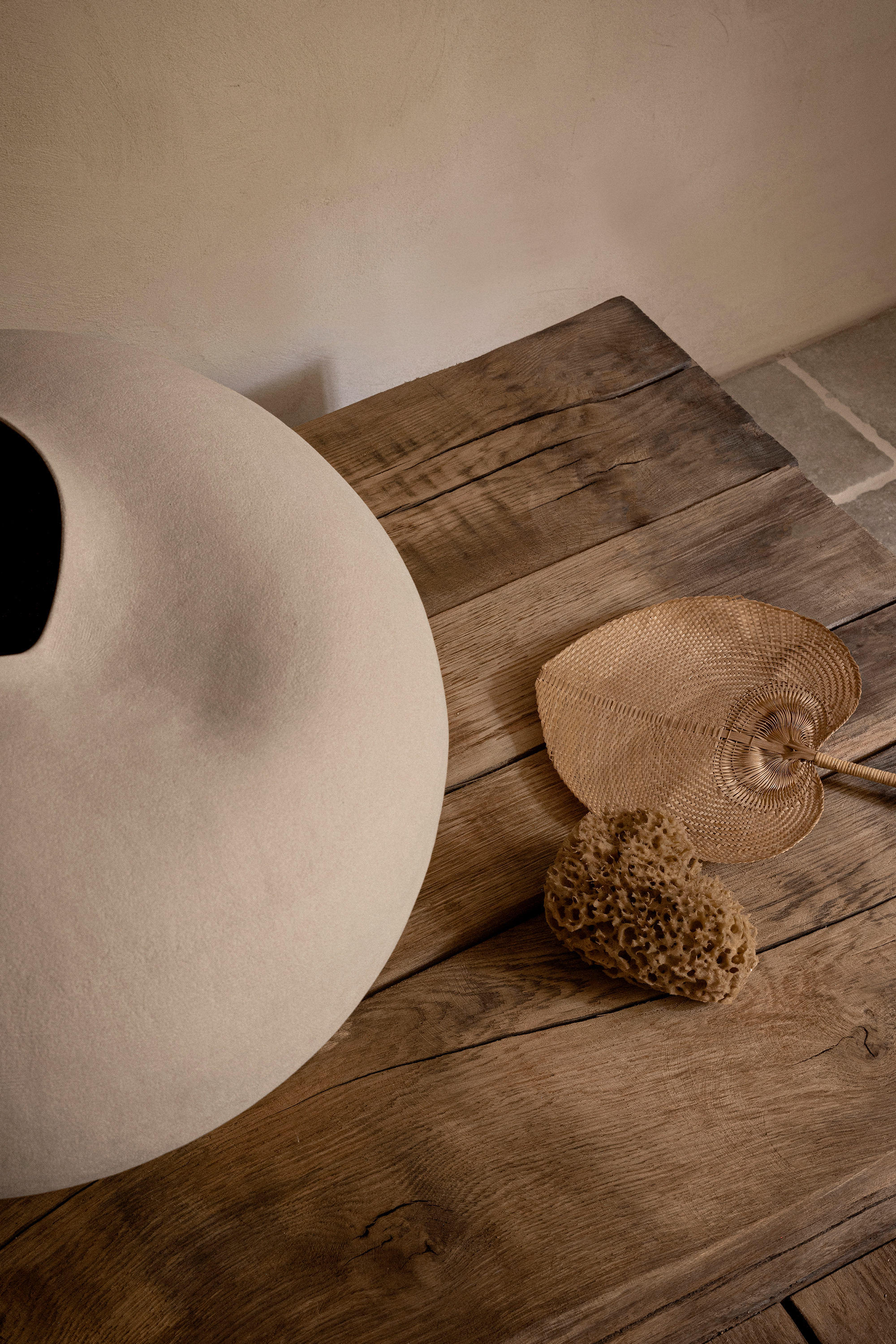
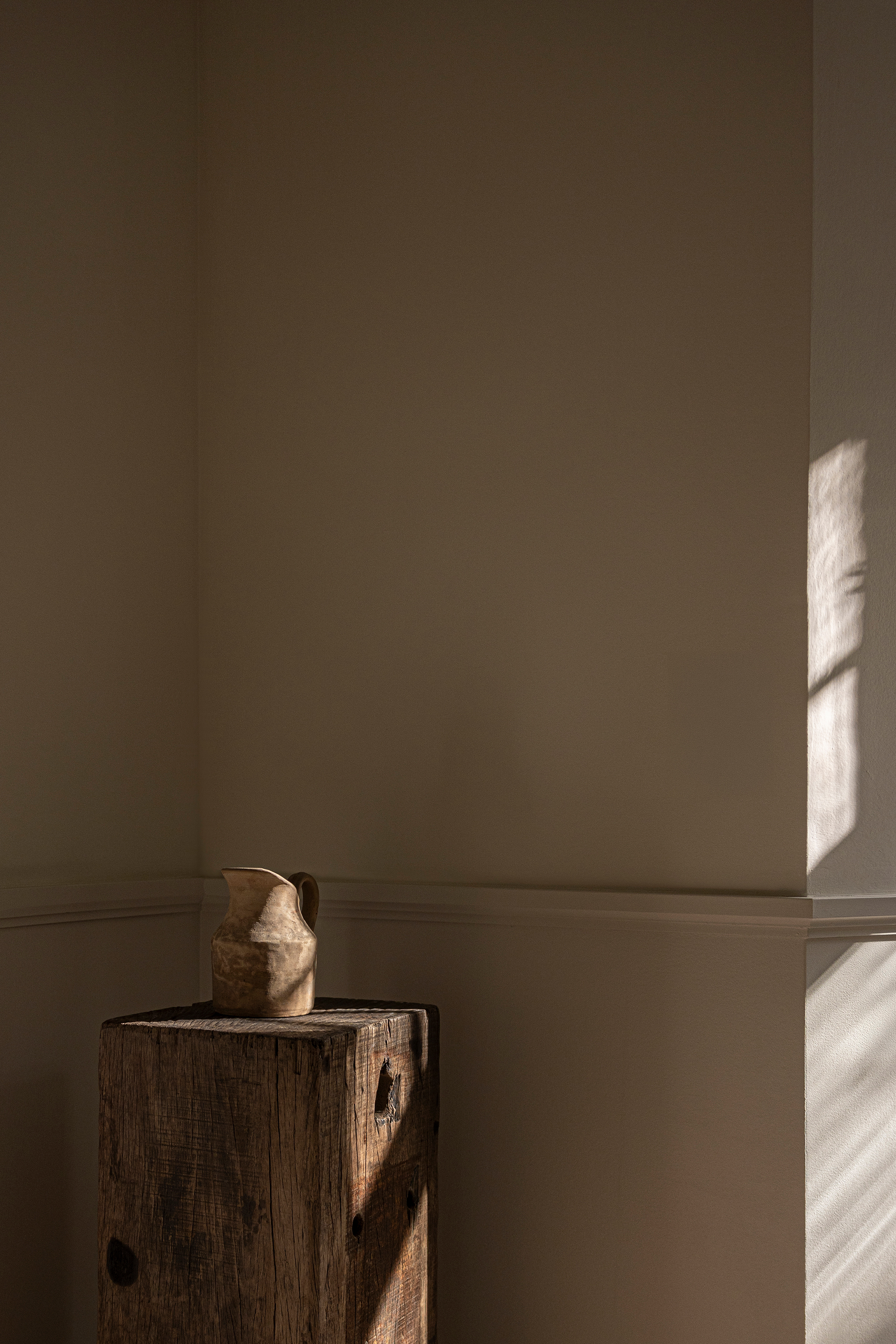
A lounge area is designed as a calm retreat, where walls and ceiling are painted in the same muted shade, creating a cocoon-like atmosphere. Lighter-toned panels add a subtle contrast, while natural objects punctuate the space, grounding it in a sense of simplicity and ease.

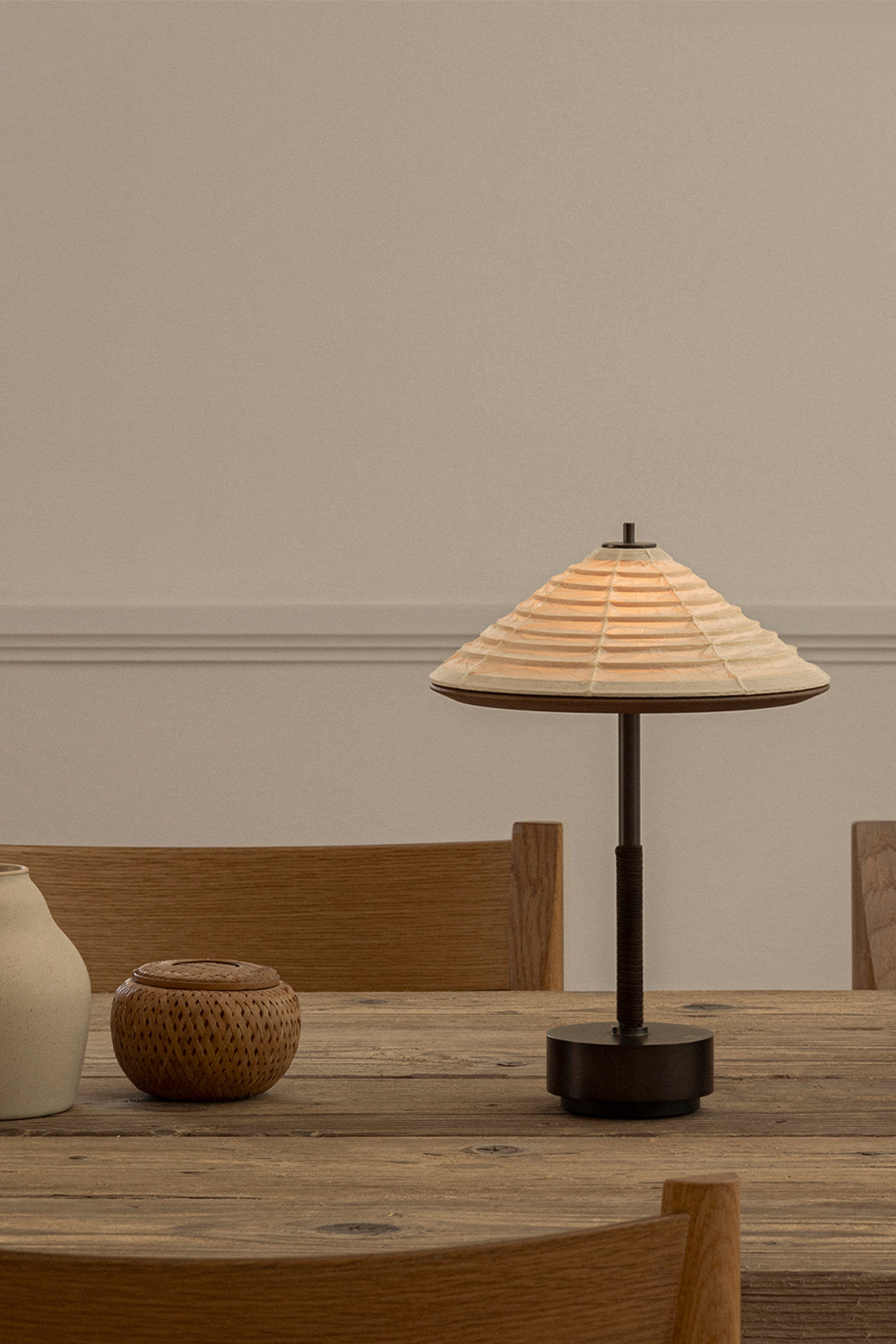
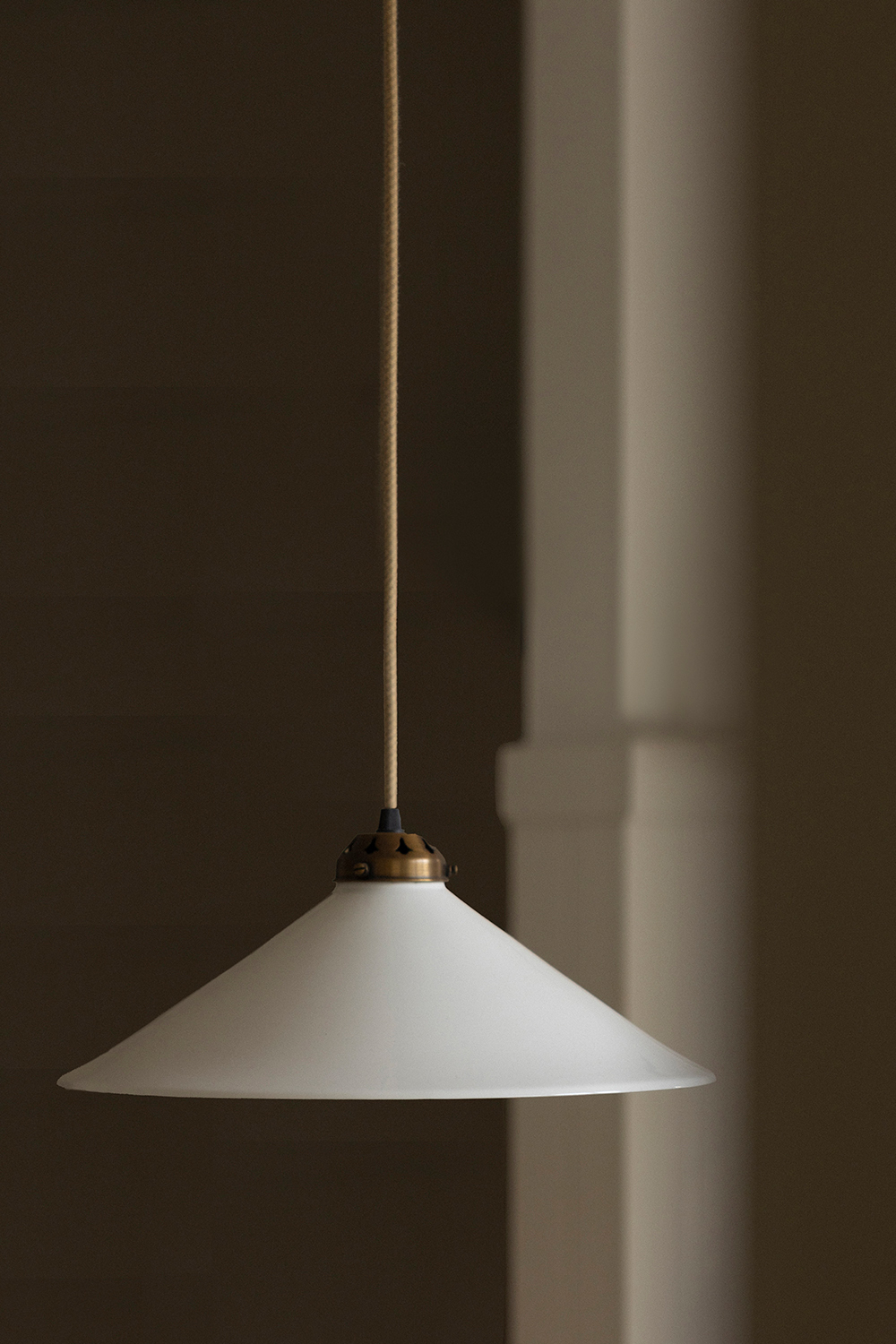
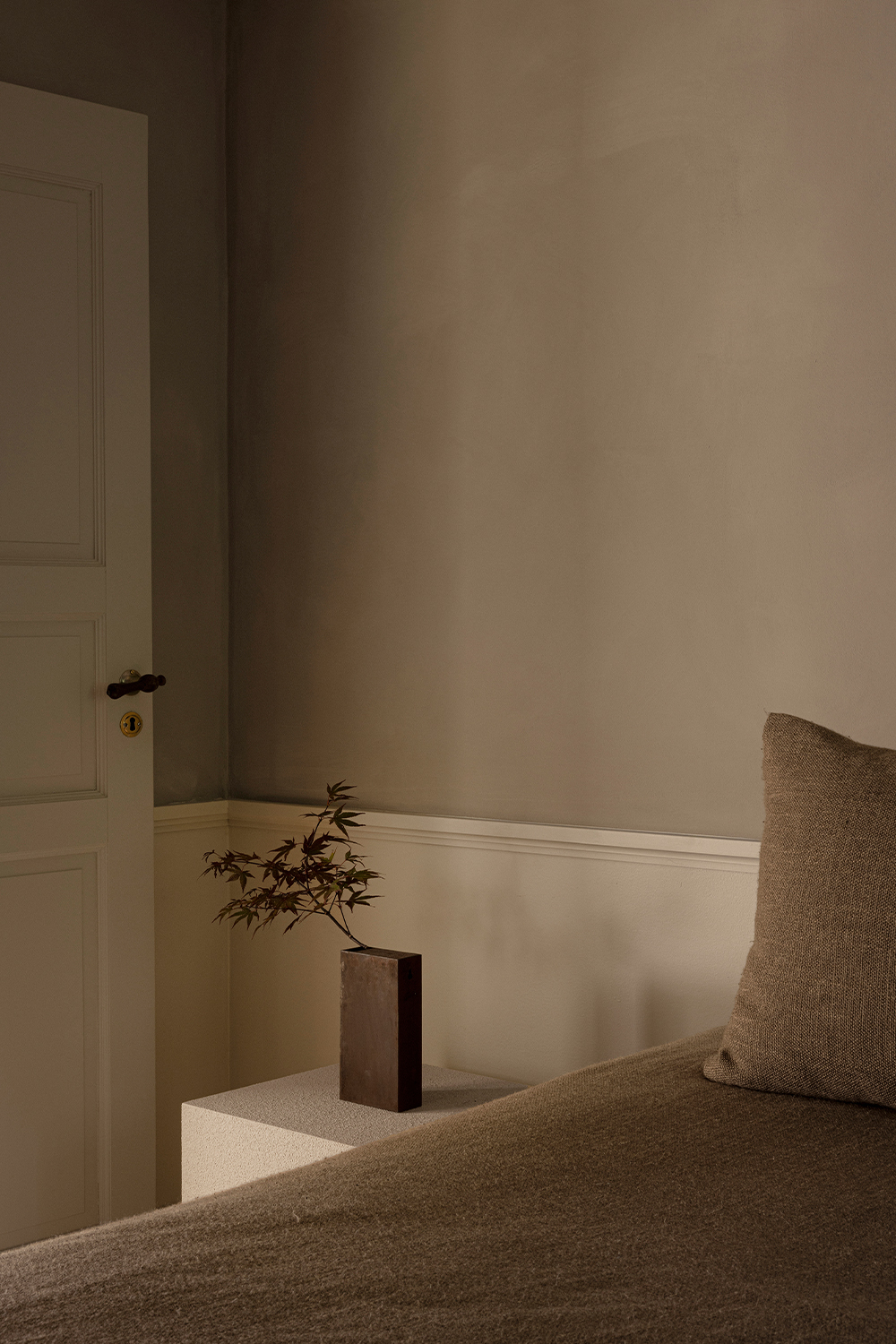
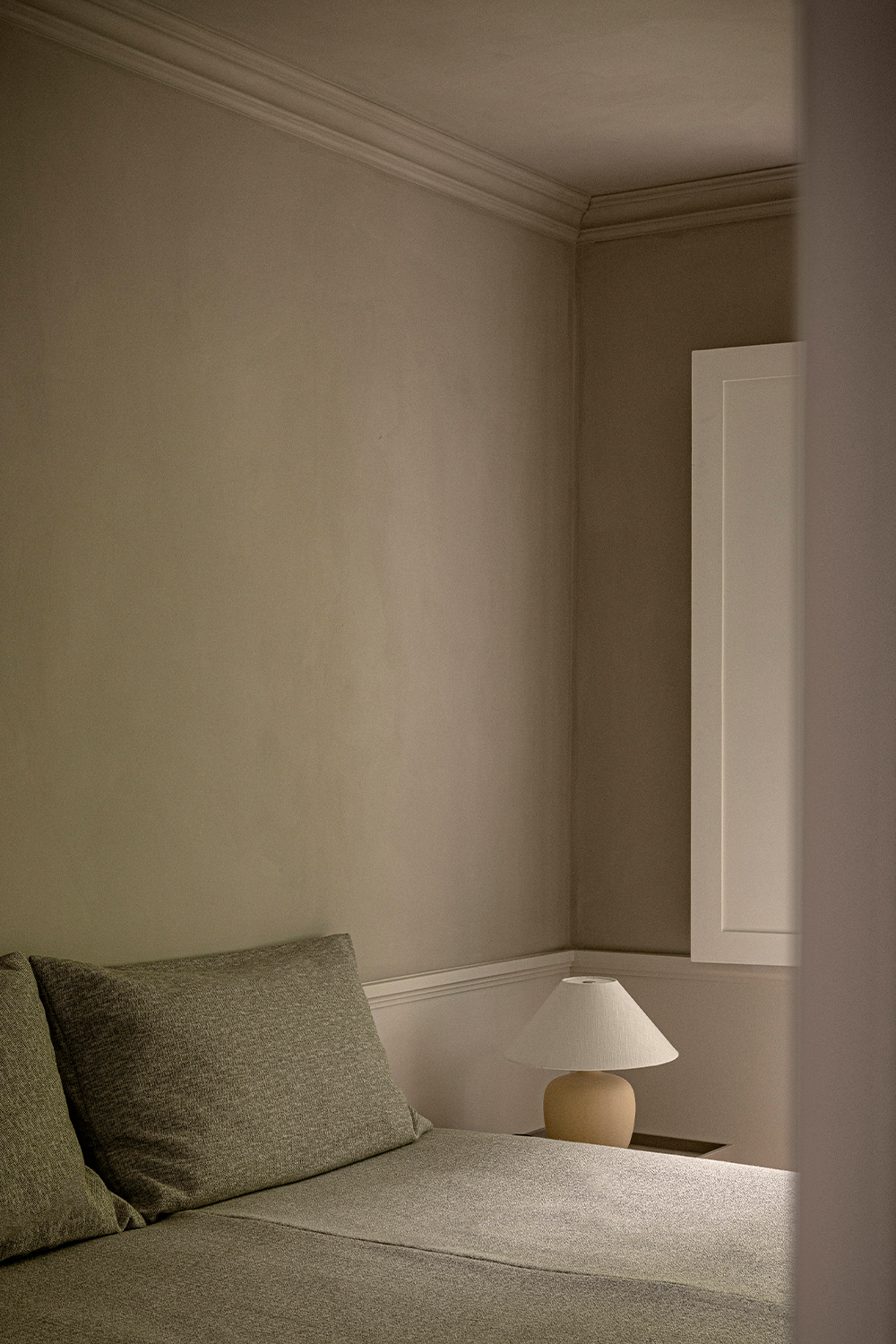
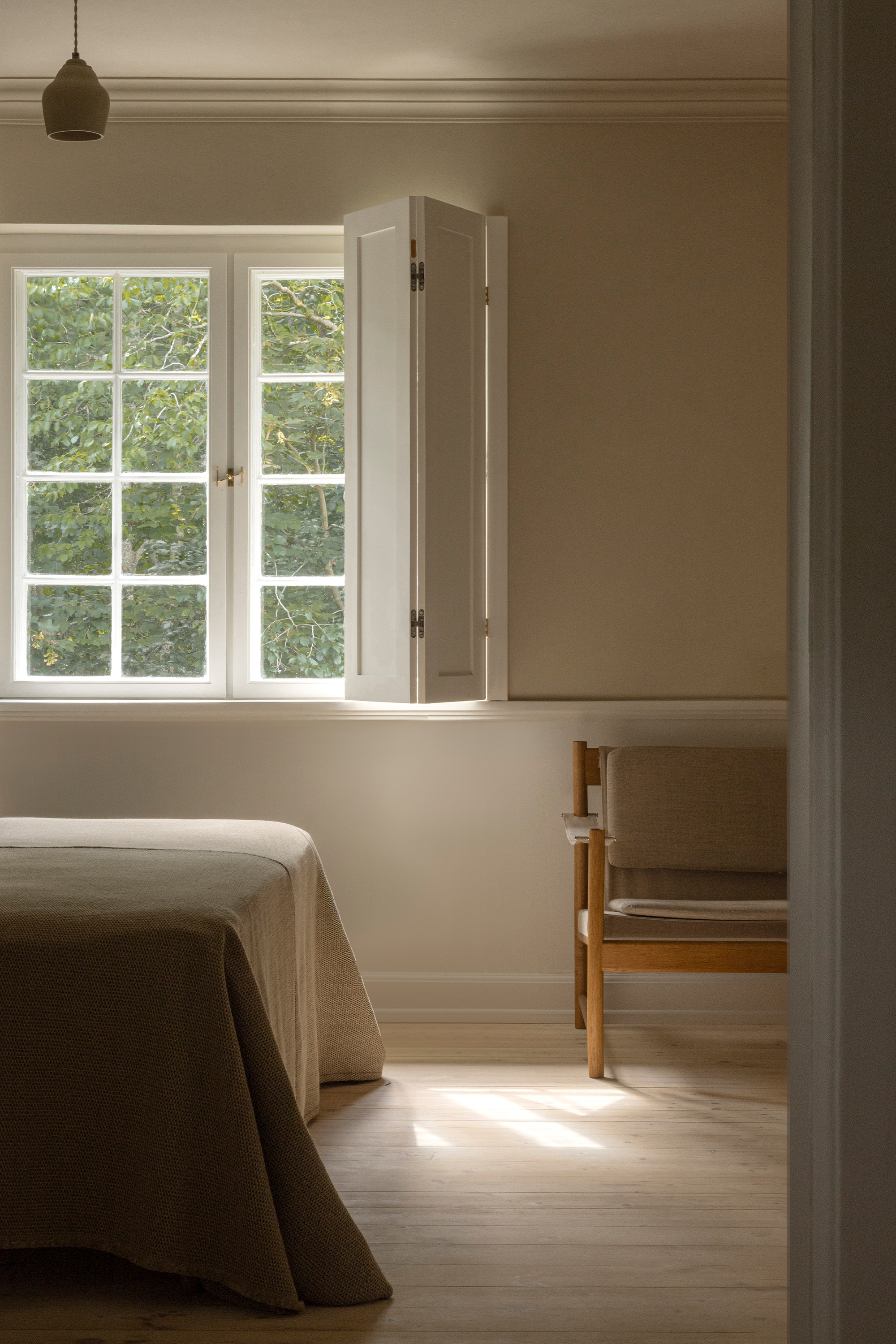
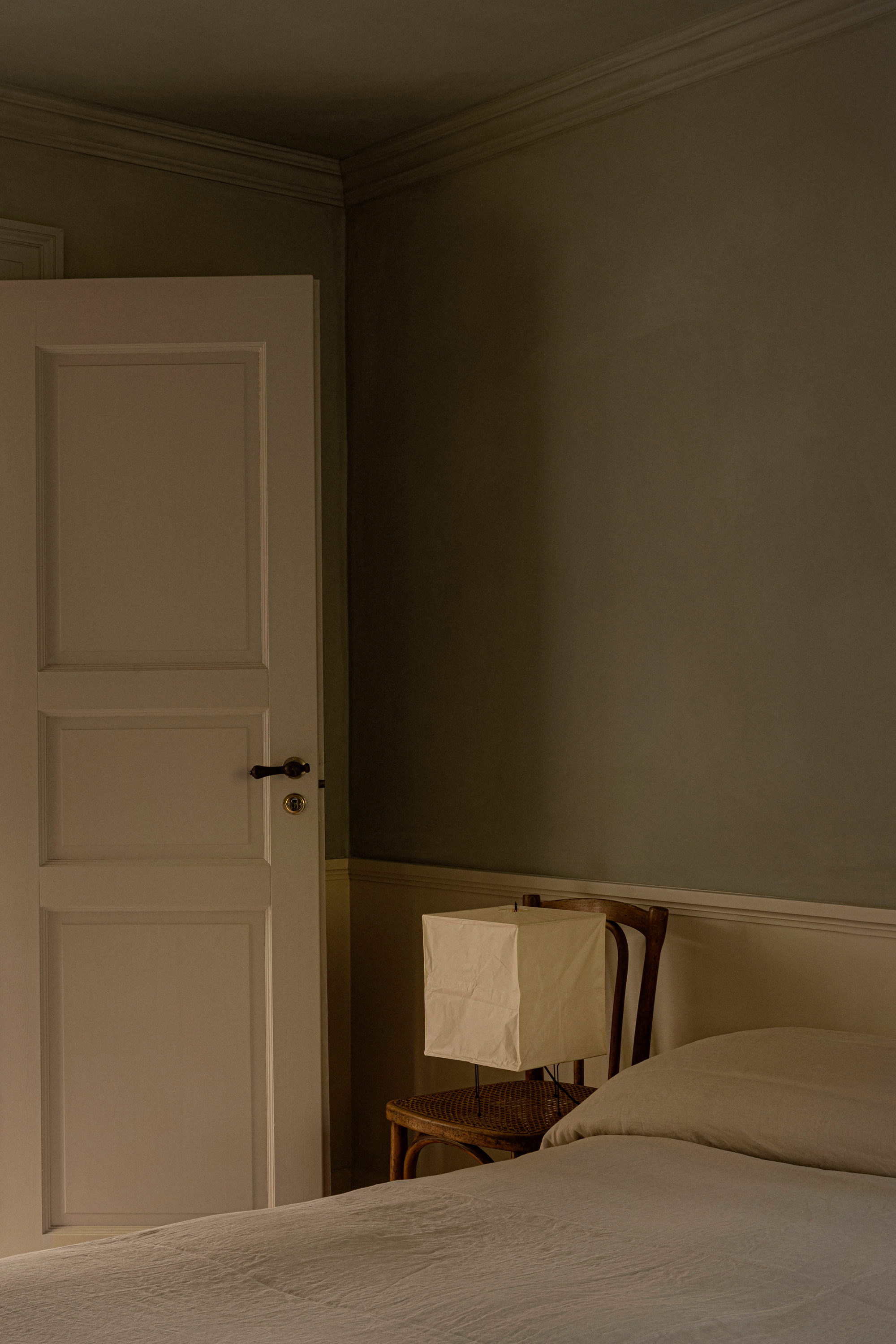
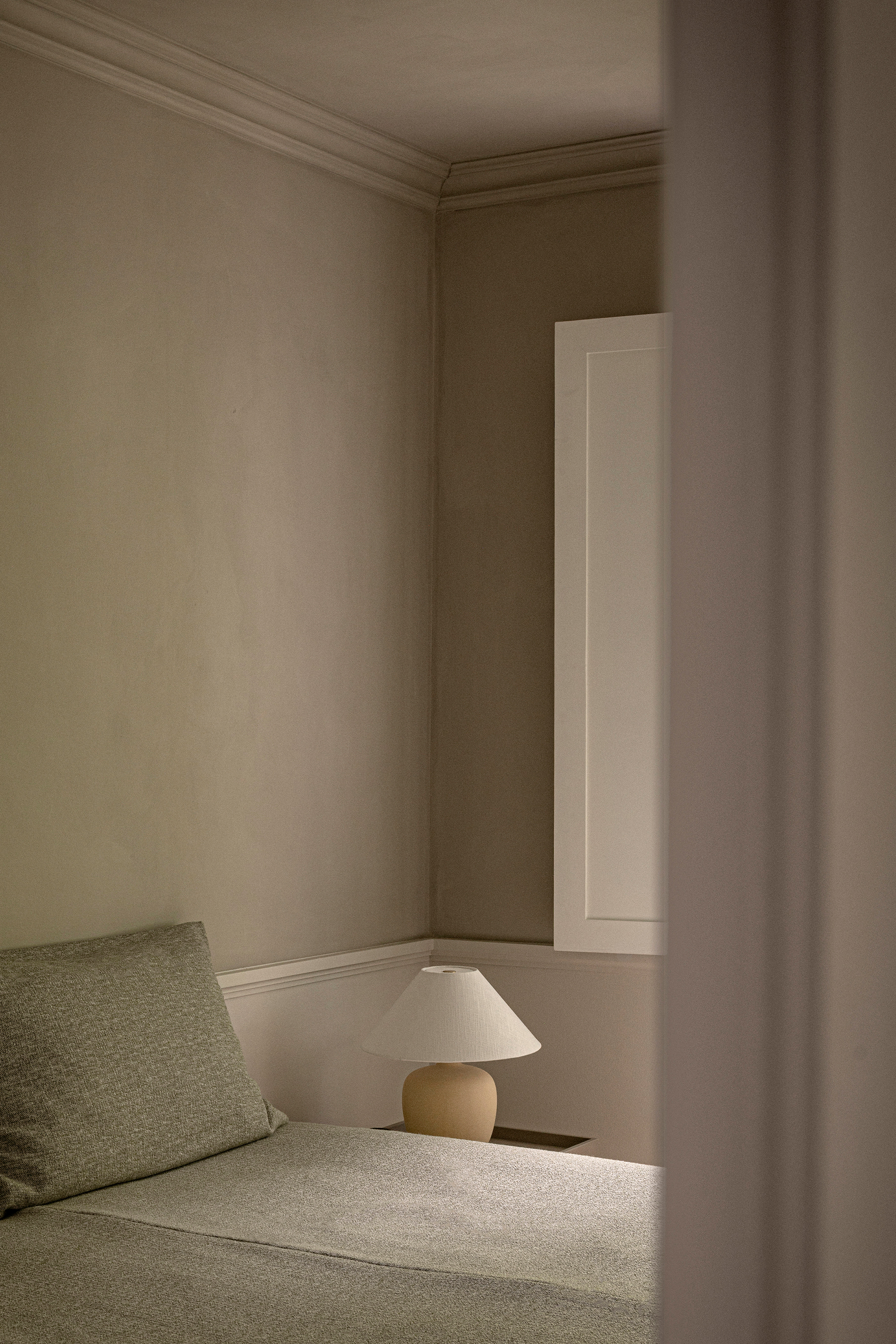
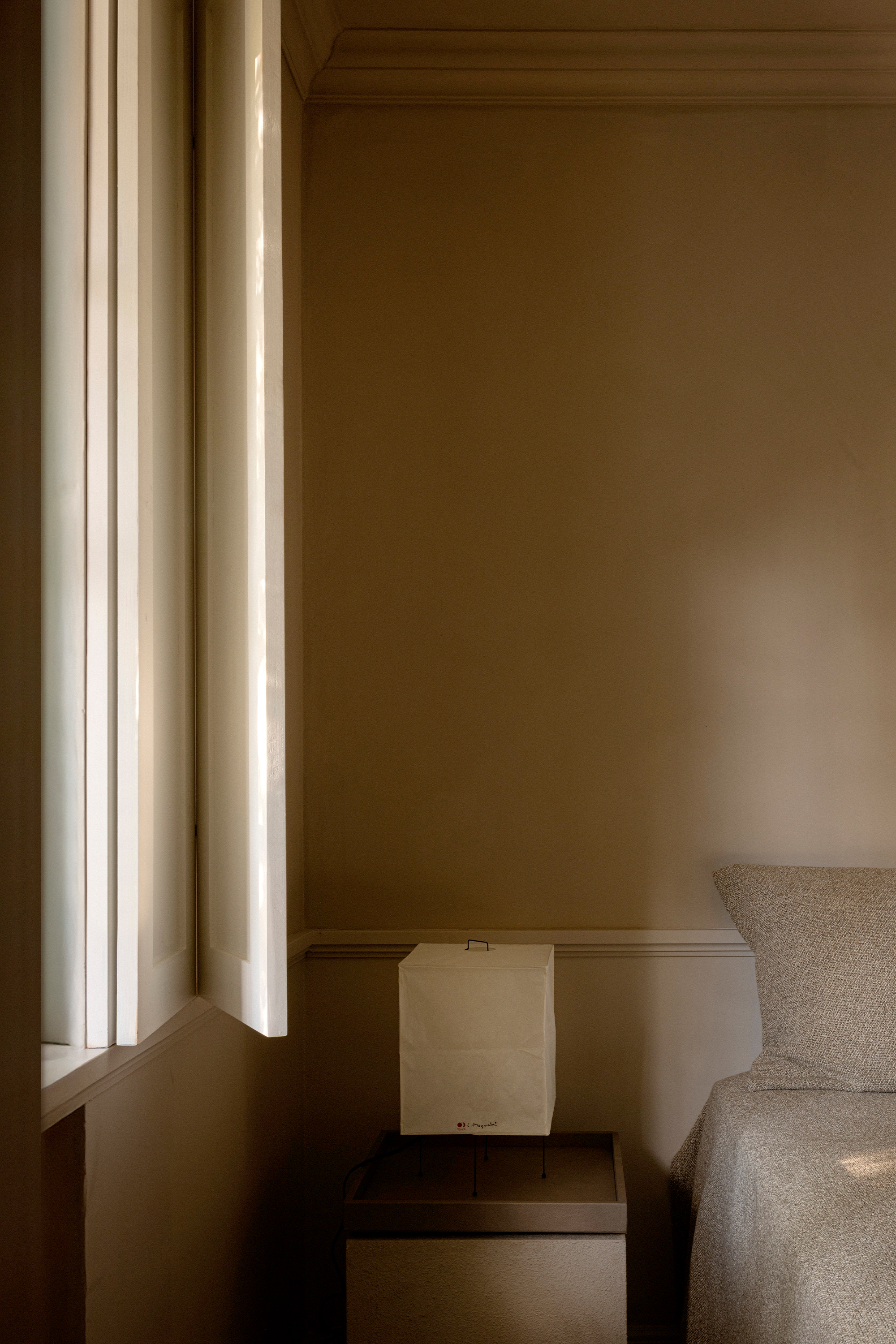
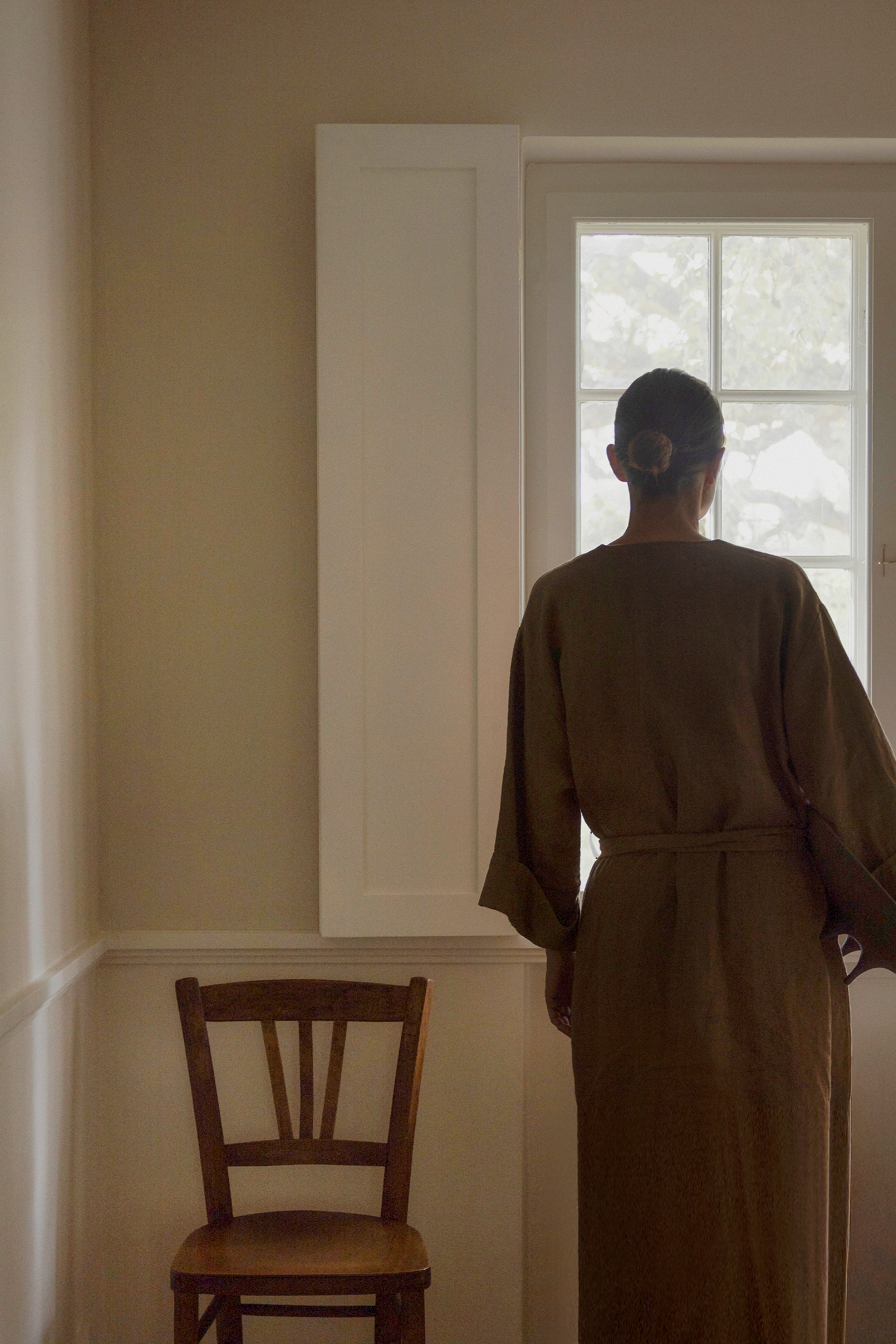
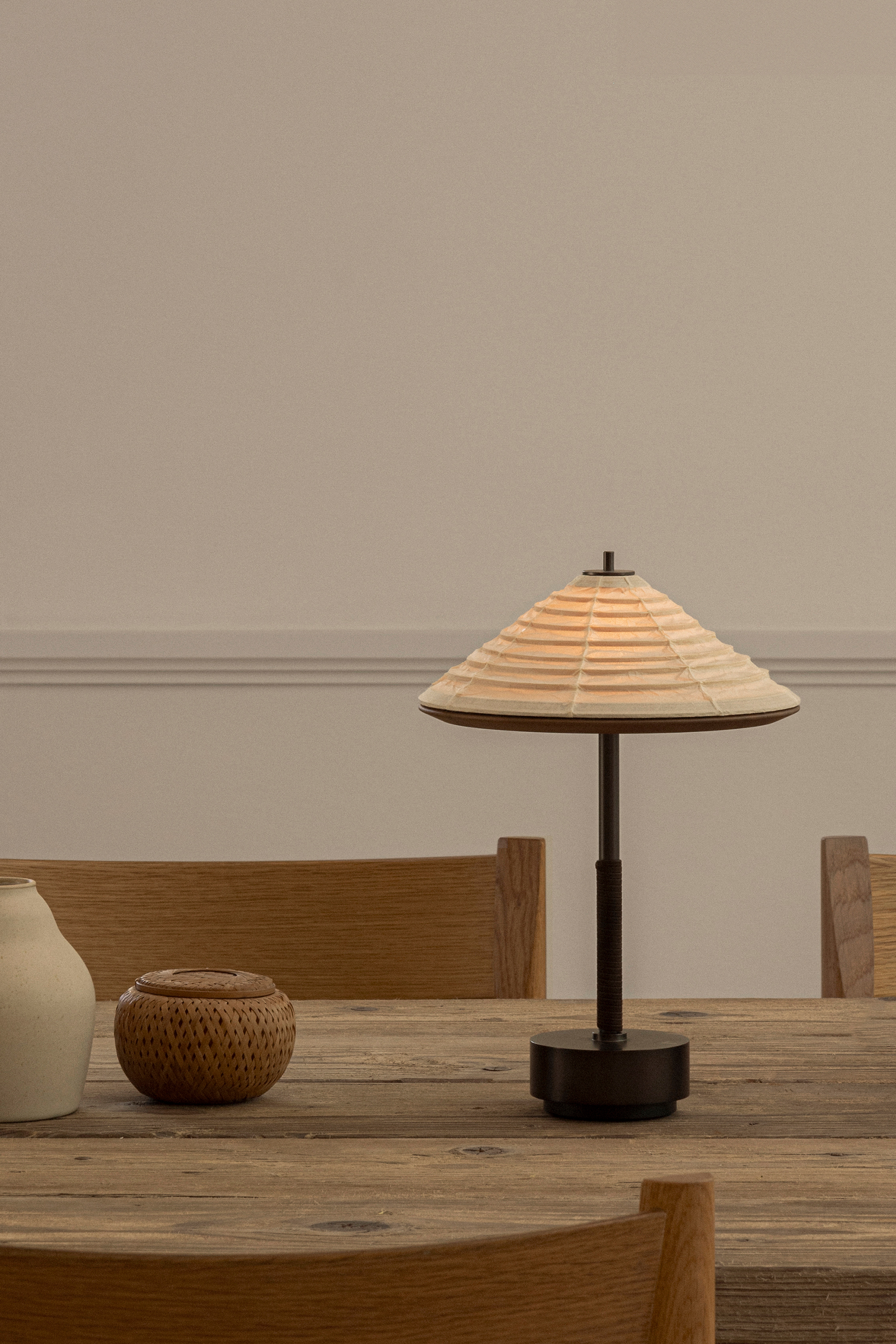
Upstairs, six guest rooms are designed with the quiet simplicity of a hotel – intentionally unpersonalized to let the architecture and atmosphere take center stage. Each features handcrafted shutters inspired by Italian tradition, bespoke ceramic ceiling lamps, and wall colors developed by St. Leo specifically for this house. Matching textiles, designed by Norm Architects for One Mario Sirtori, tie the interiors together, while several of the rooms can also be connected, allowing the floor to adapt seamlessly to families or larger groups.

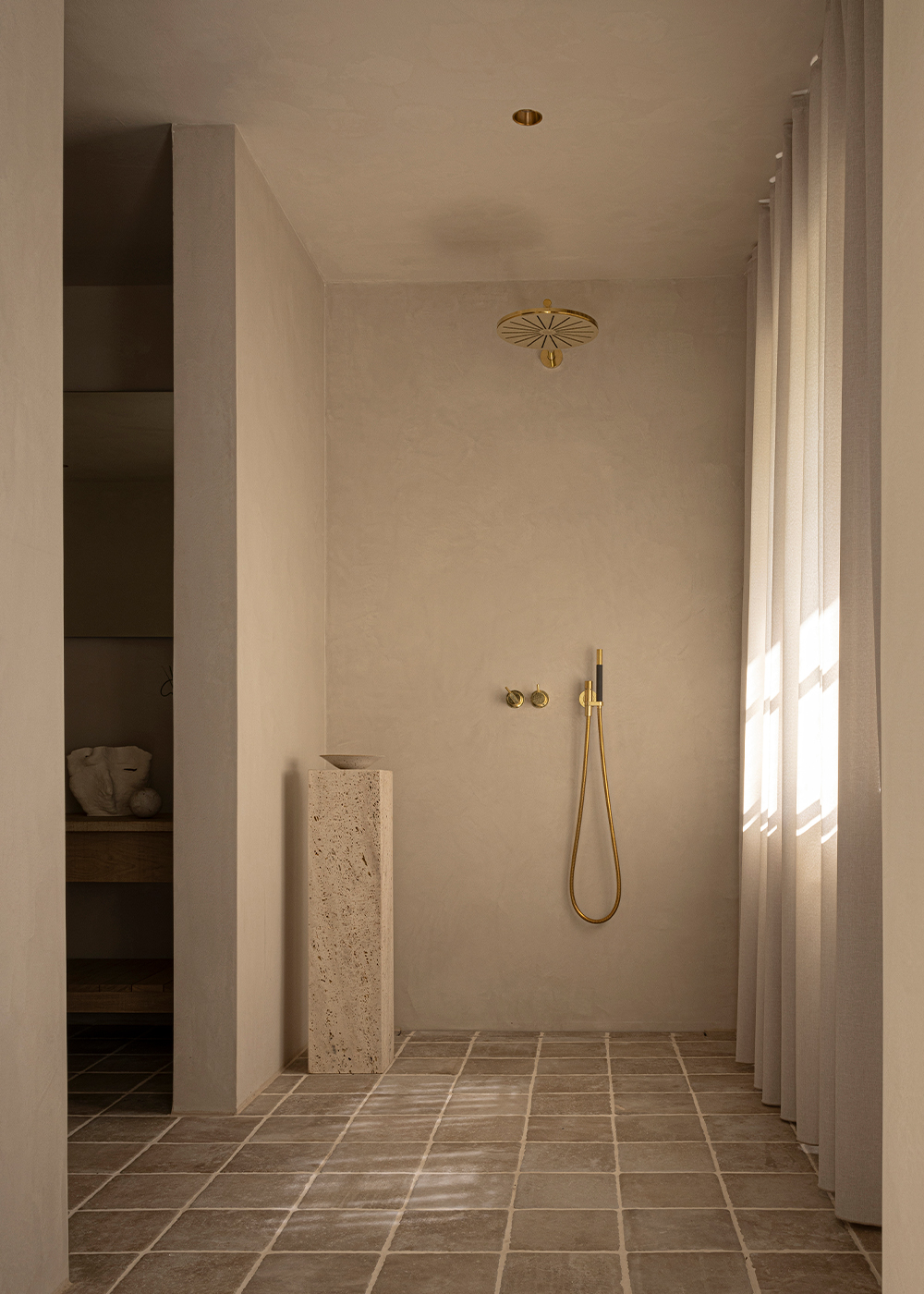
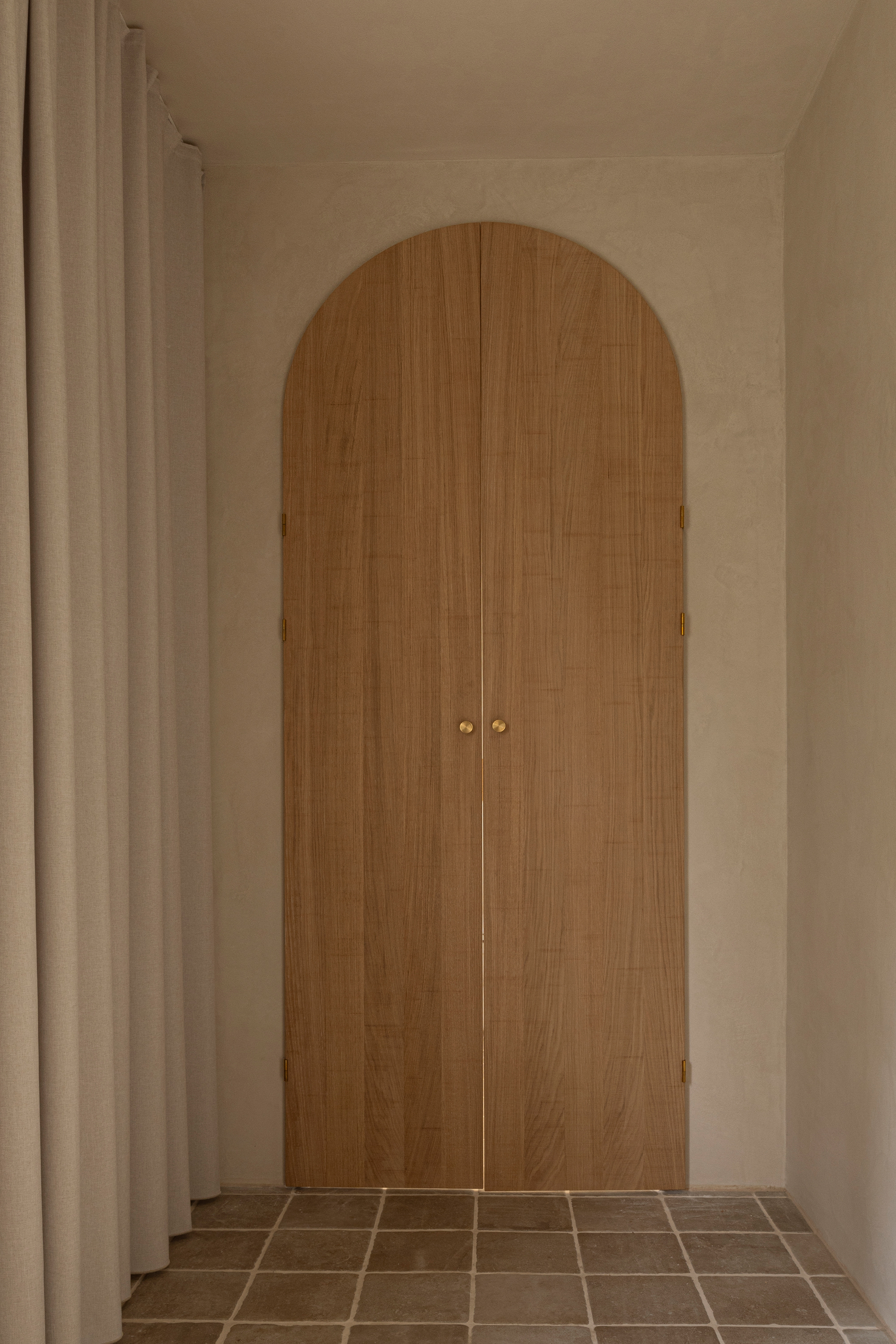
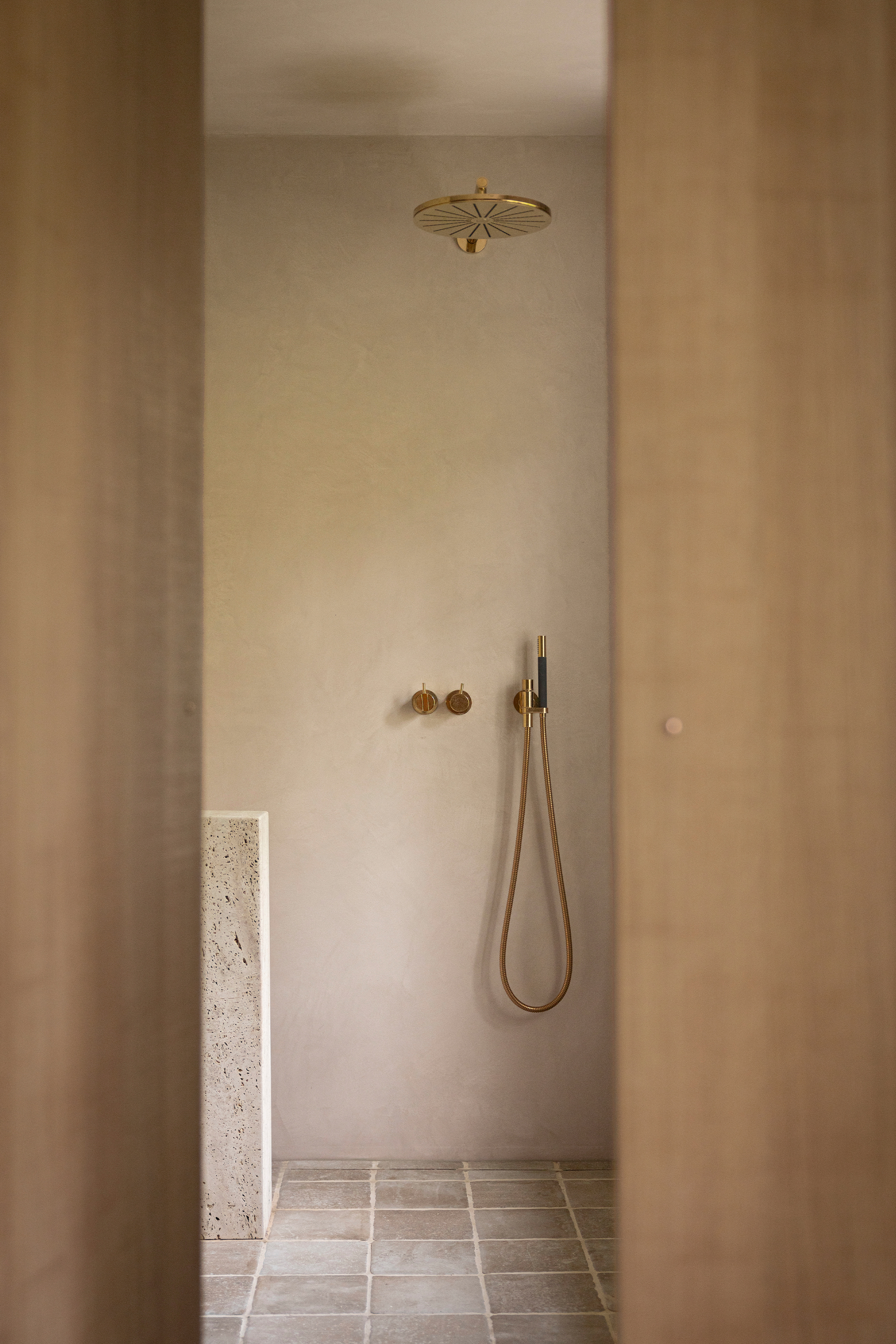
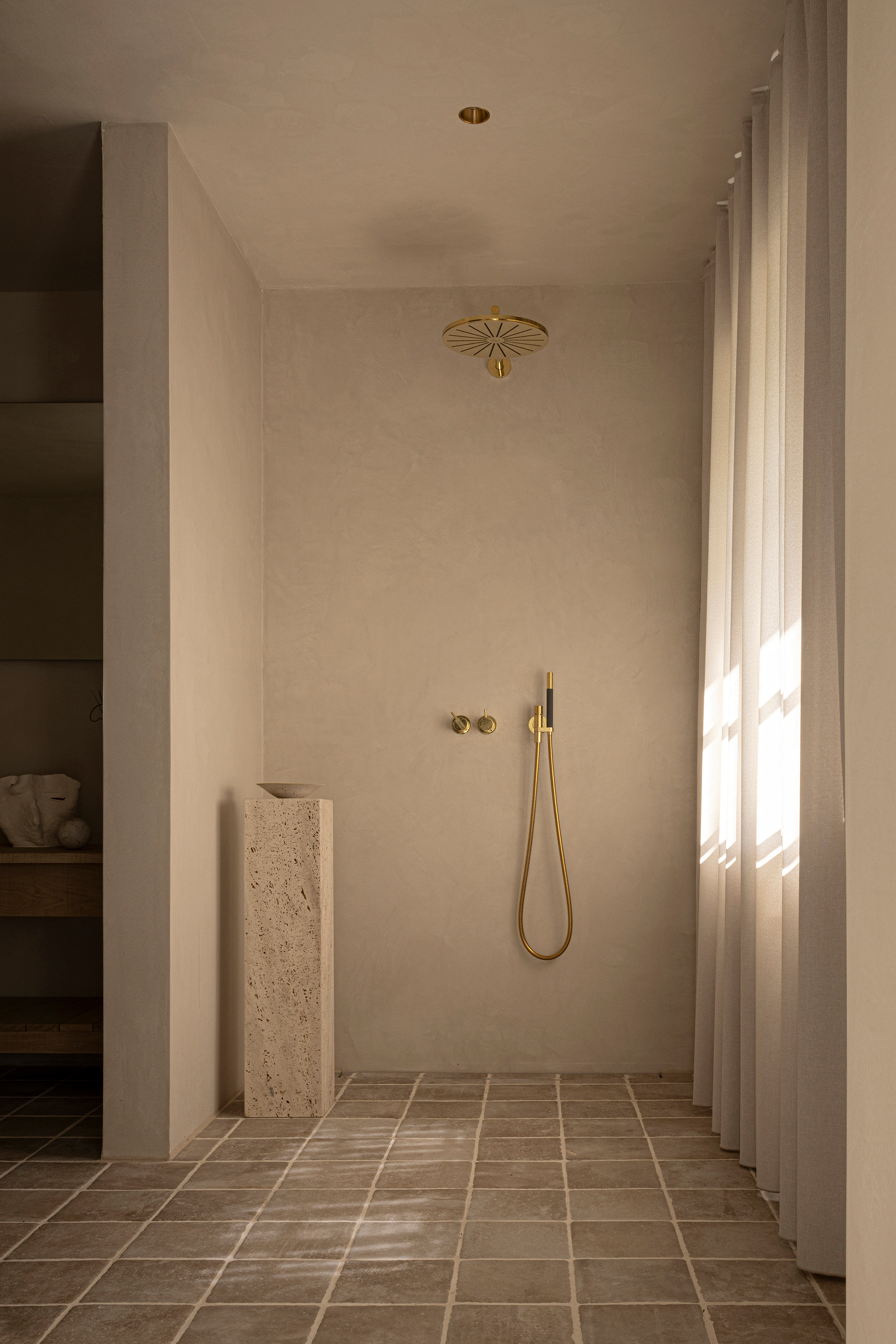
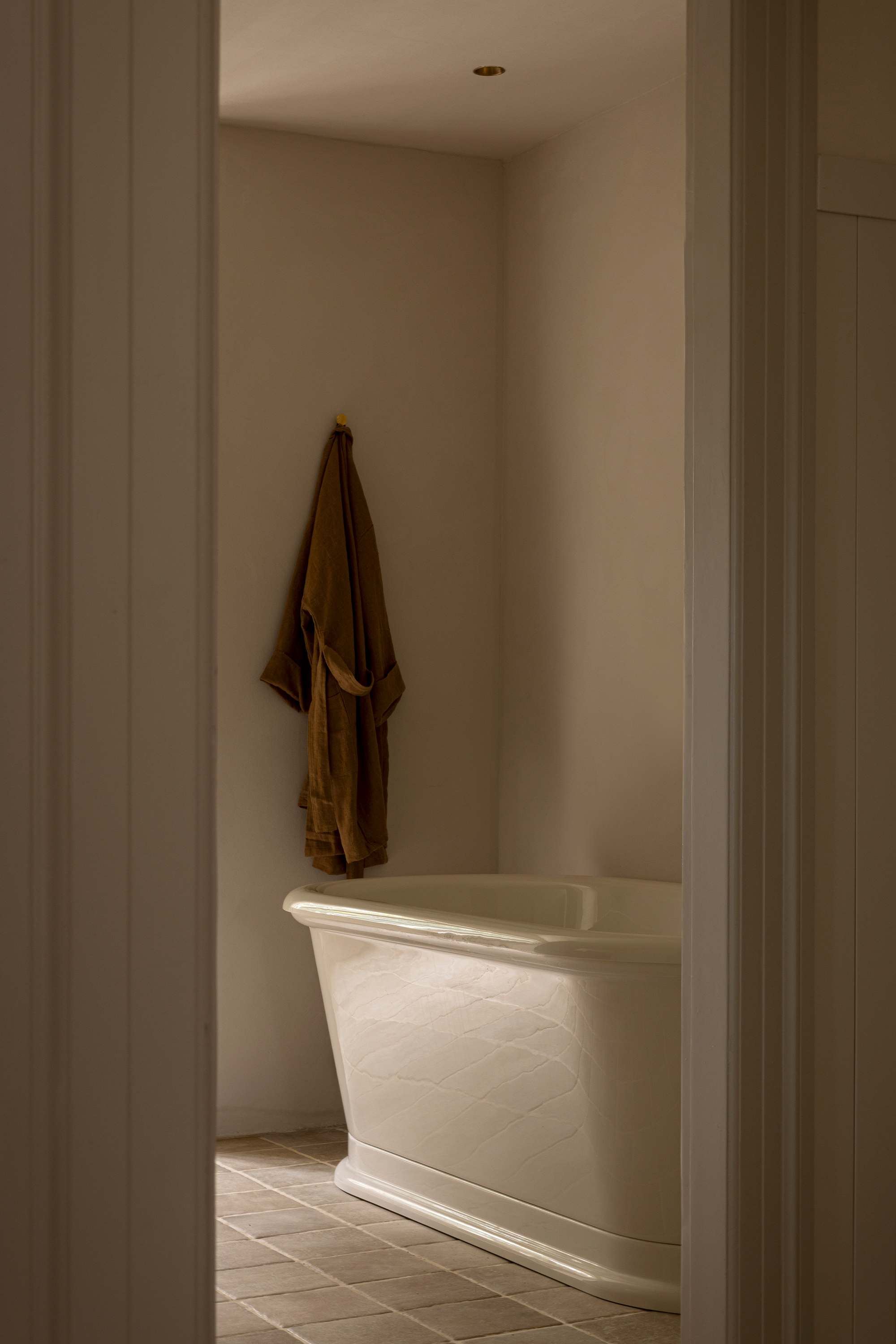
The upstairs master bathroom was completely reconfigured to create a spacious, serene retreat. Arches were introduced as part of the new layout, lending a sense of elegance and flow to the room. Guest house no 16 The arches were introduced both as architectural doorways and as carved niches within the walls for displaying objects.
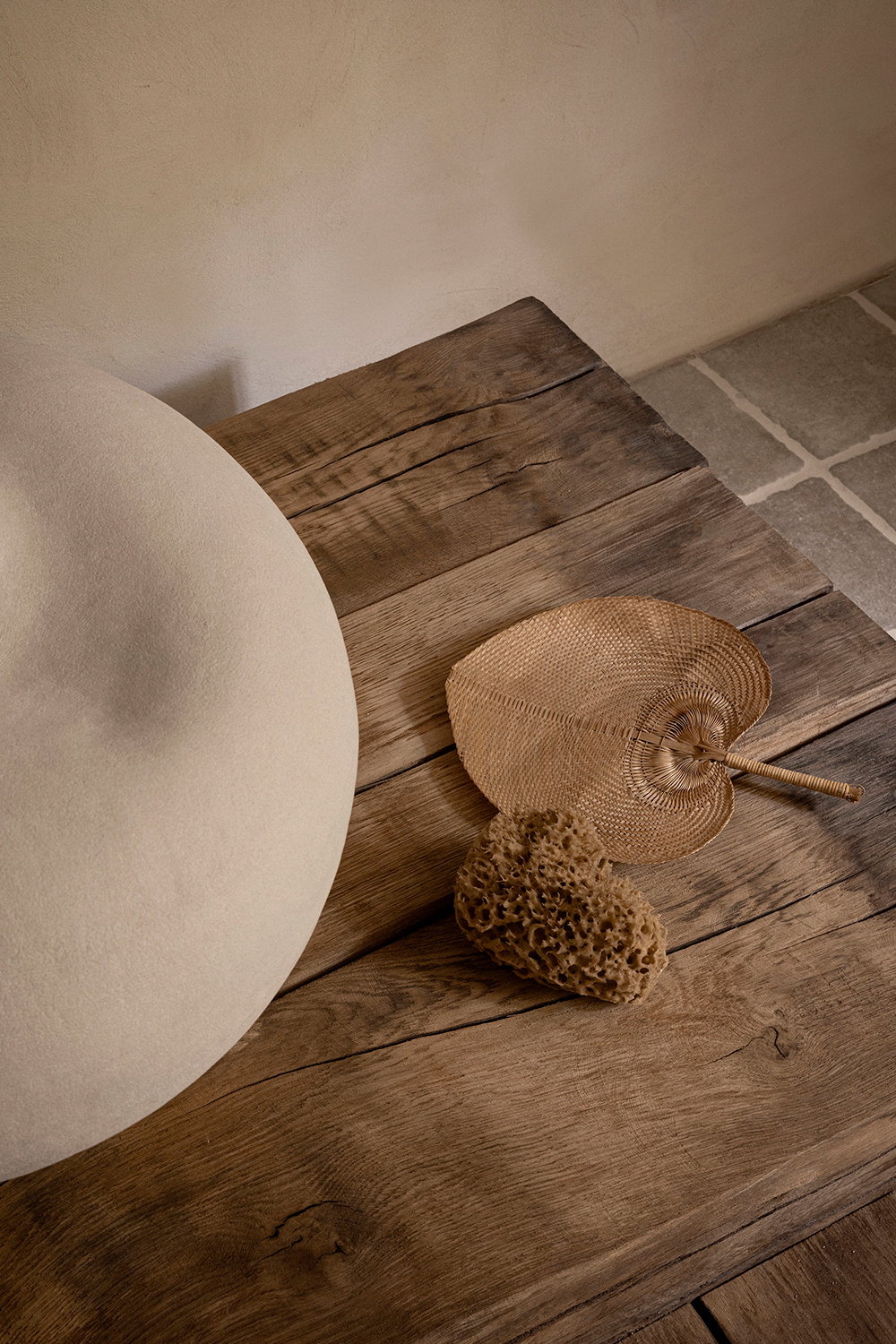
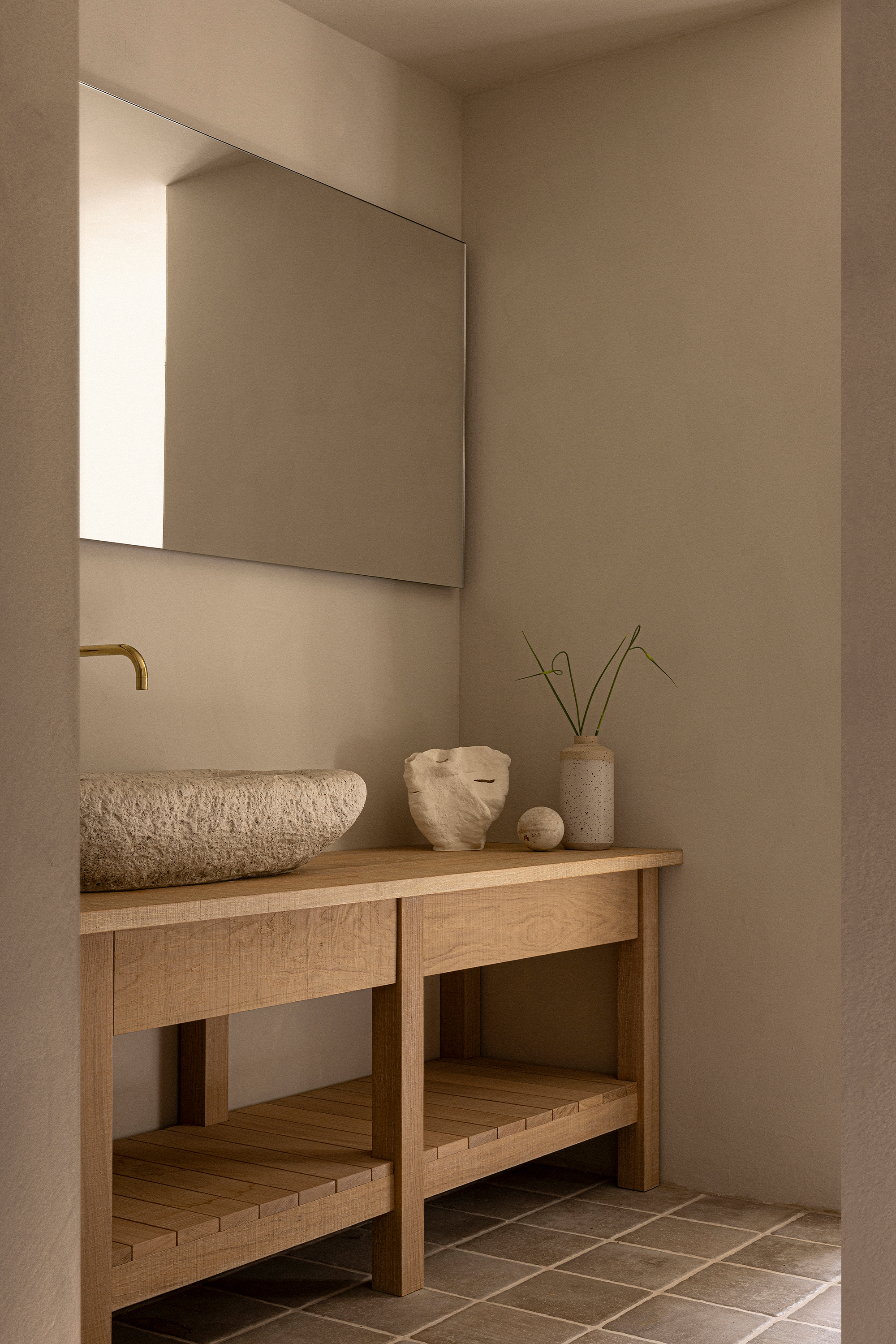
The floor is finished with Kronos Ceramiche Block tiles in Bruge – also used in the spa-like basement – to establish a cohesive material palette. Old French stone troughs have been repurposed as washbasins, paired with handmade furniture in solid, saw-cut oak, adding a rustic tactility that grounds the refined setting in natural authenticity. Their repeated presence creates a sense of rhythm and softness, breaking up the solidity of the space while adding sculptural depth. Slender, minimalist wooden doors mimic the same curved form, reinforcing the dialogue between structure and detail.

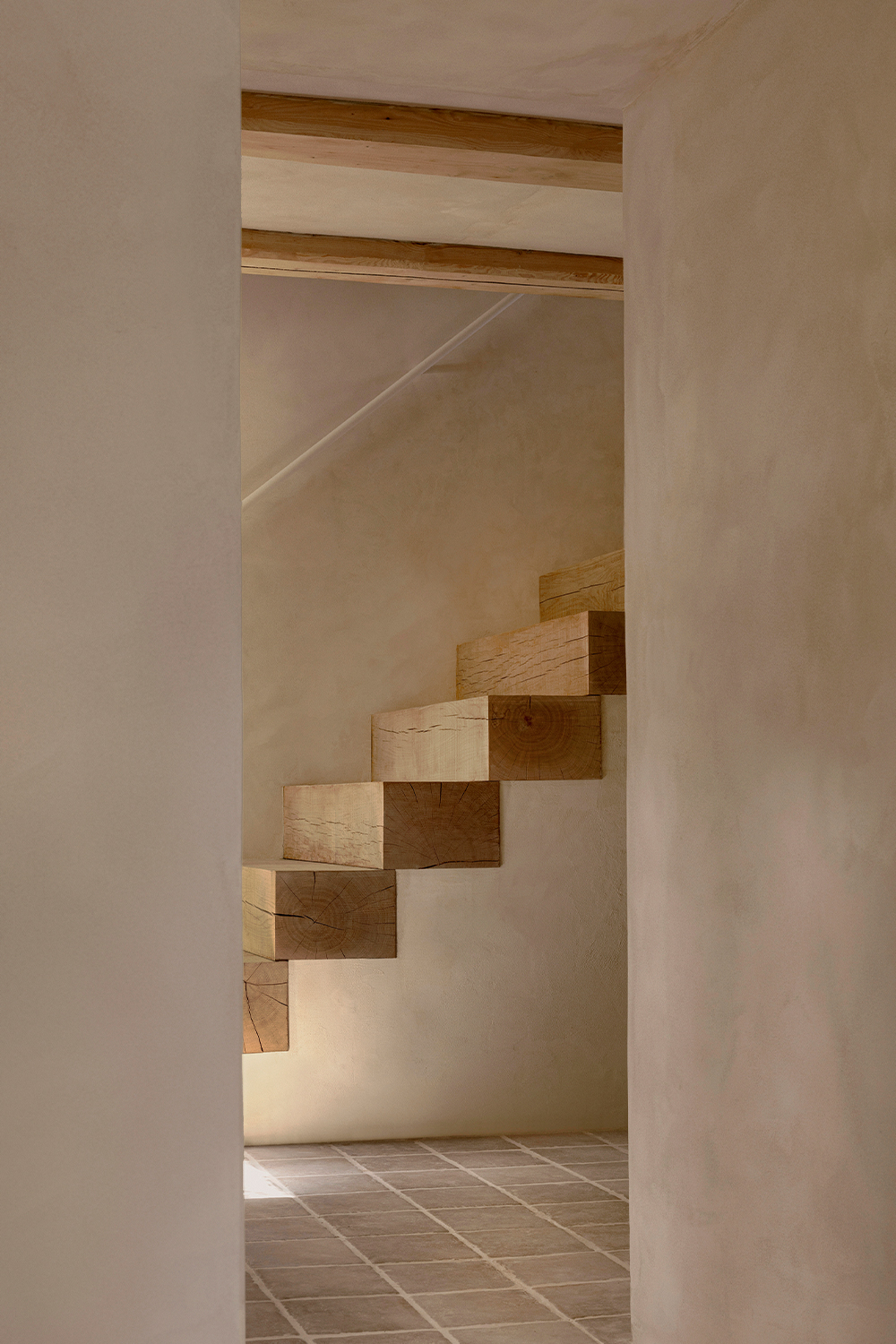
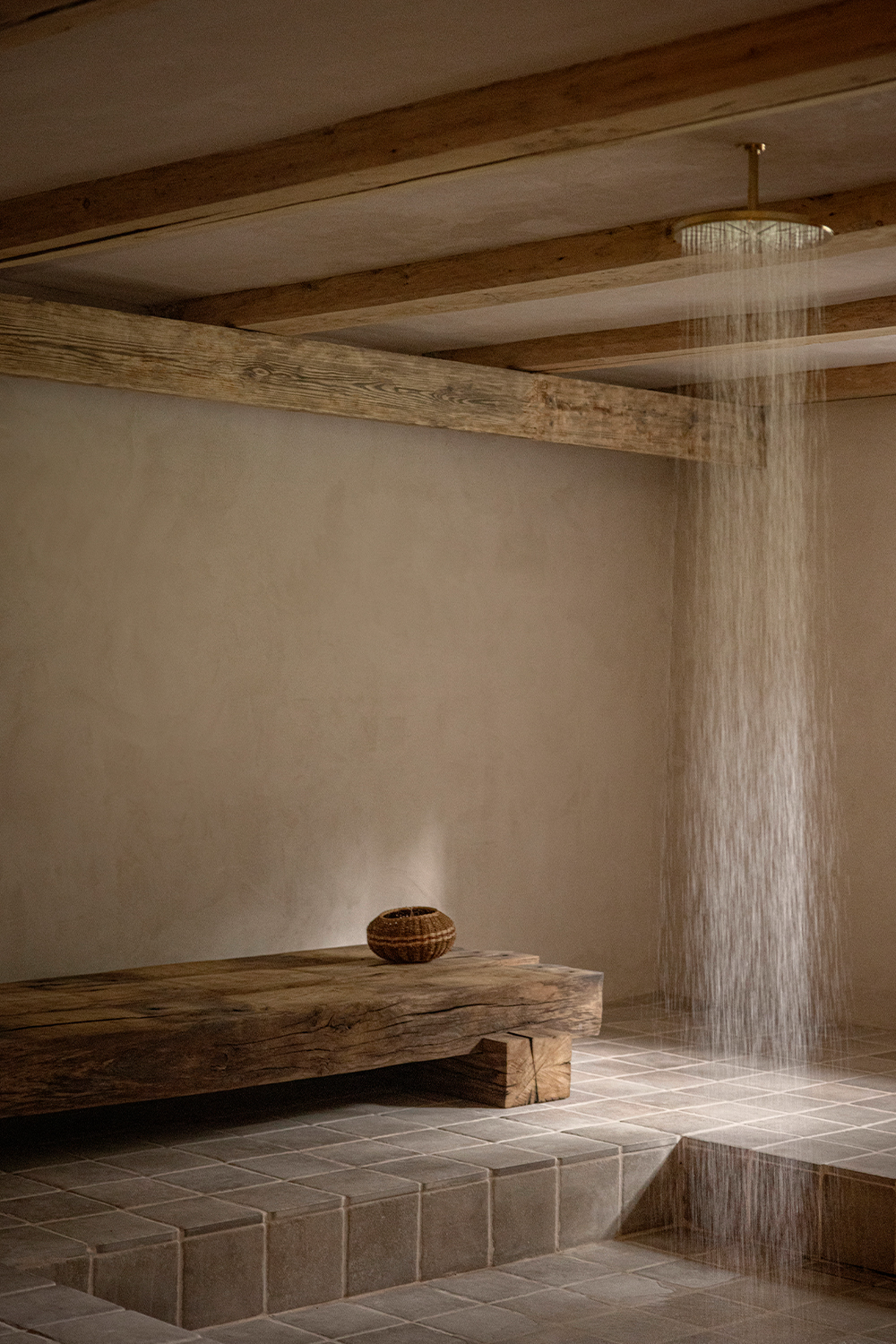
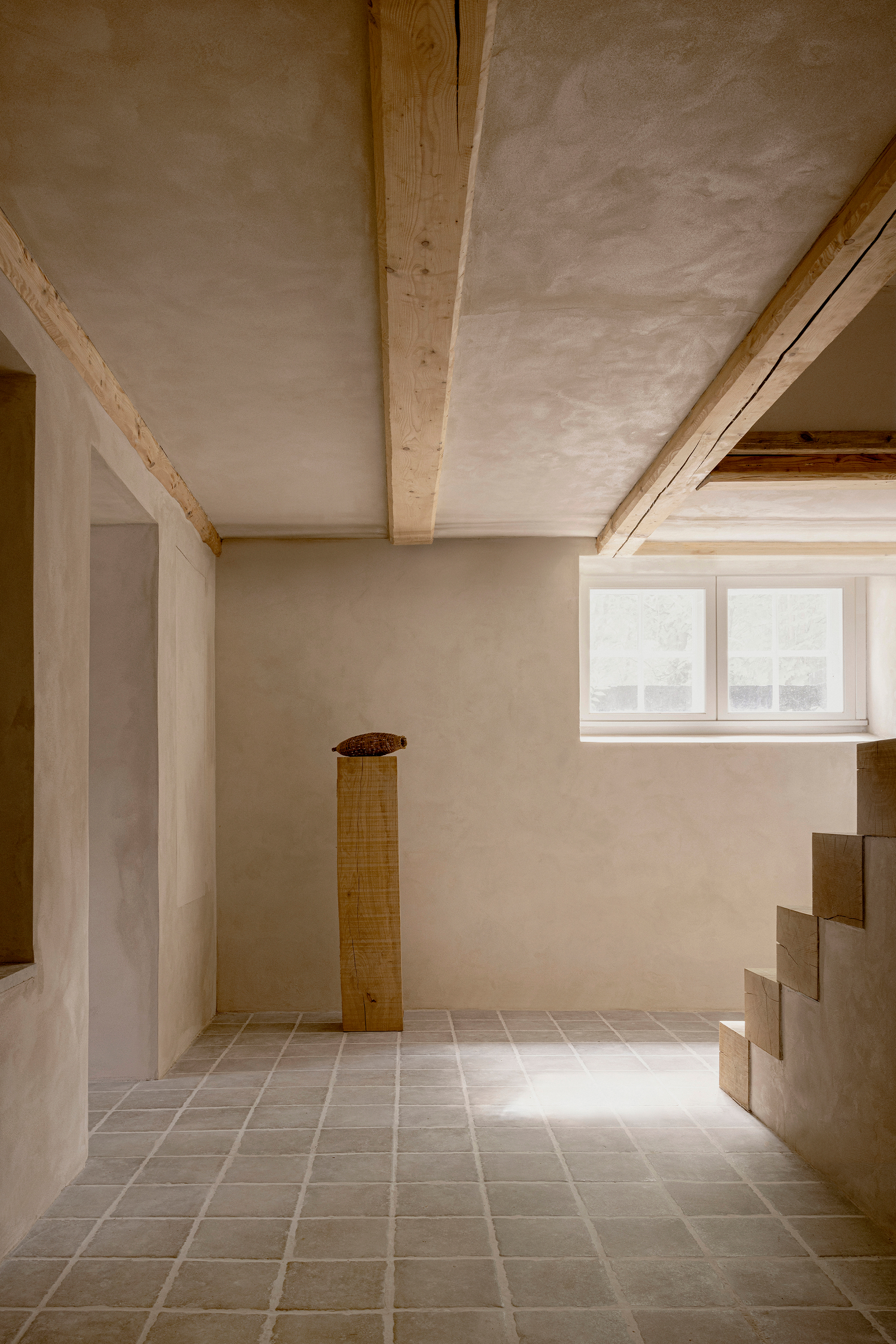
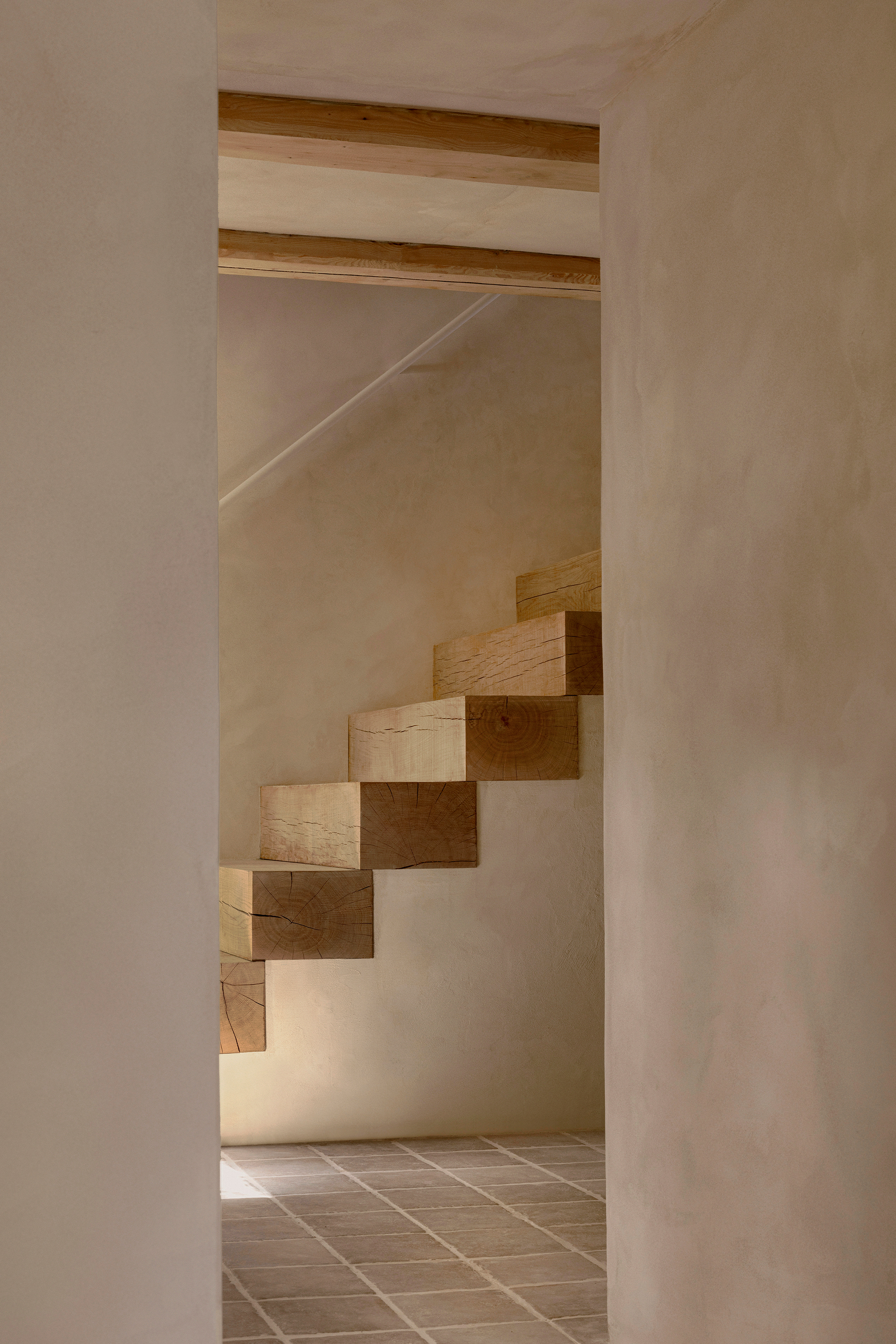
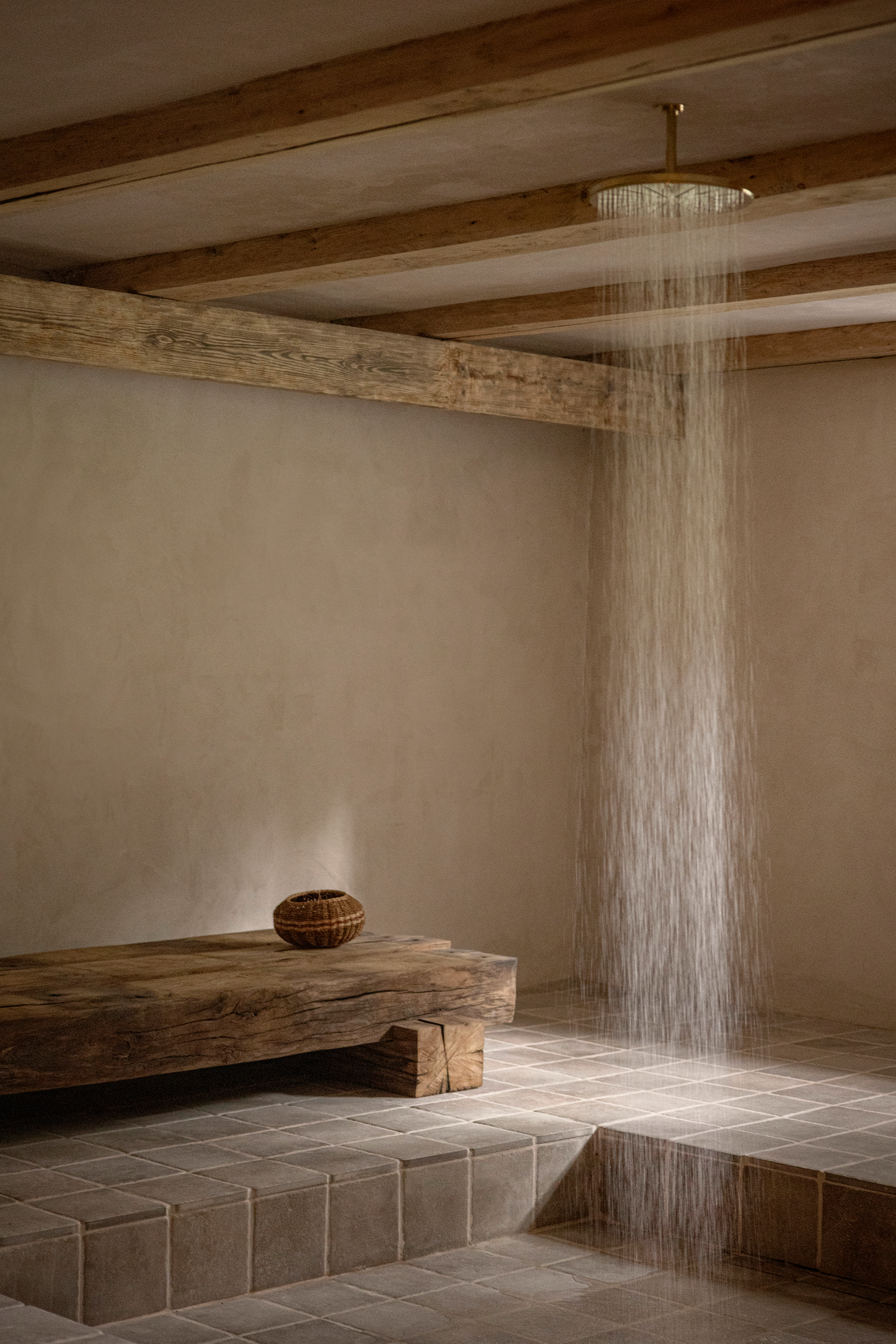
The basement has been transformed into a spa-like retreat, defined by a rustic minimalism that embraces imperfection and time. Accessed by a staircase of solid oak blocks, freshly cut at a local sawmill and milled to exact dimensions, the descent itself becomes an experience. Left untreated, the oak will slowly crack and patinate, allowing the passage of time to leave its quiet mark – a tangible nod to the Japanese design traditions that helped guide the design.

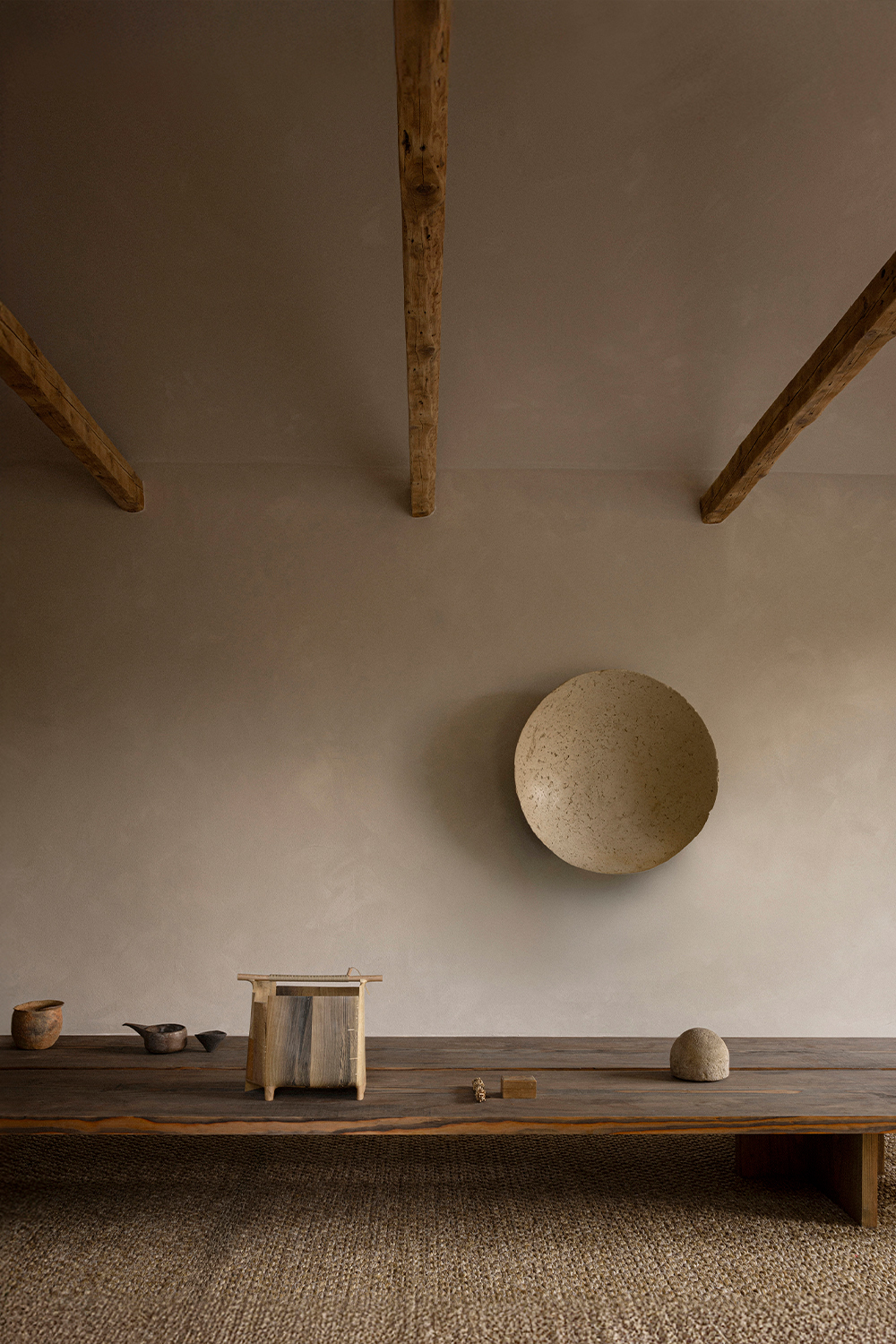
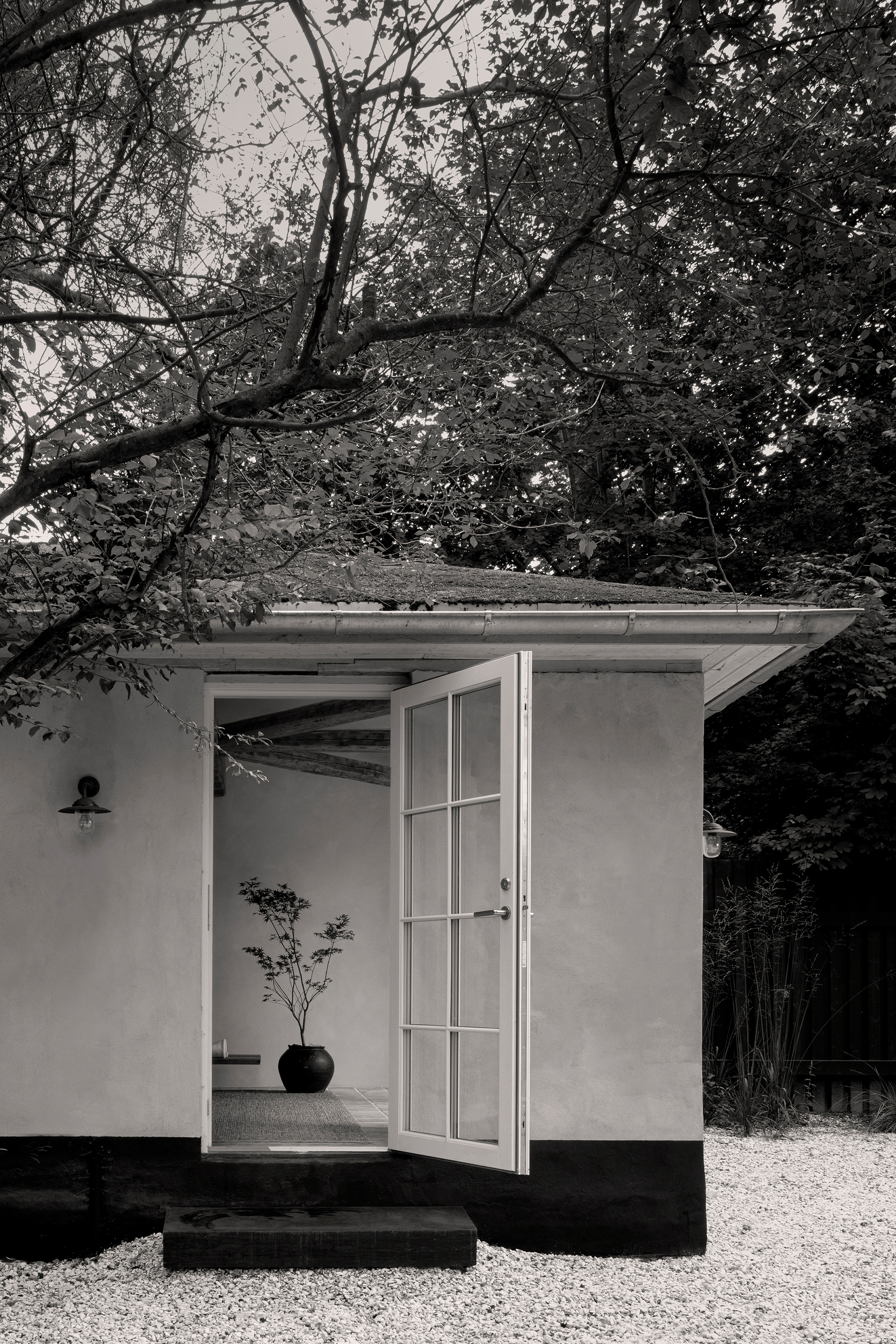
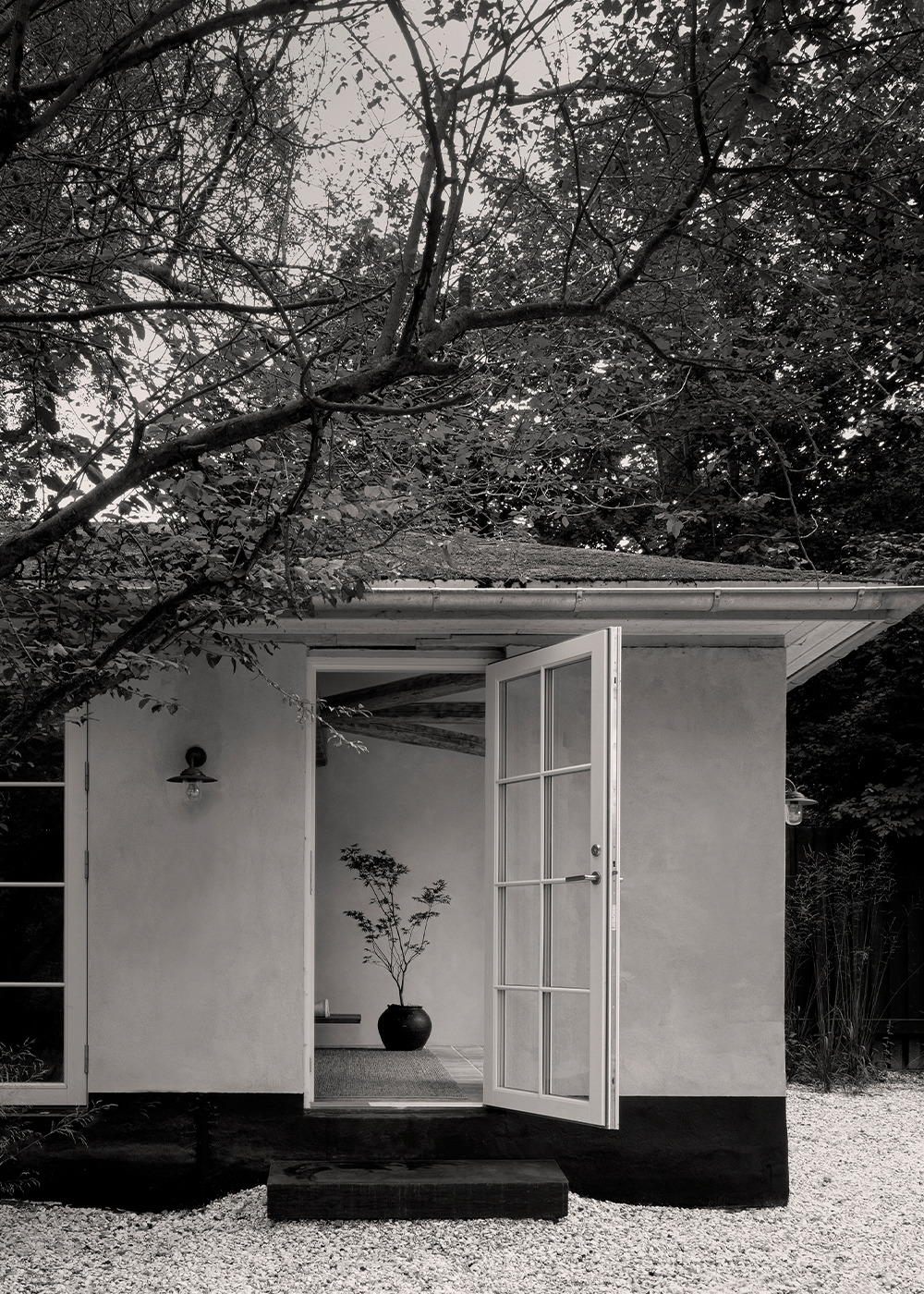
Tucked in the garden, a studio is housed in what was once the estate’s horse stables. Today, the building has been carefully transformed into a versatile space that extends the life of the guest house – serving as a place for photography, exhibitions, talks, and gatherings around a long communal table.

MORE PHOTOS